Last Updated on April 8, 2026 by Vlad
If you’re the type who gets excited reading plaques at historical sites and can spend hours wandering castle grounds, this itinerary is for you. I’ve designed this 2-week journey through Japan to cover the country’s major historical periods – from ancient imperial capitals to samurai strongholds to sobering WWII memorials.
This isn’t your typical Japan itinerary full of Instagram hotspots and trendy cafes. Instead, we’re focusing on places that matter historically, with realistic timing that lets you actually absorb what you’re seeing rather than rushing through for a quick photo.
Who This Itinerary Is For:
- History enthusiasts who want depth over breadth
- Singles or couples (not families with kids)
- First-time visitors who want to see Japan’s most significant historical sites
- People who prefer substance over style
What Makes This Different:
- Covers all major historical periods: Ancient Japan, Heian Period, Samurai/Feudal Era, Edo Period, Meiji Restoration, and WWII
- Realistic timing at each location (you can actually read those information boards)
- Honest about the emotional weight of certain sites
- Written by someone who’s visited these places multiple times, not once for a blog post
📚 Related Posts for History Lovers:
- Japan’s Most Famous Samurai Castles – Deep dive into castle architecture and history
- Exploring Japan’s Most Iconic Samurai Warriors – Learn about the legendary warriors who shaped Japan
- The 10 Most Famous Samurai Battles in History – Discover the conflicts that changed Japan’s course
Key Things Before You Go
Japan Rail Pass: This itinerary assumes you’ll use a 14-day JR Pass, which costs around ¥80,000 (roughly $800 AUD). While the Tokyo-Kyoto-Hiroshima-Tokyo Shinkansen route alone is actually cheaper buying individual tickets, the JR Pass pays will pay for itself when you factor in all the day trips (Nikko, Kamakura), local JR trains throughout Tokyo, Kyoto, and Osaka, plus the flexibility of unlimited travel.
Want to calculate if the JR Pass is worth it for your specific route? Check out our JR Pass Calculator to work out the exact costs.
Activate your JR Pass on Day 1 when you arrive, not before you leave your home country. You’ll purchase an exchange order before your trip, then swap it for the actual pass at the airport.
What the JR Pass covers:
- All JR trains including most Shinkansen (bullet trains)
- JR local trains in cities
- JR Miyajima ferry
- Some JR buses
What it doesn’t cover:
- Tokyo Metro and other private railways (get a Pasmo or Suica card for these)
- Nozomi and Mizuho Shinkansen (the fastest trains – just take Hikari or Sakura instead)
- Most buses and private railways
Best Time to Visit:
- Spring (March-May): Cherry blossom season, but crowded and expensive
- Autumn (September-November): Beautiful foliage, comfortable weather, my personal favourite
- Winter (December-February): Fewer tourists, but can be quite cold
- Summer (June-August): Hot and humid – only recommend if you must travel then
Booking Requirements:
- Book Ghibli Museum tickets at least a month ahead (if you’re into that)
- Reserve seats on popular Shinkansen routes during peak season
- Many temples and shrines don’t require advance booking
- Some castles have limited daily visitors – check ahead
Budget Estimate (excluding flights and JR Pass):
- Accommodation: ¥10,000-20,000 per night (budget to mid-range hotels)
- Food: ¥4,000-6,000 per day
- Attractions: ¥2,000-4,000 per day
- Total: Approximately ¥294,000-480,000 ($2,940-4,800 AUD) for 14 days
What to Pack:
- Comfortable walking shoes (you’ll be doing 15,000+ steps daily)
- Light backpack for day trips
- Respectful clothing for temples (covered shoulders, longer shorts/pants)
- Portable charger
- Cash (many temples and shrines don’t take cards, nor do all the restaurants. Cash is still king in Japan!)
Map of Your 14 Day Route Through Japan
Detailed 14-Day History Itinerary
Days 1-3: Tokyo – Imperial Capital and Modern Metropolis
Day 1: Arrival and Eastern Tokyo
Morning:
- Arrive at Narita or Haneda Airport
- Activate your JR Pass at the airport
- Take JR trains to your hotel (I recommend staying near Tokyo or Shinjuku Station for easy access)
- Drop your bags and grab a quick lunch
Afternoon:

- Visit Senso-ji Temple in Asakusa, Tokyo’s oldest Buddhist temple founded in 628 AD
- The temple is dedicated to Kannon, the goddess of mercy, and has been destroyed and rebuilt multiple times throughout history
- Walk through the iconic Kaminarimon (Thunder Gate) and browse Nakamise Street for traditional snacks
- Visit the Asakusa Culture Tourist Information Center for free rooftop views of the temple
Evening:

- Head to Tokyo Skytree area for dinner
- If you’re not exhausted from travel, walk around Sumida Park
Historical Context: Asakusa was once Tokyo’s entertainment district during the Edo Period and has retained much of its traditional atmosphere. Senso-ji survived WWII bombings and was quickly rebuilt as a symbol of hope.
Tip: Arrive at Senso-ji early morning (around 7-8 AM) to experience it with far fewer crowds. The atmosphere is completely different before the tour buses arrive.
Day 2: Imperial Tokyo
Morning:
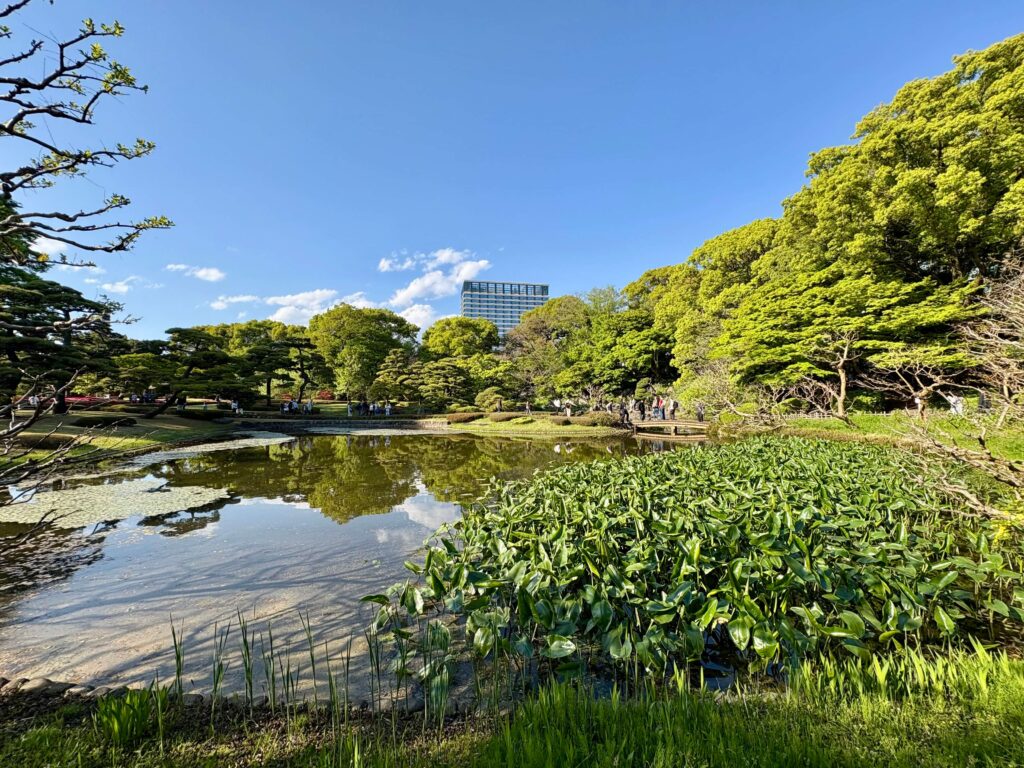
- Visit the Imperial Palace East Gardens (free entry, closed Mondays and Fridays)
- Walk along the palace moats and see the remaining Edo Castle fortifications
- The Fujimi-yagura (Mt. Fuji-view Keep) is one of the few remaining original structures from Edo Castle
Afternoon:
- Head to Yasukuni Shrine, one of Japan’s most controversial historical sites
- The shrine honours Japan’s war dead, including convicted war criminals, making it a politically sensitive location
- The adjacent Yushukan Museum provides a Japanese perspective on the country’s military history
- Entry to shrine is free; museum costs ¥1,000
Evening:
- Visit Meiji Shrine, dedicated to Emperor Meiji and Empress Shoken
- This shrine represents Japan’s transformation during the Meiji Restoration (1868-1912)
- The contrast between Yasukuni and Meiji Shrine on the same day provides interesting perspective on how Japan memorialises different eras

Historical Context: Emperor Meiji oversaw Japan’s rapid modernisation from a feudal society to an industrial power. The Meiji Restoration ended the samurai era and transformed Japan into a nation that could compete with Western powers.
Food Recommendation: Try Ichiran Ramen near Shibuya for a unique solo dining experience, or Narisawa if you want to splash out on a modern kaiseki experience.
Tip: Yasukuni Shrine opens at 6 AM and Meiji Shrine at sunrise. Early morning visits let you experience these significant sites in relative peace.
Day 3: Museums and Modern History
Morning:
- Visit the Edo-Tokyo Museum (currently closed for renovations until 2025 – if open when you visit, absolutely go)
- Alternative: Tokyo National Museum in Ueno Park showcases Japanese art and artifacts from prehistoric to modern times
- The museum has an excellent collection of samurai armour, swords, and Edo Period artifacts
- Entry: ¥1,000
Afternoon:
- Explore Ueno Park and its historical significance
- Visit Toshogu Shrine within the park, dedicated to Tokugawa Ieyasu
- Walk through Ameya-Yokocho, a bustling market street that emerged after WWII
Evening:
- Head to Akihabara for a completely different historical perspective
- This district transformed from a post-war black market to electronics hub to otaku culture centre
- Represents Japan’s post-war economic miracle and modern pop culture evolution
Why It’s Great: This day shows Tokyo’s evolution from Edo Period capital to modern megacity, with stops representing different eras of transformation.
Day 4: Nikko – Tokugawa Splendour

Morning:
- Take JR trains from Tokyo to Nikko (about 2 hours, covered by JR Pass via Utsunomiya)
- Start at Toshogu Shrine, the lavish mausoleum of Tokugawa Ieyasu
- Entry: ¥1,300
- This is one of Japan’s most ornately decorated shrines, with over 5,000 carvings including the famous “see no evil, hear no evil, speak no evil” monkeys
Afternoon:
- Visit Taiyuin Mausoleum, the resting place of Tokugawa Iemitsu (Ieyasu’s grandson)
- Explore Rinnoji Temple, founded in 766 AD and closely connected to the Tokugawa shogunate
- Walk through the Nikko Futarasan Shrine, one of the area’s oldest sacred sites

Evening:
- Return to Tokyo (last convenient trains around 6-7 PM)
- Dinner back in Tokyo
Historical Context: Tokugawa Ieyasu unified Japan after centuries of civil war and established the Tokugawa Shogunate that ruled for over 250 years. Toshogu Shrine was built by his grandson as the ultimate display of Tokugawa power and wealth.
Tip: Nikko gets absolutely packed with tour groups, especially on weekends. Arrive by 9 AM to beat the crowds. The shrine precinct is stunning but can feel overwhelming when crammed with people.
Budget-Friendly: Consider the ¥1,000 combination ticket that covers multiple sites rather than paying separately.
Day 5: Kamakura – Japan’s First Samurai Capital

Morning:
- Take JR Yokosuka Line from Tokyo Station to Kamakura (about 1 hour)
- Visit Tsurugaoka Hachimangu Shrine, the spiritual centre of samurai Kamakura
- This shrine was established by Minamoto no Yoritomo, Japan’s first shogun, in 1191
- Free entry to grounds
Afternoon:
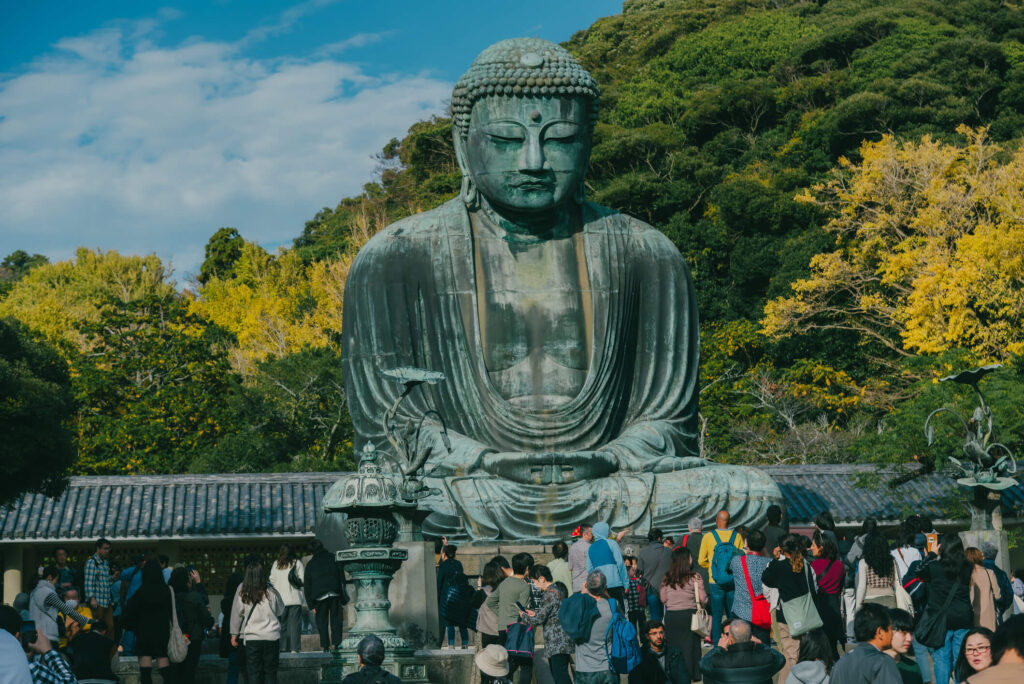
- See the Great Buddha (Daibutsu) at Kotoku-in Temple
- This 13.35-metre bronze statue has stood since 1252 and is one of Japan’s most iconic images
- Entry: ¥300 (plus ¥50 to enter inside the statue)
- Visit Hasedera Temple with its stunning views of Kamakura Bay
- Entry: ¥400