Last Updated on March 11, 2026 by Vlad
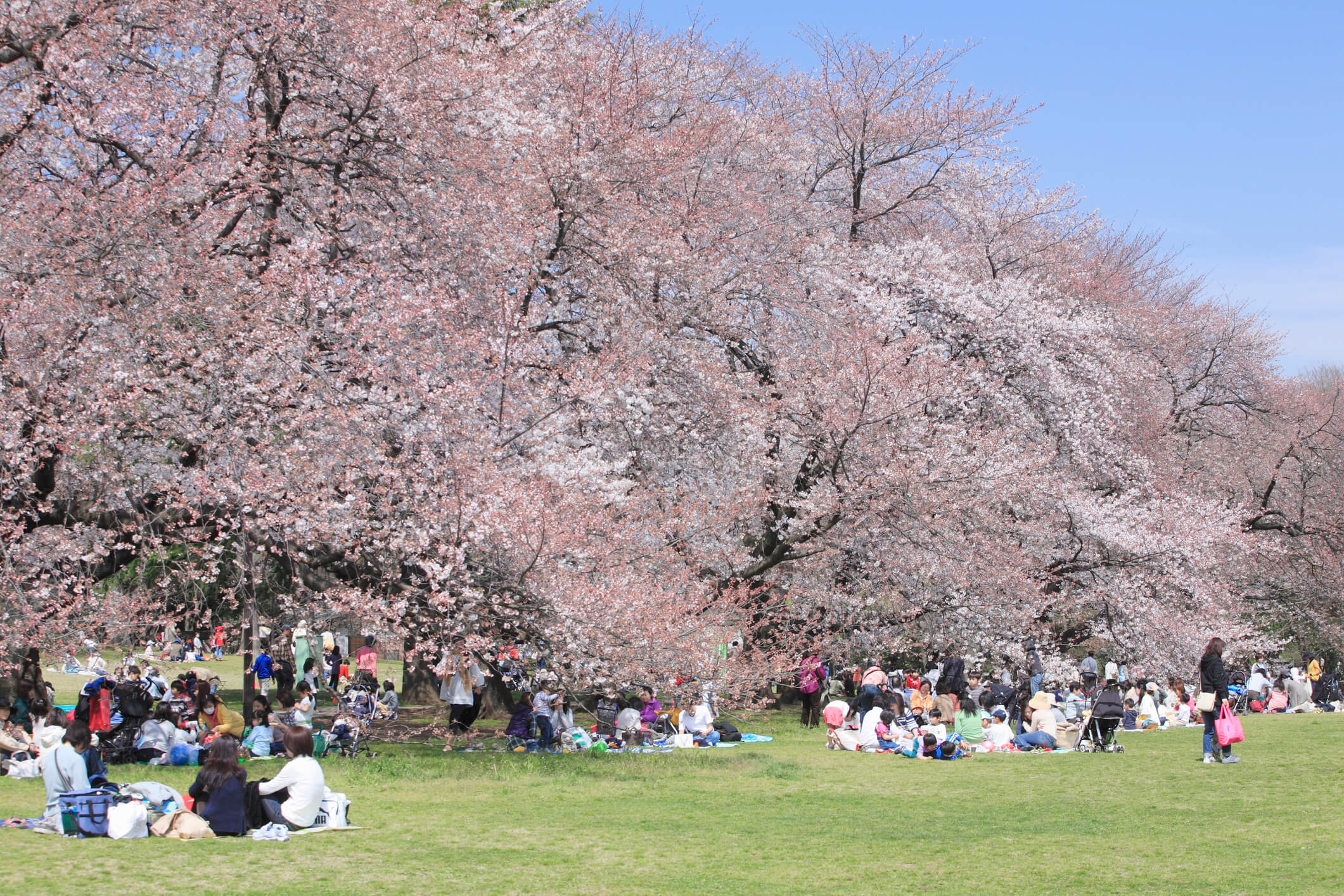
At first glance, hanami looks like glorious, beautiful chaos. Hundreds of people crammed under cherry blossom trees, food and drinks everywhere, kids running around, music playing, petals drifting onto everything. It feels like anything goes.
But spend enough time at a hanami (cherry blossom party) and you’ll realise there’s a whole set of unspoken rules quietly keeping the whole thing civil. Break them and you won’t get yelled at – you’ll get something far more uncomfortable. You’ll get the stare. If you’ve spent any time in Japan, you know exactly the one I mean.
The good news is that none of these rules are complicated. Most of them are just common sense dressed up in Japanese politeness. Here’s everything you need to know to enjoy hanami the right way – and avoid becoming that person.
And it seriously matters. Foreign tourists behaving badly in Japan has become a real topic on Japanese social media and in the news lately – and rightly so. Japan opens its doors incredibly generously, and hanami is one of those experiences that locals share with visitors in the most welcoming way imaginable. The least we can do as guests is show a little bit of respect. Follow this guide and you’ll not only have a better time – you’ll be the kind of visitor Japan deserves.
Before You Even Leave the Hotel
DO:
- Check whether your chosen spot requires a reservation – some popular parks have lottery systems for prime positions during peak season
- Arrive early. Like, really early. If you’re planning to rock up at midday on a sunny Saturday in late March expecting a great spot, I wish you luck.
- Know your group size and bring a tarp big enough for everyone
DON’T:
- Save space for friends who are hours away – holding a massive tarp for a group of ten when only two of you are there is a fast way to earn dirty looks
- Expect to find space at a prime spot after 10am on a weekend during peak bloom
- Set up on walking paths, near rubbish collection points, or anywhere that’s going to inconvenience everyone around you
Setting Up Your Spot
DO:
- Lay your tarp neatly and keep it proportional to your group size
- Weight down the corners with bags or shoes so it doesn’t flap into the next group’s lunch
- Leave a decent gap between your tarp and your neighbours – a little breathing room goes a long way
- Position everyone so they can actually see the trees. That’s the whole point.
- A nod and a smile to your neighbours when you arrive sets a lovely tone for the afternoon
DON’T:
- Put stakes in the ground – tree roots are shallow and easily damaged
- Deliberately set up so you’re blocking someone else’s view
- Blast music without at least gauging whether your neighbours are on board
- Set your tarp up so it’s touching the one next to you – personal space matters even outdoors
During the Party
This is where hanami gets fun – and where first-timers are most likely to accidentally put their foot in it.
DO:
- Pour drinks for the people around you and let them pour for you – this is a lovely Japanese custom that makes everyone feel included
- Offer food to neighbours if you’ve got more than enough. Don’t be surprised if they do the same.
- Keep noise at a level where the group next to you can still have a conversation
- Supervise kids and make sure they’re not trampling other people’s picnics
- Take as many photos as you like – just ask before photographing strangers
DON’T:
- Get obnoxiously drunk. Tipsy and happy? Absolutely. Screaming at full volume at 11am? Read the room.
- Block walkways with coolers, eskies, or equipment
- Complain about how other groups are running their party. Live and let live.
- Smoke in non-smoking areas – most parks are entirely non-smoking during sakura season
One thing that genuinely surprised me about hanami was the food. I knew people brought picnics, but I had no idea how seriously some people take it. I once spent a suspicious amount of time “looking for a friend” near a group who had set up what I can only describe as a full catering operation – elaborate bento boxes, proper glassware, actual champagne. Meanwhile I was sitting there with my onigiri and canned beer feeling very underdressed for the occasion. No rules broken on my part – just some quiet jealousy and a mental note for next time.
The Trees: Please Be Gentle
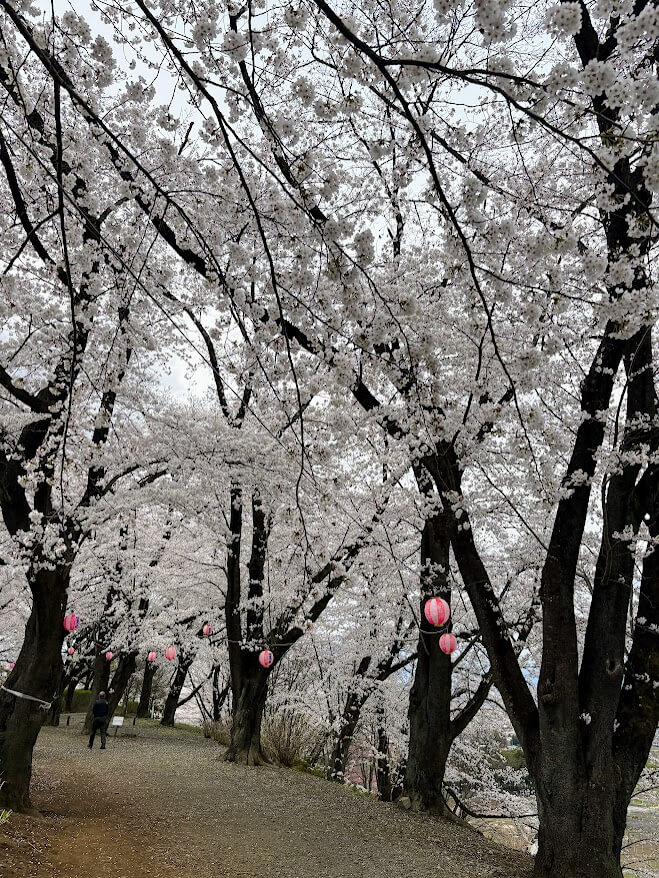
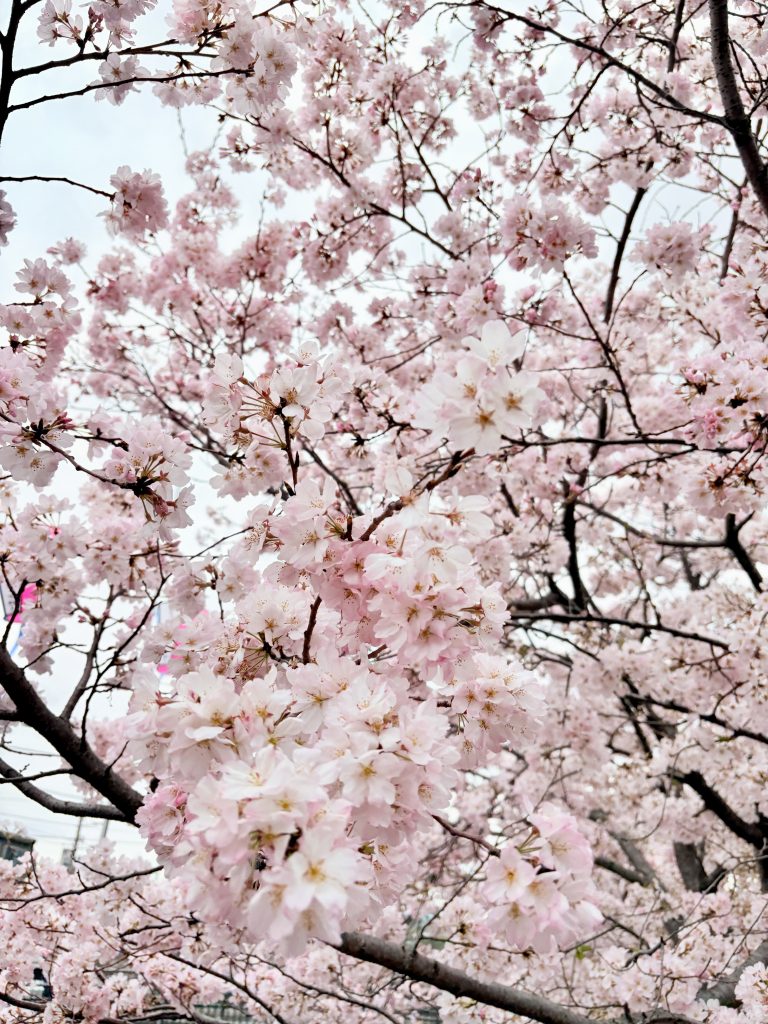
This section exists because some people apparently need to be told.
DO:
- Admire the blossoms from a respectful distance
- Photograph them as much as you want
- Catch falling petals – this is genuinely delightful and completely fine
- Thank the trees (silently is fine, though no one will judge you if you do it out loud)
DON’T:
- Pick blossoms from branches. NO, no, no!
- Pull branches down to get a better photo angle
- Climb trees. This happens more than you’d think and it’s embarrassing for everyone involved.
- Carve or write on the bark
- Shake the branches to create your own “sakura snow” for photos or videos – I’ve seen this done and it’s genuinely awful. The petals fall when they’re ready. Let the tree do its thing.
The trees are the whole reason you’re there. Treat them accordingly.
Food and Drink
DO:
- Bring more than enough – generous picnics are the norm at hanami, not the exception
- Try traditional hanami foods if you can: onigiri, karaage, tamagoyaki, sakura mochi
- Pour sake or beer for others before topping up your own glass
- Dispose of everything properly – more on that below
DON’T:
- Bring anything with an aggressively strong smell that’s going to waft into your neighbours’ space
- Leave empty bottles and cans scattered around
- Help yourself to someone else’s food without being invited
Need help building your konbini picnic spread? Check out my Convenience Store Hanami guide for exactly what to grab and how much to spend.
Cleaning Up: The Most Important Section
No rubbish bins. That’s the thing that catches most visitors off guard. Japanese parks – even during peak hanami when thousands of people descend on them – have no public bins. You take everything home with you. Every wrapper, every can, every napkin, every half-eaten onigiri.
DO:
- Bring enough rubbish bags – at least one more than you think you’ll need
- Separate burnable from non-burnable rubbish if you can
- Do three sweeps of your area before you leave – things blow around
- Take your tarp home too, even if it’s a bit damp
- Wave goodbye to your neighbours on the way out – it’s a nice touch after sharing a few hours together
DON’T:
- Leave anything behind and assume park staff will handle it
- Abandon a half-full drink bottle because you can’t be bothered carrying it
- Leave your tarp on the grass “for the next person”
The reason Japanese parks stay so clean during hanami – despite the enormous crowds – is because everyone does their bit. I once watched a group of uni students finish packing up their own picnic, and then quietly walk around the surrounding area picking up any small bits of rubbish that others had accidentally missed. No fuss, no announcement, just doing it. It was one of those small moments that sticks with you. Be that group.
Bathroom Situation
DO:
- Find the toilets before you need them urgently – scout them out when you arrive
- Wait patiently in line (yes, it will be long)
- Carry hand sanitiser
- Know where the nearest convenience store is as a backup option
DON’T:
- Pee in the park. Obvious, but apparently not obvious enough for everyone.
- Get frustrated about queues – they’re long for literally everyone
If You’re Invited to Someone Else’s Hanami
Being invited to a Japanese person’s hanami is genuinely special – treat it that way.
DO:
- Bring something – food, drinks, or both. Never arrive empty-handed.
- Ask in advance what’s needed so you’re not doubling up
- Offer to help set up and clean up without being asked
- Thank your host properly, both on the day and afterwards
- Return the invitation one day
DON’T:
- Show up with nothing and dive straight into the food
- Demolish the best snacks before everyone’s settled in
- Invite extra people without clearing it first
- Outstay your welcome – read the energy and know when to wrap it up
The Golden Rule
Hanami is fundamentally about sharing – sharing space, sharing food, sharing a moment of beauty that only lasts a couple of weeks a year. The whole atmosphere only works because everyone quietly agrees to be decent to each other.
Be the neighbour you’d want next to you. Watch what locals do and follow their lead. And if you accidentally put a foot wrong – you will, at least once – a genuine apology and a quick correction fixes almost everything.
The blossoms don’t last long. Make the most of every minute under them.
Want to understand why hanami matters so deeply to Japanese culture? Read Why Sakura Matters. Or if you’re still figuring out what hanami actually is, start with What is a Hanami Party?
👉 Check my Yozakura Guide if you want to do hanami at night.