
Last Updated on November 27, 2025 by Vlad
“When should I go to Japan?” and “When is the best time to visit Japan” are hands down the questions I get asked the most by mates planning their first trip. And honestly? There’s no perfect answer – because it completely depends on what you want to see, what you can handle weather-wise, and when you can actually get time off work.
But here’s the thing: every season in Japan is brilliant in its own way. I’ve been in all four seasons multiple times, and they’ve each got their pros and cons. So instead of giving you the typical “spring is best!” response, I’m going to break down exactly what to expect each season, when Aussies should actually book, and the honest truth about traveling to Japan from Australia.
Note for Northern Hemisphere Visitors: This guide is written from an Australian perspective (our seasons are opposite to yours), but I’ve included specific sections throughout for visitors from the US, UK, Canada, and Europe. Look for the callout boxes!
Quick Answer (If You’re in a Rush)
If you’re wondering what’s the best time to visit Japan, here’s the short version:
Best overall: Autumn (September-November) – great weather, fewer crowds than spring, stunning leaves
Best for first-timers: Spring (late March-April) OR Autumn (October-November)
Best for budget: Late January to early March (cheap flights, fewer tourists, still pleasant)
Best for families: Outside Japanese school holidays (avoid late March, late July-August, late December)
Worst time: Late July to August (brutally hot, humid, and crowded with Japanese school holidays)
Best month to visit Japan: October – perfect weather, autumn colours, manageable crowds, comfortable temperatures
For Aussies specifically: Align with our school holidays if you’ve got kids, but expect premium prices and crowds
For a complete plan for your first visit, check out my ultimate First Time in Tokyo Guide
Understanding Japan’s Four Seasons
Japan actually has proper seasons – unlike Melbourne where you get all four in one day. When people ask me about the best time to travel to Japan, I always start by explaining what each season actually feels like. Here’s what each season looks like and what you need to know.
Spring (March-May): Cherry Blossoms & Crowds
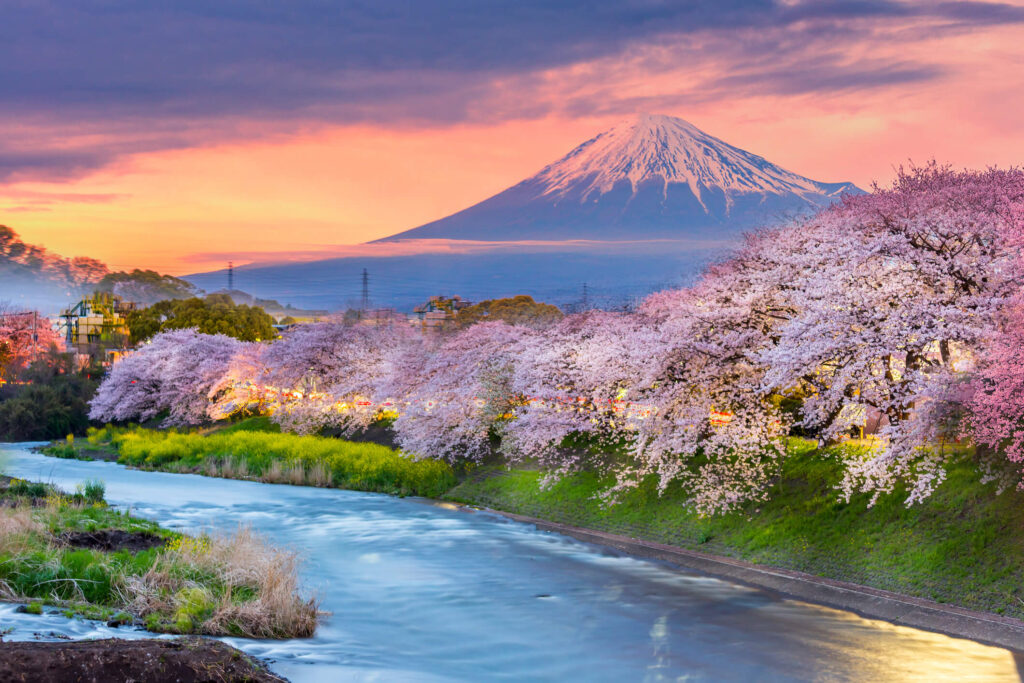

The Good:
- Cherry blossoms (late March to early April in Tokyo/Kyoto)
- Comfortable temperatures (10-20°C)
- Everything feels fresh and beautiful
- Outdoor activities are perfect
- Gardens and parks look incredible
The Bad:
- Absolutely packed with tourists (peak season)
- Accommodation prices skyrocket during cherry blossom season
- Golden Week (late April/early May) sees domestic crowds explode
- Can be rainy, especially May
- Book everything months in advance or you’re stuffed
The Reality Check: Cherry blossom season is magical, but it’s also chaos. I’ve been stuck in Senso-ji Temple with literally thousands of people, almost unable to move. If you can handle crowds and don’t mind paying premium prices, go for it. But if you want a more relaxed trip, consider late May when the blossoms are gone but the weather’s still lovely.
What to Pack:
- Layers (mornings are cold, afternoons warm)
- Light jacket
- Umbrella (May especially)
- Comfortable walking shoes
- Antihistamines if you have hay fever
Aussie School Holiday Overlap: Easter sometimes falls in late March/early April, which can overlap with cherry blossoms. Expect higher flight prices from Australia during this time.
Flight Prices from Australia: Expensive during cherry blossom peak. Expect to pay $1,500-2500+ return from Melbourne/Sydney. Late May is cheaper.
For Northern Hemisphere Visitors: Cherry blossom season aligns with your spring break and Easter holidays too. Flights from the US/Canada will be $800-1,200 USD, from the UK £600-900. Book 4-6 months ahead. Your summer holidays (June-August) align with Japan’s hot, humid summer – consider if you can handle the heat!
Summer (June-August): Hot, Humid, and Festival Season
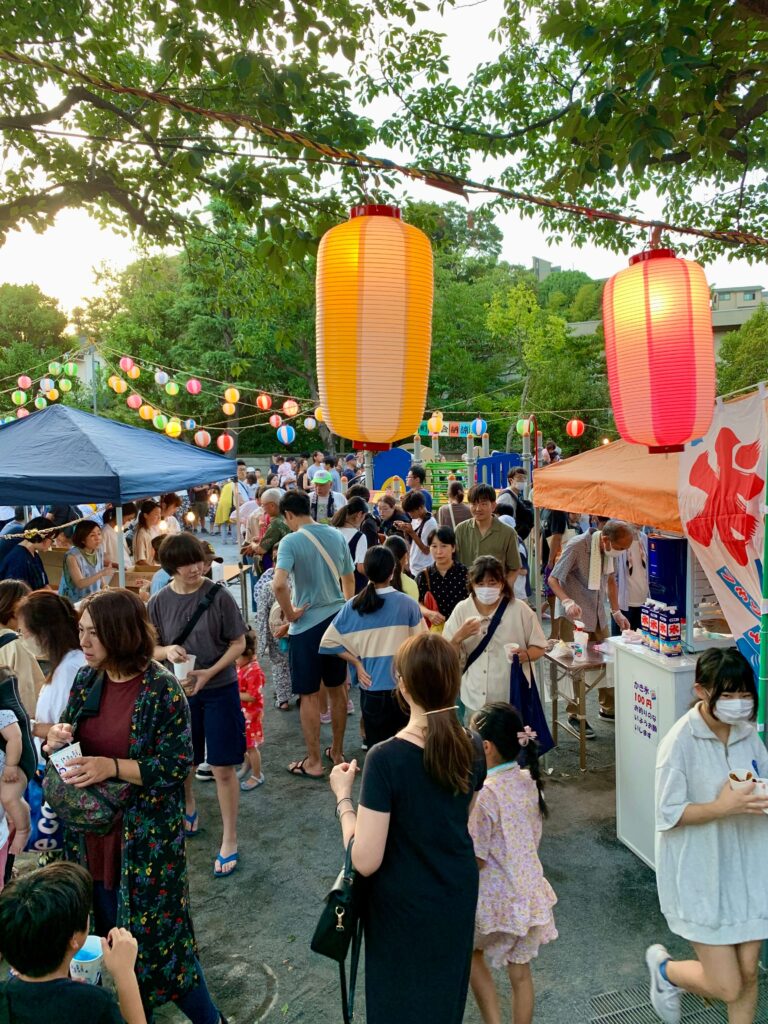
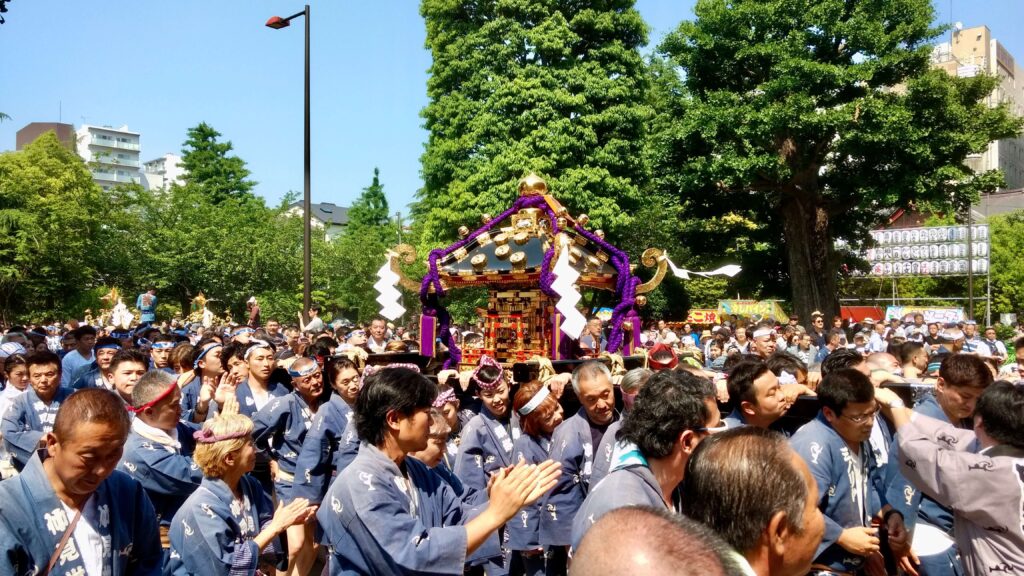
The Good:
- Vibrant summer festivals (matsuri)
- Longer daylight hours
- Beach season in Okinawa and coastal areas
- Perfect for hiking in the mountains (Hokkaido, Japanese Alps)
- Fireworks displays everywhere
The Bad:
- June is rainy season (tsuyu) – expect rain most days
- July-August is brutally hot and humid (30-35°C with 70-80% humidity)
- Japanese school holidays in late July-August mean domestic crowds
- Air conditioning everywhere, but stepping outside feels like a sauna
- Typhoon season starts (more on this below)
The Honest Truth: I love Japan, but summer in Tokyo is really rough. The humidity is oppressive. You’ll sweat through your shirt walking 3 minutes to the train station. If you’re from Queensland you might cope, but for most Aussies, it’s a shock. That said, Norther Regions of Japan in summer are absolutely perfect – mild temps, almost no humidity, stunning landscapes.
Personal Experience: On my first visit to Tokyo in early August. By day three, I was out of clean t-shirts, and had given up on sightseeing for a day and a half, so I could buy more cloths and wash the used ones! It wasn’t the Japan trip I’d planned. If you must visit in summer, head north to Hokkaido or up into the mountains.
What to Pack:
- Light, breathable clothing (cotton or moisture-wicking)
- Hat and sunscreen (UV is strong)
- Portable fan or cooling towel (buy these in Japan)
- Extra deodorant (trust me)
- Umbrella (June especially)
Aussie School Holiday Overlap: Our winter school holidays (late June-early July) align with Japan’s rainy season. Spring break (late September-early October) is actually better timing for Japan travel.
Flight Prices from Australia: Moderate to high during Australian school holidays. Around $1,000-1,400 return. Cheaper in June (rainy season) if you can handle the rain.
For Northern Hemisphere Visitors: Your summer holidays (June-August) align perfectly with Japan’s summer – which means brutal heat and humidity. If you’re traveling with kids during your summer break, seriously consider if they (and you) can handle 30-35°C with 80% humidity. Hokkaido is a better option during this time. Flights from US/Canada: $700-1,000 USD. UK: £500-800.
Autumn (September-November): The Sweet Spot

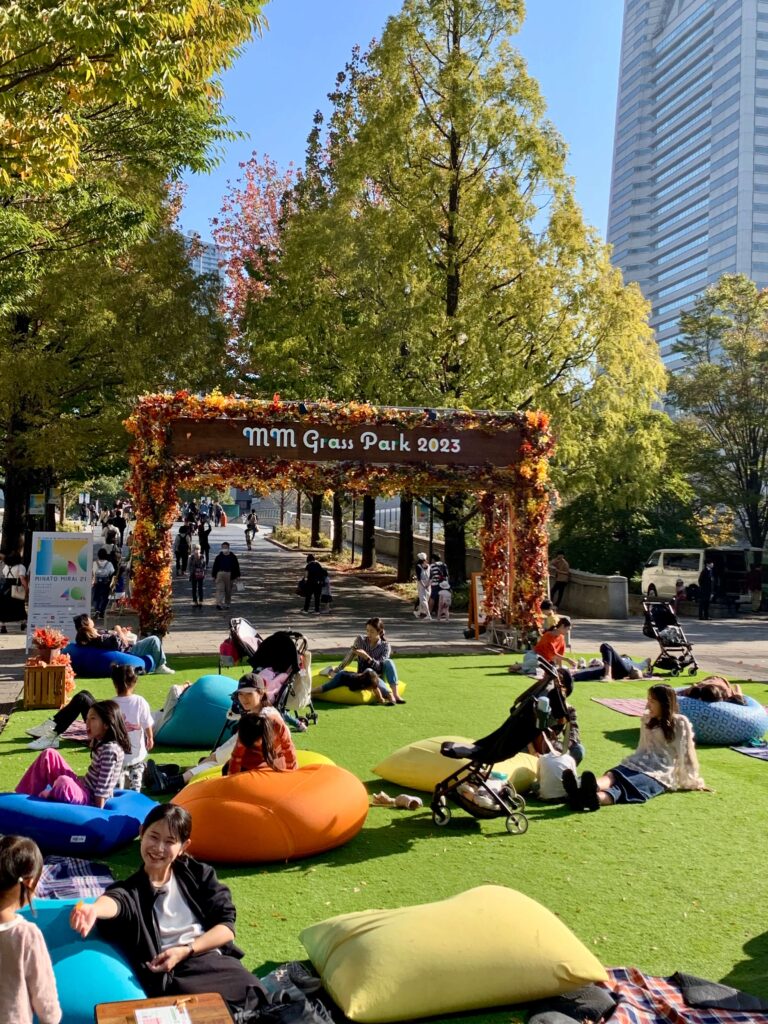
The Good:
- Stunning autumn foliage (koyo) – reds, oranges, golds everywhere (or almost everywhere)
- Comfortable temperatures (15-25°C in most places)
- Lower humidity than summer (although September can still be sticky)
- Fewer international tourists than spring
- Clear skies and great visibility
- Pleasant for outdoor activities
The Bad:
- Early September can still be typhoon season
- Late November gets cold
- Accommodation still books out during peak foliage (mid-November)
- Popular foliage spots get crowded on weekends
The Reality: This is my favourite time to visit Japan. The weather’s perfect, the new season beers are great, the autumn leaves are stunning (seriously, just as beautiful as cherry blossoms), and it’s way less chaotic than spring. Mid-October to mid November is the sweet spot – comfortable temps, beautiful scenery, manageable crowds.
Personal Take: I’d take autumn colours over cherry blossoms any day. The colours last longer, there are fewer tourists, and you can actually enjoy the scenery without being elbowed by a tour group. Plus, the food in autumn is incredible – matsutake mushrooms, sweet potatoes (hello fibre), chestnuts, and seasonal dishes everywhere.
What to Pack:
- Light layers (t-shirt, long sleeve, light jacket)
- Comfortable walking shoes for exploring
- Camera (the colours can be incredible out in the countryside)
Aussie School Holiday Overlap: Our spring break (late September-early October) aligns perfectly with the start of autumn foliage season. Good timing if you’ve got kids.
Flight Prices from Australia: Moderate. Around $1,000-1,300 return from Melbourne/Sydney. Book 2-3 months ahead for best prices.
For Northern Hemisphere Visitors: Your autumn/fall season aligns with Japan’s autumn – perfect timing! September-November is shoulder season for many Northern Hemisphere travelers, meaning better flight deals. Flights from US/Canada: $650-900 USD. UK: £450-700. Consider taking time off in October for peak foliage without the crowds.
Winter (December-February): Snow, Skiing, and Solitude
The Good:
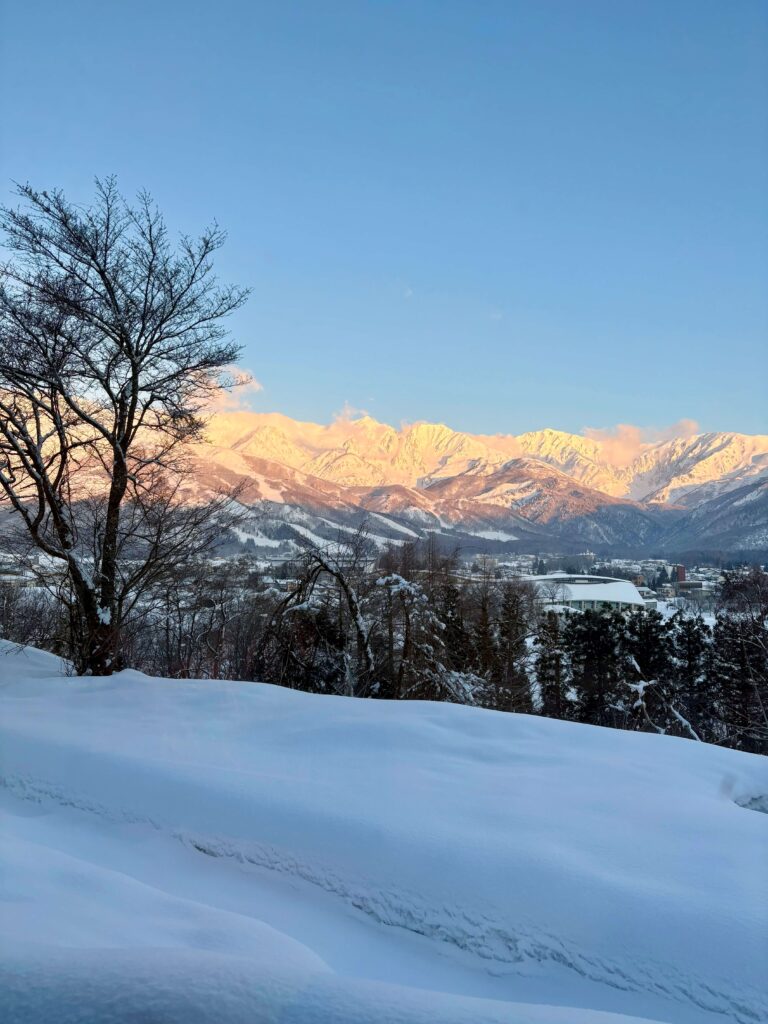
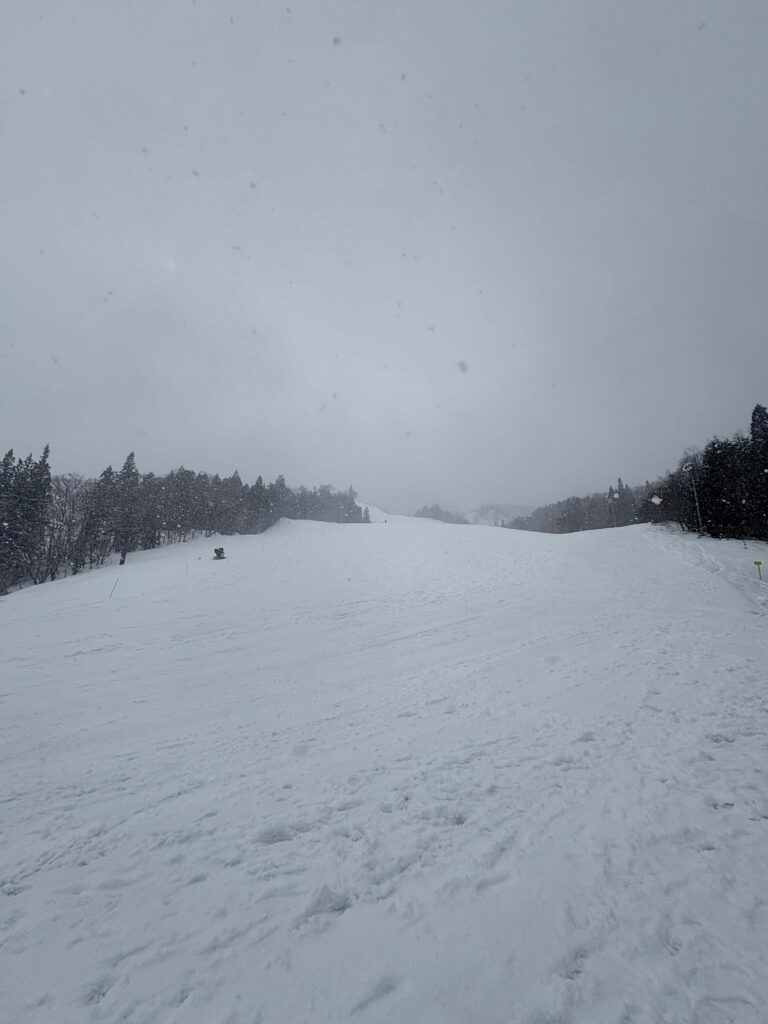
- Snow sports in Hokkaido and Nagano
- Beautiful snow-covered landscapes
- Onsen (hot springs) are magical in winter
- Fewer tourists (except New Year and Chinese New Year)
- Cheaper accommodation (outside holiday periods)
- Clear skies in Tokyo (though cold)
The Bad:
- Cold (0-10°C in Tokyo, below freezing up north)
- Some attractions close or have reduced hours
- Daylight hours are shorter
- New Year (late December-early January) sees Japanese domestic travel spike
- Ski resorts will be expensive
The Unexpected Bonus: Tokyo in winter is actually lovely. It rarely snows, but it’s crisp and clear. Perfect for walking around without sweating or getting rained on. And while it’s cold, it’s nothing compared to European winters. Think Melbourne winter but slightly colder.
What to Pack:
- Warm jacket (down jacket works well)
- Thermals if heading north or to ski areas
- Gloves, beanie, scarf for some
- Warm socks
- Layers for indoor heating (it’s cranked up everywhere)
Aussie Summer Holiday Overlap: Our summer holidays (December-January) align with Japan’s winter. This means expensive flights and crowds during New Year period, but otherwise it’s manageable.
Flight Prices from Australia: Expensive during Christmas/New Year (expect $2,000-3,000+). Much cheaper mid-January to February (around $1,200-1,600).
For Northern Hemisphere Visitors: Your winter holidays (Christmas/New Year) align with Japan’s winter too. This is peak pricing from all regions due to holiday demand. Post-January is much cheaper. Consider February for winter sports in Hokkaido – less crowded than December/January. Flights from US/Canada: $800-1,200 USD. UK: £600-900.
When Aussies Should Actually Book
Let’s be real – most of us are constrained by work leave and school holidays. So while there might be an ideal “best month to visit Japan” in theory, your actual timing depends on when you can get away. Here’s when Aussies typically travel and what to expect:
Australian School Holidays
Summer (December-January):
- Japan is in winter – cold but nice
- New Year period is expensive and crowded
- Mid-January onwards is quiet and more affordable
- Good option if kids want to experience snow
Autumn (September-October):
- Comfortable weather
- Not too crowded (outside Golden Week)
- Flights are moderately priced
Winter (June-July):
- Japan’s rainy season and start of hot summer
- Not ideal timing
- Cheaper flights but you’ll deal with rain and humidity
Spring (March-April):
- Easter can overlap with cherry blossoms
- Expensive flights and accommodation
- Crowded but spectacular
- Book 6+ months in advance if going during cherry blossom peak
Best Times for Aussies Without Kids
If you don’t have school holiday constraints, here are my recommendations:
Late January-February:
- Cheapest flights from Australia
- Fewer tourists
- Cold but manageable in Tokyo
- Perfect for skiing in Hokkaido
Late May:
- Cherry blossoms are done, crowds have left
- Weather is still pleasant
- Reasonable flight prices
- Can actually get accommodation without booking 6 months ahead
Mid-September to mid-October:
- Before peak autumn foliage crowds
- Perfect weather
- Moderate flight prices
- Still warm enough for comfortable travel
Avoid if Possible:
- Golden Week (late April-early May) – domestic crowds are insane
- Obon (mid-August) – hot, humid, and packed with domestic tourists
- New Year (late December-early January) – expensive and many places closed
For Northern Hemisphere Visitors Without Kids: Your best timing differs from Aussies since our seasons are opposite:
- January-February: Cold but cheap and quiet (same as Aussies)
- May: Perfect timing before your summer holidays kick in
- September-October: Ideal – your kids are back in school, crowds are manageable
- Avoid your summer holidays (June-August): Japan’s brutal summer unless you’re going to Hokkaido
Weather Deep Dive: What You Actually Need to Know
Typhoon Season (May-October, peak August-September)
Let’s talk about typhoons because they can absolutely wreck your plans. I’ve had trips completely derailed by these things.
What happens:
- Heavy rain (like, biblical levels)
- Strong winds
- Trains and flights cancelled
- Tourist attractions closed
- Hotels might not have power
Personal Disaster Story: I once had a trip to Okinawa planned in September. Typhoon hit two days before we were meant to leave Tokyo. All flights cancelled, trains stopped, our hotel in Okinawa closed. We ended up stuck in Tokyo for three extra days, missing everything we’d planned. Travel insurance covered it, but it was still frustrating as hell.
How to Handle It:
- Book flexible accommodation where possible
- Get comprehensive travel insurance
- Have backup plans (indoor activities in Tokyo)
- Monitor weather forecasts from September onwards
- Don’t schedule tight connections during typhoon season
Rainy Season (June-mid July)
Japan’s rainy season (tsuyu) means rain most days, but not all day. It’s not like a Melbourne downpour that clears up – it’s persistent drizzle or heavy afternoon showers.
What to Expect:
- 50-60% chance of rain daily
- High humidity
- Everything feels damp
- Mould is a thing (especially in cheaper hotels)
- Still warm (20-25°C)
Pro Tip: Carry an umbrella everywhere. You can buy cheap ones at any konbini, but they’re not great quality. Bring a compact one from home.
Temperature Guide by Month
Here’s what to actually expect temperature-wise in Tokyo (other regions vary):
| Month | Temp Range | What It Feels Like | What to Wear |
|---|---|---|---|
| January | 0-10°C | Cold, like Melbourne winter | Warm jacket, layers, gloves |
| February | 2-10°C | Still cold, slightly warmer | Same as January |
| March | 5-14°C | Cool mornings, mild afternoons | Light jacket, layers |
| April | 10-19°C | Pleasant, comfortable | Light layers, maybe a jacket |
| May | 15-23°C | Warm, sometimes humid | T-shirt, light layers |
| June | 19-26°C | Warm & humid, rainy | Light clothes, umbrella |
| July | 23-30°C | Hot & humid | Lightest clothes possible |
| August | 24-31°C | Brutally hot & humid | Prepare to sweat a lot |
| September | 21-27°C | Still warm, less humid | Light clothes, maybe a jacket |
| October | 15-22°C | Perfect! | Light layers |
| November | 9-17°C | Cool but nice | Light jacket, layers |
| December | 4-12°C | Cold | Warm jacket, scarf |
Budget Considerations: When to Save Money
Cheapest Times to Visit Japan
Late January to early March:
- Lowest flight prices from Australia
- Cheaper accommodation
- Fewer tourists (both international and domestic)
- Still pleasant weather (cold but manageable)
- Ski resorts are expensive, but elsewhere is affordable
What You’ll Save:
- Flights: $200-400 cheaper than peak season
- Hotels: 30-50% cheaper than cherry blossom or autumn peak
- Less competition for restaurant reservations
- Easier to get train tickets
The Trade-off: It’s cold. But if you’re okay with Melbourne winter weather (and it’s similar), you’ll be fine. Plus you avoid the madness of peak season.
Most Expensive Times
Cherry Blossom Season (late March-early April):
- Flights: $1,500-2,000+ from Melbourne/Sydney
- Hotels: 2-3x normal prices in Kyoto/Tokyo
- Everything books out months in advance
- Even trains can be packed
New Year (late December-early January):
- Expensive flights due to Australian summer holidays
- Many restaurants and shops closed 1-3 January
- Hotels charge premium rates
- Domestic tourists everywhere
Golden Week (late April-early May):
- Japanese public holidays = domestic crowds
- Accommodation hard to find
- Transport is packed
- Better to avoid or plan around it
Money-Saving Tips
Book Flights:
- 3-4 months ahead for best prices (except peak season – book 6+ months)
- Tuesday/Wednesday departures are often cheaper
- Consider flying into Osaka instead of Tokyo (sometimes cheaper)
- Use flight comparison sites and set alerts
From Australia:
- Cheapest: Late January-February, June (rainy season)
- Most expensive: Cherry blossom season, December/January
For Northern Hemisphere Visitors: From US/Canada: Cheapest flights are typically January-February and September-October. Avoid booking around your Thanksgiving and Christmas holidays.
From UK/Europe: January-February and November are cheapest. Avoid summer holiday peak (July-August) and Christmas period.
Pro tip: Use Google Flights price tracking to find the sweet spot for your region.
Accommodation:
- Book directly with hotels (sometimes cheaper than booking sites)
- Consider Airbnb outside peak seasons
- Business hotels are great value and clean
- Stay in suburbs with good train access (cheaper than city centre)
When to Splurge: If you’re paying peak season prices anyway (cherry blossoms, autumn foliage), you might as well go all out. Book that ryokan, get the kaiseki meal, do the things. You’re already paying premium, so make it count.
Regional Variations: Where to Go When
Japan stretches 3,000km from subtropical Okinawa to subarctic Hokkaido. This means timing matters depending on where you’re going.
Northern Japan (Hokkaido, Tohoku)
Best Time: May-October
Why:
- Avoids brutal winter (below freezing, heavy snow)
- Summer is perfect (20-25°C, no humidity)
- Autumn foliage is spectacular
- Spring comes late (cherry blossoms in May)
Winter: December-February is for skiing/snowboarding only. It’s proper cold.
Central Japan (Tokyo, Kyoto, Osaka, Nagoya)
Best Time: March-May, September-November
Why:
- These are peak seasons for a reason – the weather’s perfect
- Cherry blossoms in spring, autumn foliage in autumn
- Comfortable temperatures for sightseeing
- All attractions open
Summer: Avoid if you hate heat. July-August is rough in Tokyo, worse in Kyoto (it’s a basin that traps heat and humidity).
Southern Japan (Okinawa, Kyushu)
Best Time: April-June, September-November
Why:
- Subtropical climate means it’s warm year-round
- Summer is too hot and humid (even for Okinawa standards)
- Typhoons are more frequent in the south
- Winter is actually pleasant (15-20°C)
Beach Season: April-October, but expect typhoons August-September.
Food Lovers: Seasonal Eating Guide
One of the best things about visiting Japan is eating seasonally. Here’s what’s at its peak when:
Spring (March-May)
- Sakura mochi – pink rice cakes wrapped in cherry leaves
- Takenoko – bamboo shoots (absolutely delicious)
- Sakura-flavoured everything – KitKats, Starbucks, you name it
- Sea bream – in peak season
- Strawberries – Japanese strawberries are incredible
Summer (June-August)
- Cold somen noodles – refreshing in the heat
- Kakigori – shaved ice desserts
- Unagi – eel (traditionally eaten in summer for energy)
- Ayu – sweetfish, grilled on skewers
- Edamame and cold beer – perfect combo
Autumn (September-November)
- Matsutake mushrooms – expensive but incredible
- Sweet potatoes – roasted sweet potatoes from street vendors
- Sanma – Pacific saury, grilled whole
- Chestnuts – in desserts and snacks
- Sake – new season sake releases in autumn
Winter (December-February)
- Nabe – hot pot (every region has their own style)
- Oden – simmered dishes at konbini
- Warm sake – perfect for cold nights
- Fugu – blowfish (winter specialty)
- Crab – especially in Hokkaido
Pro Tip: Visit depachika (department store food halls) to see what’s seasonal. They’re a food lover’s paradise.
Special Events & What to Avoid
Events Worth Planning Around
Cherry Blossom Forecasts: The Japanese Meteorological Corporation (JMC) releases detailed cherry blossom forecasts from January onwards. Check their website if you’re planning a spring trip. The forecasts are incredibly accurate.
Autumn Foliage Forecasts: Similar to cherry blossoms, there are forecasts for when autumn leaves peak. Generally mid-November around Tokyo, earlier in the north, later in the south.
Events to Avoid (Unless You Love Crowds)
Golden Week (late April-early May): Four consecutive public holidays. Every Japanese person takes time off. Trains are packed, hotels are booked, attractions are crowded. If you must visit, plan your itinerary after May 5th.
Obon (mid-August, around 13-16): Buddhist festival when people return to hometowns. Trains are packed, hotels in rural areas book out. Not ideal for tourists.
New Year (December 31-January 3): Many shops and restaurants close. It’s a family time in Japan. Shrines are packed with people doing first prayers. Hotels are expensive. Better to arrive after January 4th.
Japanese Public Holidays 2025/2026
These dates see increased domestic travel:
- New Year: Jan 1-3
- Coming of Age Day: 2nd Monday in January
- National Foundation Day: February 11
- Emperor’s Birthday: February 23
- Spring Equinox: Around March 20
- Showa Day: April 29
- Golden Week: April 29-May 5
- Marine Day: 3rd Monday in July
- Mountain Day: August 11
- Respect for the Aged Day: 3rd Monday in September
- Autumn Equinox: Around September 23
- Sports Day: 2nd Monday in October
- Culture Day: November 3
- Labour Thanksgiving Day: November 23
Plan around these if you want to avoid domestic crowds.
My Honest Take: When I Actually Visit
I’ve been to Japan in every season multiple times. Here’s when I personally choose to go:
My Favourite Time: Late October to mid-November. The weather’s perfect, autumn leaves are stunning, it’s not as chaotic as spring, and the food is incredible. I’ll happily go at this time every year.
When I Avoid: July and August. I just can’t handle the humidity. I’ve tried, but I end up miserable and spending all my time indoors. If you’re from Far North Queensland you might be fine, but for me, it’s a hard pass.
Budget Trips: Late January to February. Flights are cheap, accommodation is reasonable, and Tokyo in winter is actually quite nice. Perfect for exploring the city without melting or getting rained on.
When Not to Stress: Honestly? Any time outside peak summer (July-August) is fine. Spring is crowded but beautiful. Autumn is perfect. Winter is cold but manageable. Even rainy season isn’t that bad if you’re prepared.
Bottom Line: When Should YOU Go?
The best time to go to Japan depends entirely on what you want and what you can handle:
Choose Spring if:
- Cherry blossoms are a bucket list item (they are stunning)
- You can handle crowds and premium prices
- You can book 6+ months in advance
Choose Summer if:
- You’re heading to Hokkaido or the mountains
- You love festivals and don’t mind heat
- You have Australian school holiday constraints
Choose Autumn if:
- You want great weather with fewer crowds than spring
- You’re flexible on dates
- You love beautiful scenery (autumn foliage is incredible)
Choose Winter if:
- You want cheap flights and fewer tourists
- You’re okay with cold weather
- You want to ski/snowboard
- You’re visiting Tokyo (it’s actually quite pleasant)
For Aussie Families:
- Spring break (September-October) is perfect timing for autumn foliage
- Summer holidays (December-January) means cold weather but still enjoyable
- Easter can align with cherry blossoms but book way ahead
For Northern Hemisphere Families:
- Spring break (March-April) aligns with cherry blossoms – book early!
- Summer holidays (June-August) = hot, humid Japan (consider Hokkaido instead)
- Christmas/New Year is expensive everywhere but winter in Japan is lovely
My Final Advice: Don’t overthink the best time of the year to visit Japan. I’ve had brilliant trips in every season. Japan is incredible year-round, and even if you get rain or crowds or heat, you’ll still have an amazing time. Just pick a time that works for your schedule and budget, pack appropriately, and go.
The worst time to travel to Japan is never. The best time is whenever you can actually make it happen.
Got questions about timing your Japan trip? Drop them in the comments and I’ll help you figure out the best time for your specific situation!