
Last Updated on November 7, 2025 by Vlad
Right, let’s talk about Kyoto. Beautiful? Absolutely. Historic? No doubt. Worth visiting in 2025? Debatable.
I’ve just had a friend return from Japan who, despite my warnings, went to Kyoto anyway. His verdict? “Couldn’t even get a proper photo without someone’s selfie stick in the frame.”
The thing is, Japan’s got heaps of incredible historic spots that haven’t been trampled by every travel blogger and their ring light. Places where you can actually hear the temple bells instead of tour groups, and where the locals haven’t developed a permanent eye twitch from overtourism.
Here are the best Kyoto alternatives – historic towns in Japan that give you the same cultural hit without the chaos.
Kanazawa: Kyoto’s Classier Younger Sister
Closest vibe to Kyoto, but calmer and way less crowded.

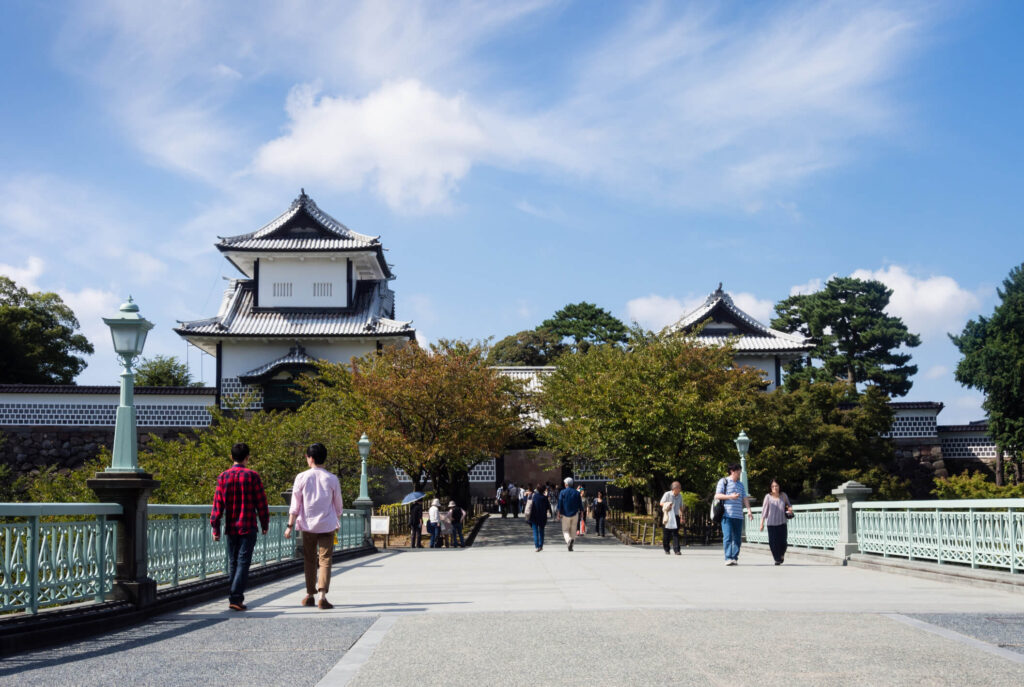
If Kyoto’s what you’re after but without the chaos, Kanazawa is one of the best Kyoto alternatives out there. It’s got everything – samurai districts, geisha culture, stunning gardens – but feels about 20 years behind on the tourist radar (in a good way).
- Kenrokuen Garden – one of Japan’s top three gardens, actually peaceful in the mornings
- Nagamachi Samurai District – wander through actual preserved samurai houses without getting shoved. The samurai houses here belonged to retainers who served the Maeda clan. If you’re into samurai history, check out my guide to Japan’s most iconic samurai warriors.
- Higashi Chaya District – geisha teahouses that aren’t overrun; you might even spot a real geisha heading to work
- The castle’s decent too, though it’s a reconstruction
Best bit? You can stroll around in the evening and have streets basically to yourself. The local seafood’s brilliant, and the 21st Century Museum of Contemporary Art is genuinely cool if you need a break from temples.
Getting there: 2.5 hours from Tokyo on the Shinkansen, or make it a stopover between Tokyo and the Alps. If you’re doing multiple train trips, check out our JR Pass calculator to see if it’s worth grabbing a pass.
Takayama: Old Japan That Hasn’t Changed Much
Small historic town in the Japanese Alps with Edo-era streets still intact.
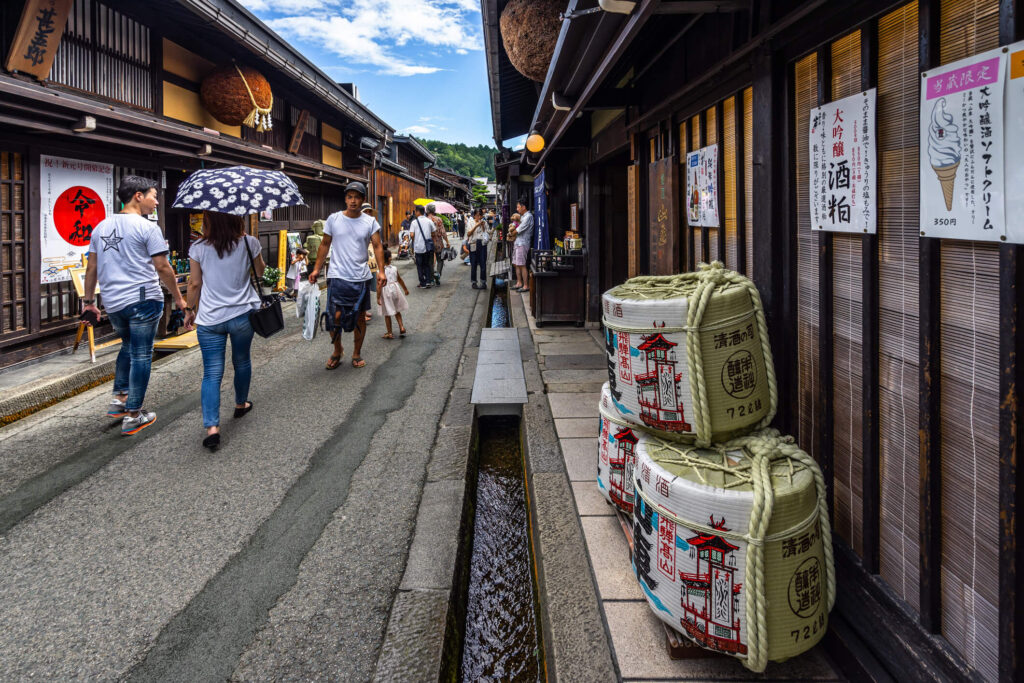

Tucked up in the Japanese Alps, Takayama is another historic town in Japan that still feels lived-in, not staged. The old merchant district (Sanmachi) has wooden buildings from the 1600s, and they’re not museum pieces – people actually live and work in them.
- Walk the streets early morning (7-8am) before day-trippers arrive – it’s magical
- The morning markets along the river sell local produce, not tourist tat
- Traditional sake breweries you can actually visit and taste
- Stay in a ryokan here; it’s cheaper than Kyoto and more authentic
Fair warning: it does get busy during the Takayama Festival (April and October), so avoid those dates unless you’re specifically going for that.
Kamakura: Tokyo’s Historic Day Trip
Former capital with temples, hiking trails, and beach vibes – only an hour from Tokyo.
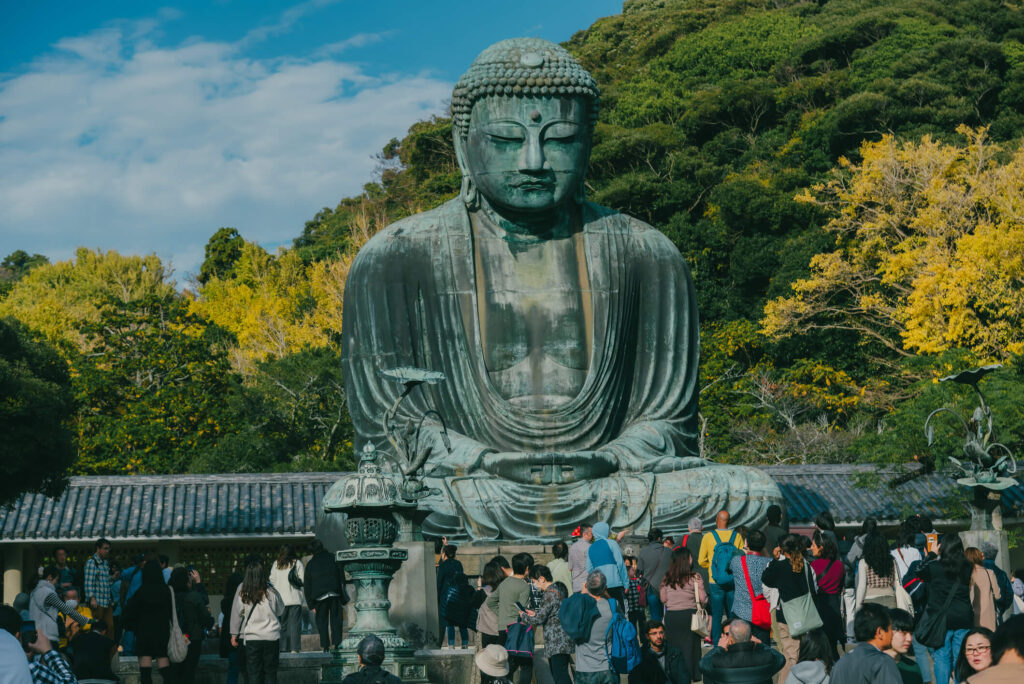

Only an hour from Tokyo, but feels like a different era. Former capital of Japan (1185-1333), so there’s proper historical weight here. If you’re looking for less crowded alternatives to Kyoto near Tokyo, this is it. It’s one of the best day trips from Tokyo you can do.
- Daibutsu – massive bronze Buddha you can actually get close to without being packed in like sardines
- Dozens of temples scattered through the hills – take the hiking trails between them
- Hasedera Temple – gorgeous views over the coast, hydrangeas in June are stunning
- The beach town vibe means good seafood and a more relaxed feel
Pro tip: Go midweek if you can. Weekends get Tokyo day-trippers, but it’s still nothing compared to Kyoto’s madness.
Nara: Better Than Kyoto (There, I Said It)
Temples, a giant Buddha, and hundreds of bowing deer – manageable crowds and day-trip friendly.

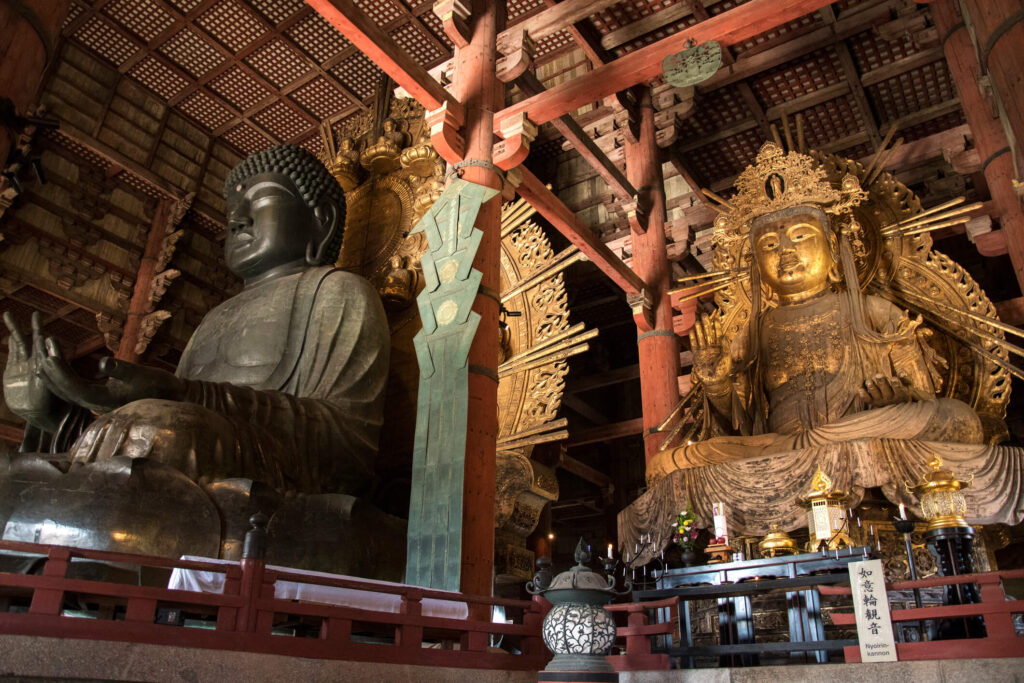
Yeah, Nara gets tourists, but here’s the difference – it’s manageable. Plus, deer. Hundreds of them, just wandering about like they own the place (which, historically, they kind of do).
- Todai-ji Temple – houses one of Japan’s biggest bronze Buddhas in a wooden building that’ll make your jaw drop
- Kasuga Taisha Shrine – thousands of lanterns, moss-covered stone paths through the forest
- The deer will bow for crackers, then headbutt you if you’re too slow – it’s brilliant entertainment
- Way more compact than Kyoto; you can see the main sights in a day but staying overnight means you get the place to yourself after 5pm
The deer thing isn’t just a gimmick – they’ve been considered sacred messengers for over 1,000 years. Though they’re also cheeky buggers who’ll eat your map if you’re not careful.
Nikko: Mountains, Temples, and Proper Quiet
Ornate shrines and mountain scenery two hours north of Tokyo.


Two hours north of Tokyo, Nikko’s where the first Shogun’s buried, so they didn’t hold back on the temples. The area’s absolutely stunning – mountains, waterfalls, forests – and feels a world away from city Japan. Nikko’s also a great option for a day trip from Tokyo if you’re based there and want to escape the city for a bit.
- Toshogu Shrine – ridiculously ornate, gold everywhere, carved monkeys doing the “see no evil” thing
- Lake Chuzenji and Kegon Falls – gorgeous natural scenery
- Heaps of hiking trails if you’re into that
- The town itself is tiny and walkable
Winter’s actually brilliant here – the crowds thin out and it’s beautiful under snow. Just rug up properly.
Ise Jingu: Japan’s Most Sacred Shrine
Shinto’s holiest site in a massive forest – spiritual atmosphere, mostly Japanese visitors.
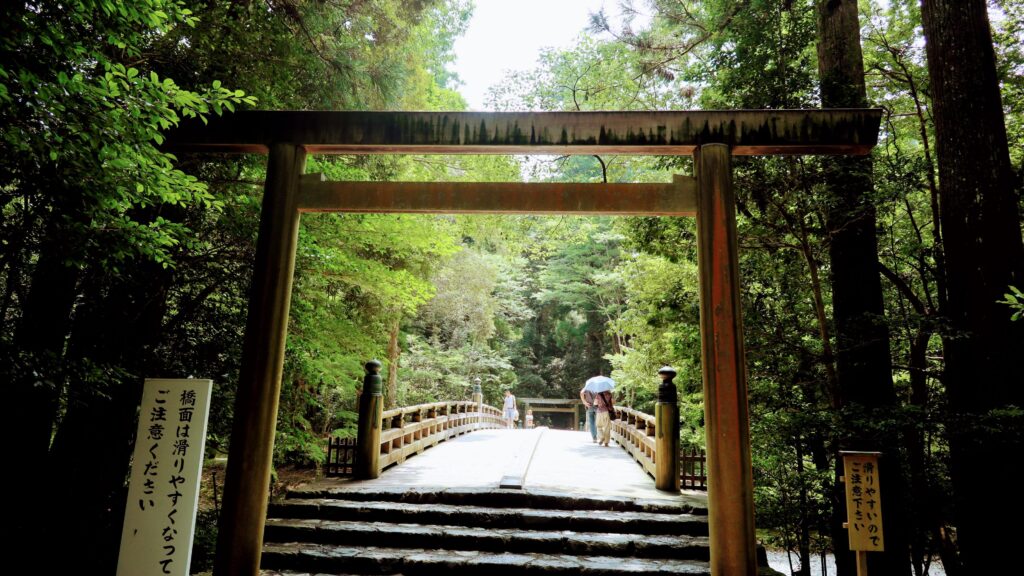
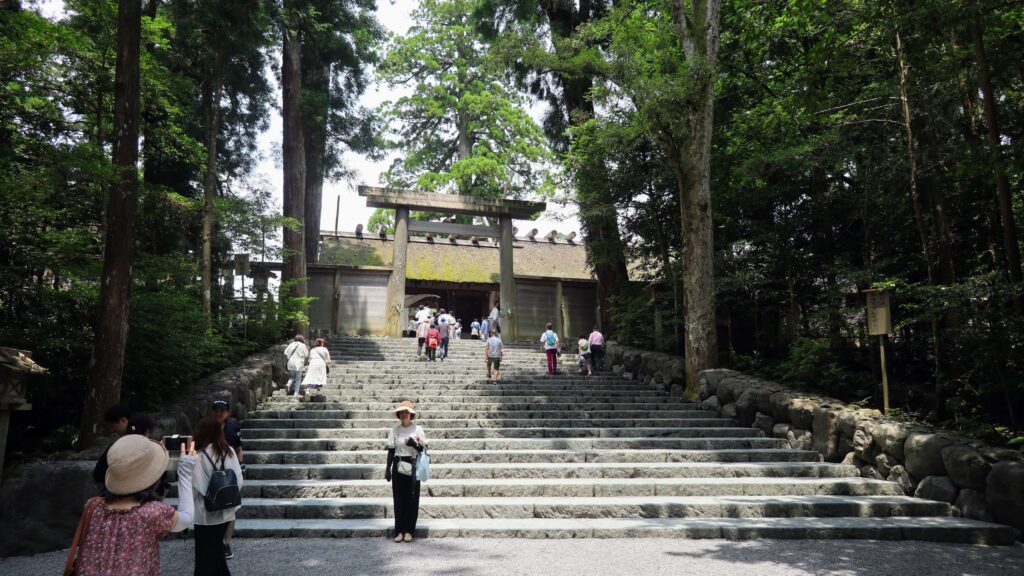
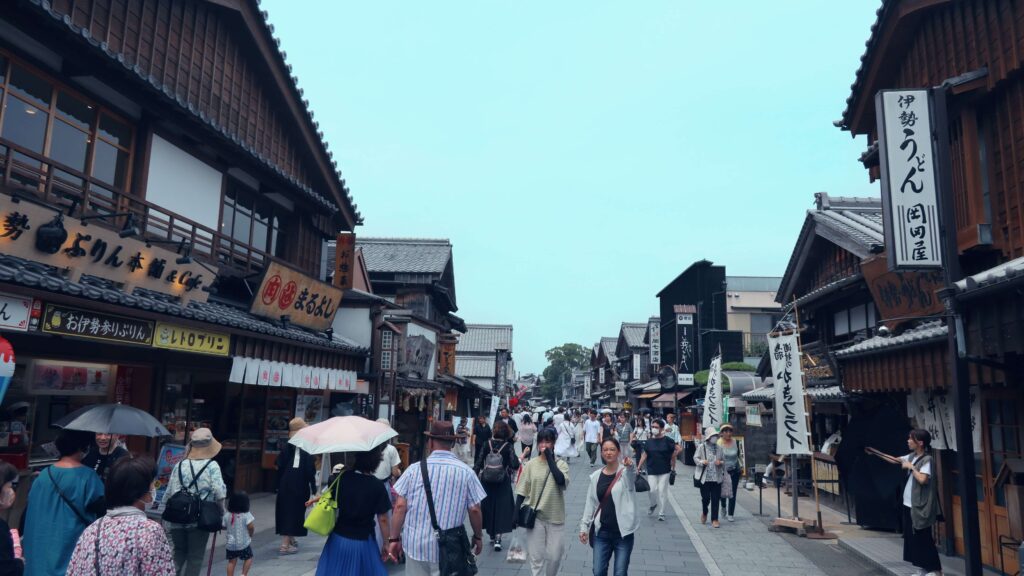
This one’s a bit special. Even if you go in peak summer like I did, this is indeed a special place – i’ve never felt this kind of spirituality anywhere else in Japan. Ise Jingu is Shinto’s holiest site – think of it like Jerusalem. It is rebuilt every 20 years for the past 1,300 years in the same style. It’s massive – set in a forest with huge cryptomeria trees that are hundreds of years old.
- The atmosphere here is something else – genuinely spiritual
- Way fewer international tourists; mostly Japanese visitors and pilgrims
- The nearby town (Ise) has great seafood and the traditional Okage Yokocho street
- You can’t actually see the main shrine buildings (they’re behind fences), but that’s kind of the point
It’s a bit more out of the way (Mie Prefecture), but that’s exactly why it’s not overrun. Pair it with a trip to Toba or Shima Peninsula for some coastal scenery. HIGHLY RECOMMENDED!
Koyasan: Sleep in a Temple, Eat Monk Food
Mountain temple town where you stay in working temples and join morning prayers.
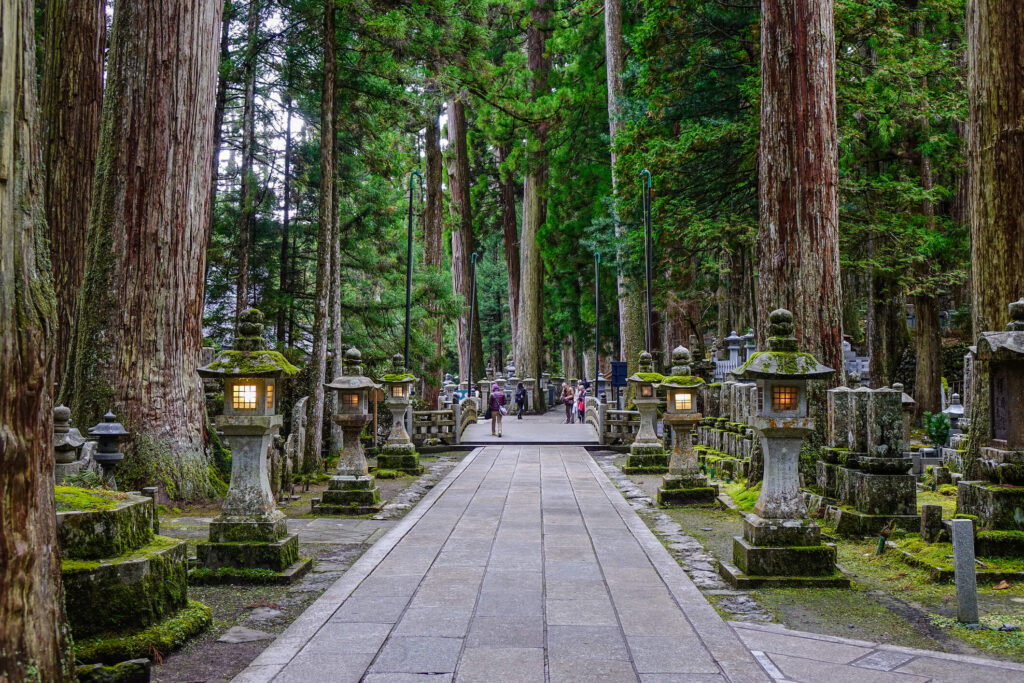
Want something completely different? Koyasan’s a mountain temple town where you can stay in an actual working temple, eat Buddhist vegetarian cuisine (shojin ryori), and wake up for morning prayers at 6am.
- Over 100 temples scattered across the mountaintop
- Okunoin Cemetery – massive graveyard in the forest with 200,000+ graves and monuments, lit by lanterns at night (sounds creepy, actually peaceful)
- The monks are used to foreign visitors and genuinely welcoming
- Morning prayers with chanting are wild – worth dragging yourself out of bed for
It’s not easy to get to (cable car up the mountain), which keeps the crowds down. Stay overnight – the day-trippers miss the best bits.
Matsumoto: Castle Town With Mountain Views
Original black castle in the Japanese Alps – authentic and not rebuilt.
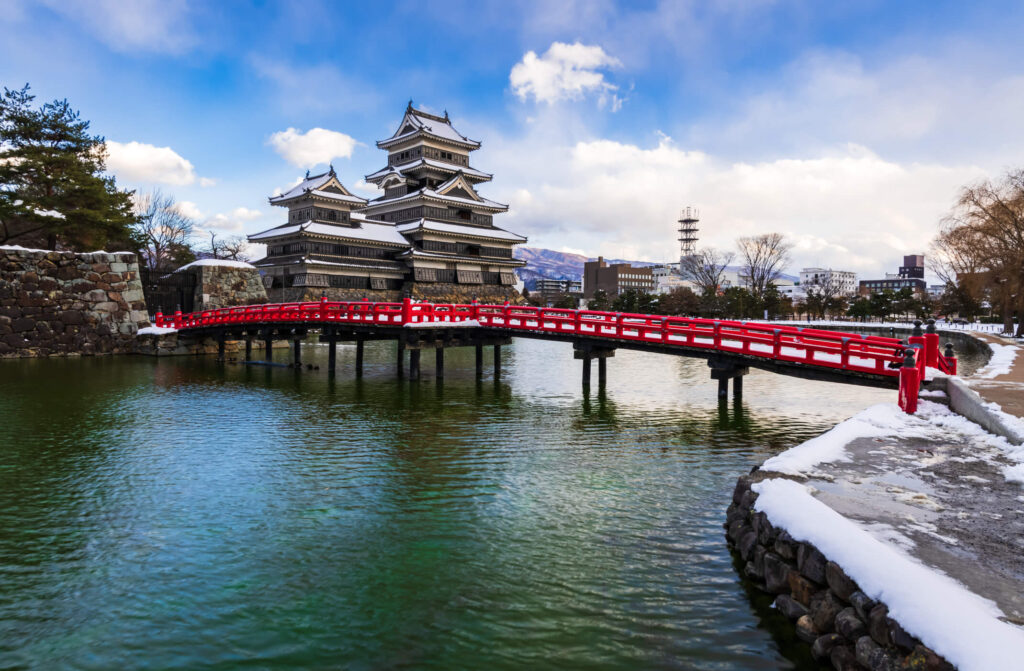
If you want a proper original castle (not a concrete reconstruction), Matsumoto’s your place. The castle’s nicknamed “Crow Castle” because it’s painted black, and it’s one of the few originals left.
- The castle’s legitimately cool – steep stairs, tight corridors, built for defence not tourists
- Old town area has sake breweries and traditional shops
- Gateway to the Japanese Alps if you want hiking or skiing
- Way fewer foreign tourists; mainly domestic visitors
The town’s got a nice vibe – not trying too hard, just getting on with being a normal Japanese city that happens to have a stunning castle.
Kurashiki: Kyoto’s Canal District Without the Crowds
Edo-period canals, white storehouses, and willow trees – walkable in half a day.
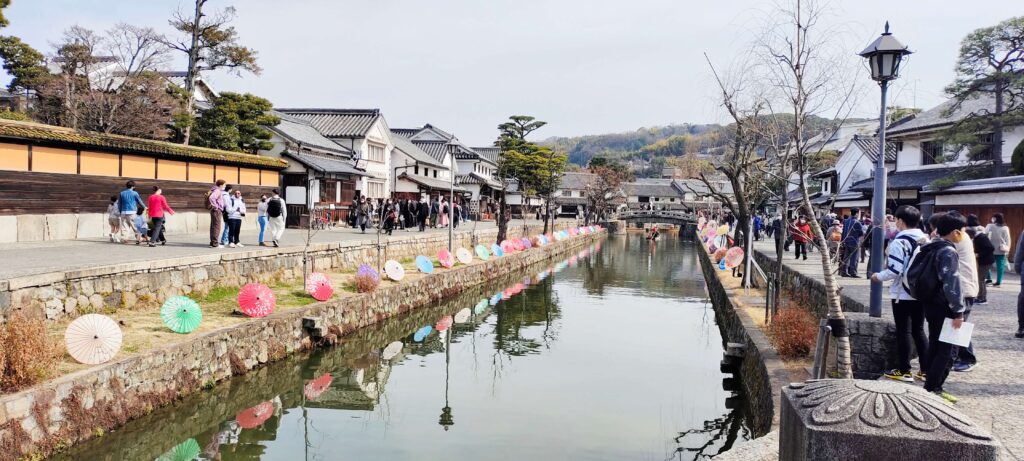
Down in Okayama Prefecture, Kurashiki’s got this gorgeous preserved canal area that feels like you’ve wandered into an Edo-period postcard. White-walled storehouses, willow trees drooping over the water, little stone bridges – it’s the Gion vibe you wanted in Kyoto, but you can actually walk around without bumping into someone every three seconds. If you love Kyoto’s traditional streets but want them less crowded, this historic town in Japan is perfect.
- Bikan Historical Quarter – the canal area’s the main draw; best early morning when it’s misty
- Ohara Museum of Art – Japan’s first museum for Western art, randomly stuck in this traditional town (but it works)
- Kurashiki Ivy Square – old textile factory that’s been turned into shops and cafés, covered in ivy (hence the name)
- The whole area’s walkable in a few hours
It’s small enough that you won’t get lost, but interesting enough that you’ll want to poke around for half a day. The canal reflections at sunset are pretty special too.
Matsue: The Castle Town Nobody Talks About
Original castle, samurai history, and sunset views over Lake Shinji.
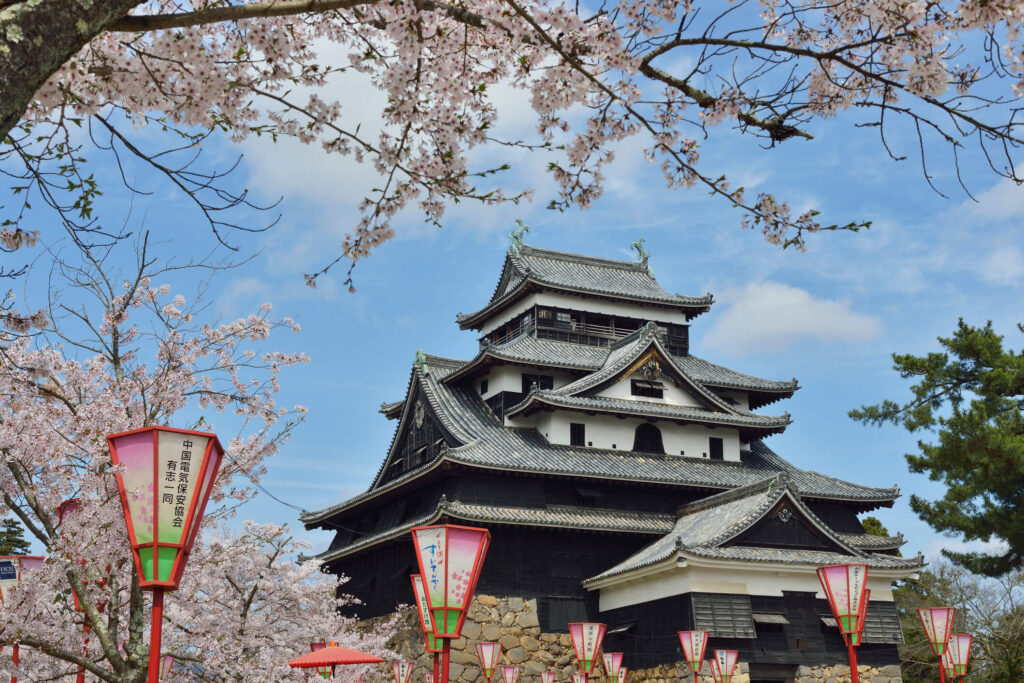
Up in Shimane Prefecture (yeah, you probably haven’t heard of it), Matsue’s known as the “City of Water” because it’s surrounded by Lake Shinji and has canals running through it. It’s got proper samurai history, a cracking original castle, and some of the best sunsets in Japan over the lake.
- Matsue Castle – one of only twelve original wooden castles left in Japan, and it’s painted black which looks mint
- Lafcadio Hearn’s Former Residence – this Irish-Greek bloke moved here in 1890 and wrote down all the Japanese ghost stories, basically introducing them to the West
- Horikawa Moat Boat Tours – calm little ride around the castle moats; they lower the roof when you go under bridges
The pace here is slow in the best way. It’s not trying to impress anyone, which makes it more authentic. Plus, the local speciality is freshwater eel, and it’s delicious.
Hikone: The Lake Biwa Castle Stop
Original castle on Japan’s biggest lake – feudal charm without the theme park feel.

Sitting on the shore of Lake Biwa (Japan’s biggest lake), Hikone’s one of those castle towns that’s managed to keep its feudal-era charm without becoming a theme park. It’s small, easy to navigate, and the castle’s a stunner.
- Hikone Castle – consistently rated one of Japan’s top five castles, and it’s an original
- Genkyuen Garden – sits right next to the castle, built for the feudal lord to chill out in
- Yume Kyobashi Castle Road – the street leading to the castle with traditional shops and tea houses; touristy but not obnoxiously so
- The castle’s got a mascot cat called Hikonyan who wanders around – it’s ridiculous but kids love it
You can knock this out as a day trip from Kyoto (only 50 minutes by train), which is ironic given you’re using Kyoto as a base to escape Kyoto. But if you’re already there, it’s worth the trip.
Uji: Kyoto’s Quieter Neighbour
Famous for matcha tea and the temple on the ¥10 coin – only 20 minutes from Kyoto.
Okay, bit cheeky including this one since it’s basically between Kyoto and Nara, but hear me out – Uji’s where Kyoto locals go when they want to escape Kyoto. It’s famous for green tea (like, proper famous – Uji matcha is the good stuff), and it’s got that temple on the back of the ¥10 coin.
- Byodo-in Temple – UNESCO site, the Phoenix Hall is stunning and you’ve already seen it if you’ve got any Japanese coins. It’s one of many incredible sites on my Japan UNESCO World Heritage guide.
- Uji River – nice walks along the riverbank, bridges are pretty, locals fishing
- Every second shop sells matcha something – tea, ice cream, noodles, Kit Kats – embrace it
- It’s only 20 minutes from Kyoto Station, so you can duck out for a few hours and still be back for dinner
The vibe’s completely different from Kyoto proper. It feels like an actual town where people live, not a tourist attraction that happens to have residents. The matcha soft serve here is some of the best you’ll have in Japan – cold, creamy, and properly bitter in a good way.
Quick Comparison: Which Historic Japanese Town is Right for You?
| Town | Why It Works as a Kyoto Alternative | Best For | How Far from Tokyo |
|---|---|---|---|
| Kanazawa | Samurai districts, geisha areas, gardens | People who wanted Kyoto vibes without the chaos | 2.5 hours |
| Takayama | Edo-era streets in the mountains | Slow walkers and culture fans | 4.5 hours |
| Kamakura | Former capital with temples and beaches | Day-trippers from Tokyo | 1 hour |
| Nara | Temples, giant Buddha, friendly deer | Families and first-timers | 3.5 hours |
| Nikko | Ornate shrines in mountain scenery | Nature lovers and hikers | 2 hours |
| Ise Jingu | Japan’s holiest Shinto shrine | Spiritual seekers | 3 hours |
| Koyasan | Stay in working temples | People wanting something unique | 4 hours |
| Matsumoto | Original castle, Alps gateway | Architecture and mountain fans | 3 hours |
| Kurashiki | Edo canals and art museums | Anyone who loves Gion’s charm | 4 hours |
| Matsue | Castle and samurai history | History buffs wanting authenticity | 6 hours |
| Hikone | Original castle on Lake Biwa | Architecture lovers | 3 hours |
| Uji | Matcha tea town with UNESCO temple | Tea lovers and half-day escapers | 3 hours |
Quick Tips for Visiting These Less Crowded Historic Towns:
- Go early or late in the day – even quiet places get busier midday
- Weekdays beat weekends
- Learn a few Japanese phrases – outside Kyoto, English is hit and miss
- Stay overnight if you can; day-trippers leave by 5pm and you get the place to yourself
- The JR Pass covers trains to most of these spots – use my handy JR Pass calculator to work out if it’s worth buying one for your trip
The Real Talk:
Don’t get me wrong, Kyoto’s not terrible. The temples are still there, still beautiful. But if you’re going to Japan to experience old Japan without massive (really massive) crowds of tourists – the quiet contemplation, the sense of history, the feeling of discovering something special – you’ll have a way better time at these Kyoto alternatives.