Last Updated on November 26, 2025 by Vlad
Right, so you’ve got 10 days to experience Japan for the first time. Good news: that’s enough time to hit all the must-sees without feeling like you’re sprinting through a theme park. I’ve done variations of this route dozens of times since 2004, and this itinerary strikes the perfect balance between seeing the big-ticket items and actually enjoying yourself.
This route covers Tokyo’s electric energy, Kyoto’s temples and traditions, plus a couple of day trips that’ll make your Instagram followers properly jealous. No fluff, no filler – just the spots that actually matter.
A word on pacing: This is a fairly packed itinerary for those who want to see as much as possible. Don’t be afraid to tear it up! If you fall in love with a quiet Kyoto alleyway, skip a temple and just sit with a coffee. The best moments are often the unplanned ones. Japan rewards wandering.
Quick Trip Overview
Best time to go: Spring (March-May) for cherry blossoms, or autumn (September-November) for fall colours and comfortable weather
Budget: Plan for ¥20,000-30,000 per day (roughly $200-300 AUD) including accommodation, food, transport, and entry fees. Japan’s still doable on less, but prices have crept up since 2020.
Transport: Skip the JR Pass for this itinerary – buying individual shinkansen tickets is way cheaper. Tokyo-Kyoto return costs ¥26,640, while a 7-day JR Pass is ¥50,000. You’d lose ¥23,360! Only consider the pass if you’re adding more long-distance trips.
Where you’ll stay:
- Tokyo (5 nights) – Choose your vibe:
- Shinjuku: The ultimate transport hub, buzzing with energy, skyscrapers, and nightlife
- Shibuya: Youthful, fast-paced, and home to the famous crossing and great shopping
- Asakusa: More traditional, old-school vibe with the temple, but a bit further from some central spots
- Kyoto (4 nights) – Anywhere near Karasuma or Kawaramachi stations for easy access to temples and the subway
- Optional: 1 night in Hakone if you fancy a proper ryokan experience with onsen
Day 1: Arrive in Tokyo & Get Your Bearings
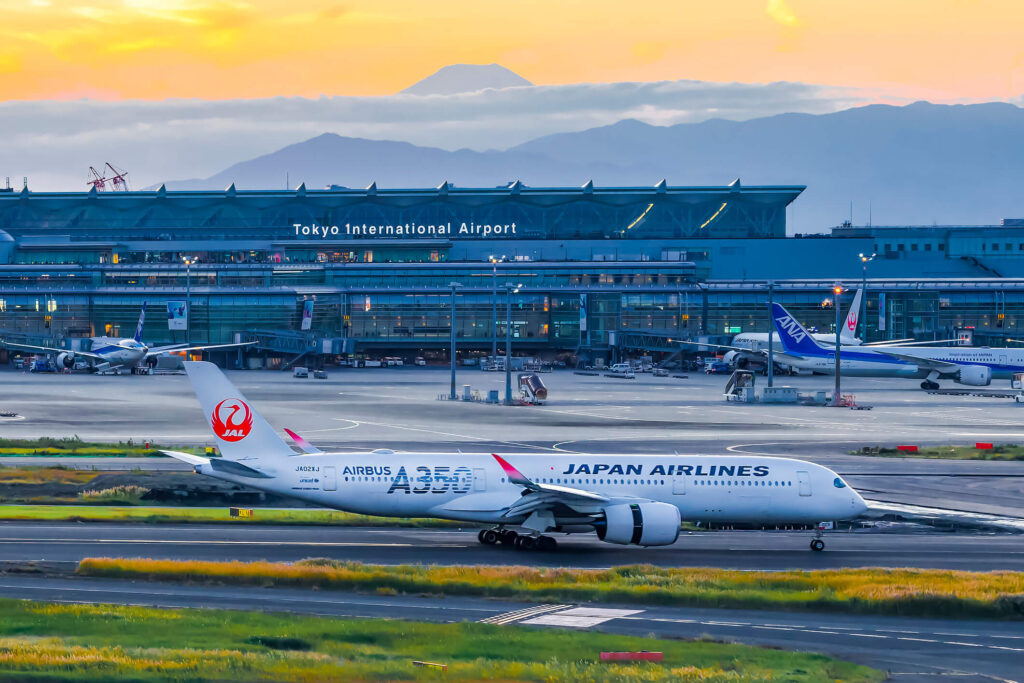
Morning/Afternoon: Land at Narita or Haneda, get to your hotel (Narita Express ¥3,070, or airport limousine bus ¥3,200)
Evening:
- Head to Shibuya Crossing for the iconic scramble (go at sunset for the best vibes)
- Grab dinner at an izakaya in Shibuya – don’t be fancy, just find one that’s packed with salarymen
- Wander through Shibuya Center-gai to soak up the neon chaos
Personal tip: I always hit up a Family Mart on day one for onigiri and a chu-hi. Welcome to Japan, sorted.
Where to eat: Any izakaya near Shibuya station (around ¥2,500-4,000 per person, more if you’re having a few drinks)
First time in Tokyo? Check out my complete First Time in Tokyo Guide for more detailed neighbourhood breakdowns and insider tips.
Day 2: Classic Tokyo – Asakusa & Akihabara
Morning:
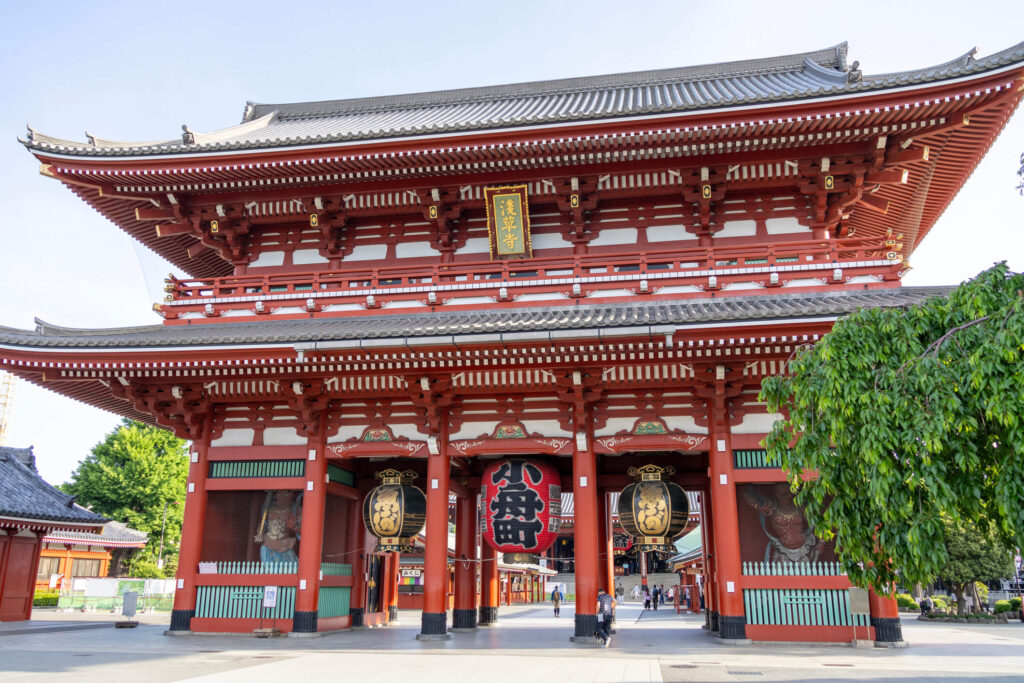
- Senso-ji Temple in Asakusa – get there early (7-8am) before the tour groups descend
- Walk down Nakamise Shopping Street (but honestly, most of the souvenirs are overpriced tourist tat)
- Grab some fresh melon pan or ningyo-yaki from the stalls
Afternoon:
- Take the Ginza Line to Akihabara (20 mins, ¥170)
- Explore the electronics shops, anime stores, and arcades
- Hit up a retro game shop if that’s your thing – prices are way better than back home
Evening:
- Head to Tokyo Skytree or Tokyo Tower for sunset views (Skytree is ¥2,100 for the main deck)
- Dinner in Asakusa – try monjayaki or proper tempura
Time-saver: Skip Tokyo Tower if you’re planning to go up Tokyo Skytree. One tall building is enough. Still can’t decide? I’ve got a full comparison on Tokyo Tower vs Tokyo Skytree that breaks down which one’s worth your time and money.
Day 3: Harajuku, Shibuya & Shinjuku

Morning:
- Meiji Shrine opens at sunrise – it’s magical before 9am when the crowds arrive
- Walk through Yoyogi Park (bring coffee from a konbini)
- Hit Takeshita Street in Harajuku for crepes and people-watching
Afternoon:
- Omotesando for upscale shopping and architecture
- Pop into Tokyu Hands in Shibuya – it’s like a department store for stuff you didn’t know you needed
Evening:
- Explore Shinjuku – start in the east side for shopping and arcades
- Dinner in Omoide Yokocho (Memory Lane) – those tiny yakitori alleys are brilliant
- If you’re keen, check out the Tokyo Metropolitan Government Building observation deck (free, closes 11pm)
Don’t miss: Golden Gai in Shinjuku. Tiny bars that fit about 5 people max. Pick one that looks interesting and squeeze in. Just know that drinks here add up quickly – expect ¥800-1,500 per drink, plus some places charge a small seating fee.
Day 4: Day Trip – Hakone or Nikko?
This is the big choice. Both are brilliant, but they offer completely different experiences.
Option A: Hakone (My Pick for First-Timers)
Why Hakone: The classic Mt. Fuji view (weather permitting), hot springs, and that fun transport loop (train, cable car, ropeway, pirate ship). If you want the quintessential Japan experience with onsen and mountain scenery, this is it.
The Route:
- Take the Odakyu Romance Car from Shinjuku to Hakone-Yumoto (85 mins, ¥2,330)
- Do the Hakone Loop: cable car up to Owakudani for volcanic views and black eggs, ropeway to Lake Ashi, pirate ship cruise across the lake
- Hakone Free Pass covers most transport (2-day pass ¥6,100 from Shinjuku)
- Try an onsen – most museums and some restaurants have day-use baths (¥800-1,500)

Mt. Fuji reality check: You need clear weather. Check forecasts and cross your fingers. Even locals go multiple times hoping for a good view.
Optional overnight: Stay in a ryokan with private onsen and kaiseki dinner (¥20,000-40,000 per person). It’s pricey but it’s the Japanese experience.
Option B: Nikko (For Shrine Lovers)
Why Nikko: Unparalleled World Heritage shrines, majestic nature, and fewer tourists than Hakone. If you’re more into temples and autumn colours than Mt. Fuji and hot springs, go here.

The Route:
- Tobu Railway from Asakusa to Nikko (2 hours, ¥2,800 return with discount pass)
- Toshogu Shrine – ridiculously ornate, absolutely stunning (¥1,300 entry)
- Lake Chuzenji and Kegon Falls if you’ve got time (¥570 for falls viewing platform)
The downside: It’s a longer journey (4 hours round trip) and you’ll be knackered by evening.
My honest take: Hakone edges it for first-timers because of the variety and the onsen experience. But if shrines are your thing or you’re traveling in late October-November when Nikko’s autumn colours are insane, go to Nikko.
Evening (either option):
- Return to Tokyo
- Low-key dinner near your hotel
Day 5: Travel to Kyoto & Explore Central Areas
Morning:
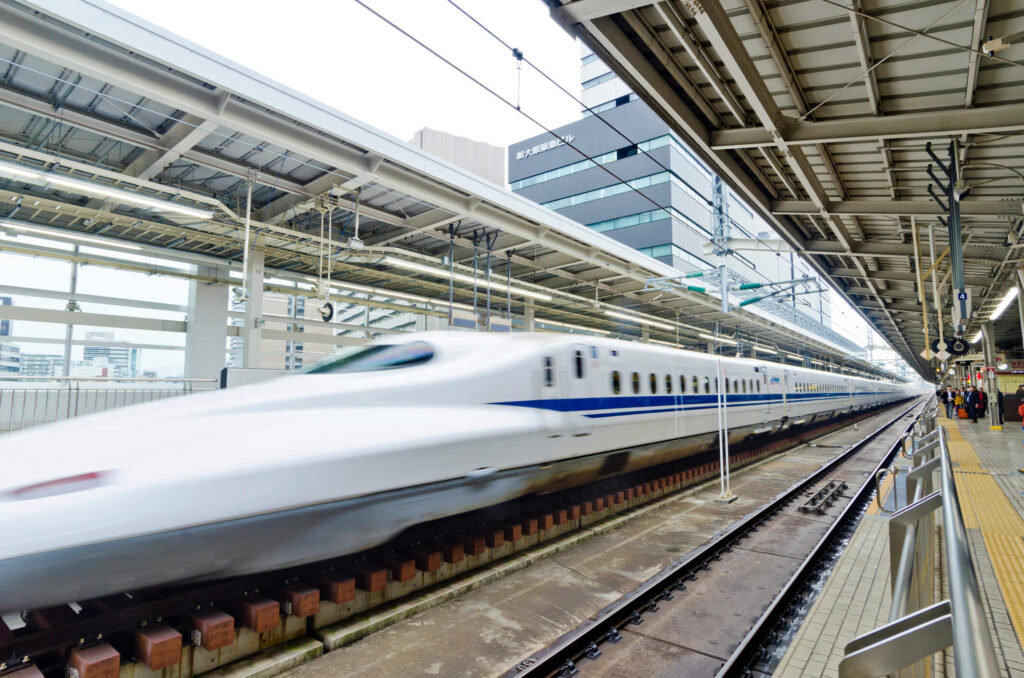
- Catch the shinkansen from Tokyo to Kyoto (2 hours 15 mins, ¥13,320 one way – book on the day or in advance online)
- Check into your Kyoto hotel
Afternoon:
- Nishiki Market for lunch – try everything from fresh sashimi to pickles to matcha soft serve
- Wander through Gion district hoping to spot a geiko or maiko (better chances at dusk)
Evening:
- Walk along the Kamo River – locals hang out here on the banks
- Dinner in Pontocho – those narrow alleys are atmospheric as hell
Real talk: Your chances of seeing a geisha are slim unless you stake out Gion around 5-6pm when they’re heading to appointments. Don’t chase them for photos – that’s just rude.
Day 6: Arashiyama & Western Kyoto

Morning:
- Arashiyama Bamboo Grove – seriously, get there by 7am or prepare for selfie-stick hell
- Tenryu-ji Temple next door (¥500 for garden, worth it)
- Cross the Togetsukyo Bridge
Afternoon:
- Rent a bike and cruise around the area (¥1,000 for the day)
- Monkey Park Iwatayama if you fancy a hike and some cheeky monkeys (¥600 entry)
- Or visit Okochi Sanso Villa for peaceful gardens (¥1,000)
Evening:
- Head back to central Kyoto
- Try kaiseki (traditional multi-course dinner) if your budget allows – expect ¥8,000-15,000 per person
Heads up: Arashiyama gets absolutely mobbed on weekends. Weekday mornings are your friend.
Day 7: Day Trip to Nara
Morning:
- Train to Nara (45 mins from Kyoto, ¥720 one way on Kintetsu Line)
- Nara Park – free to wander, and those deer are everywhere
- Buy deer crackers (¥200) but be warned: those deer are pushy little buggers
Midday:
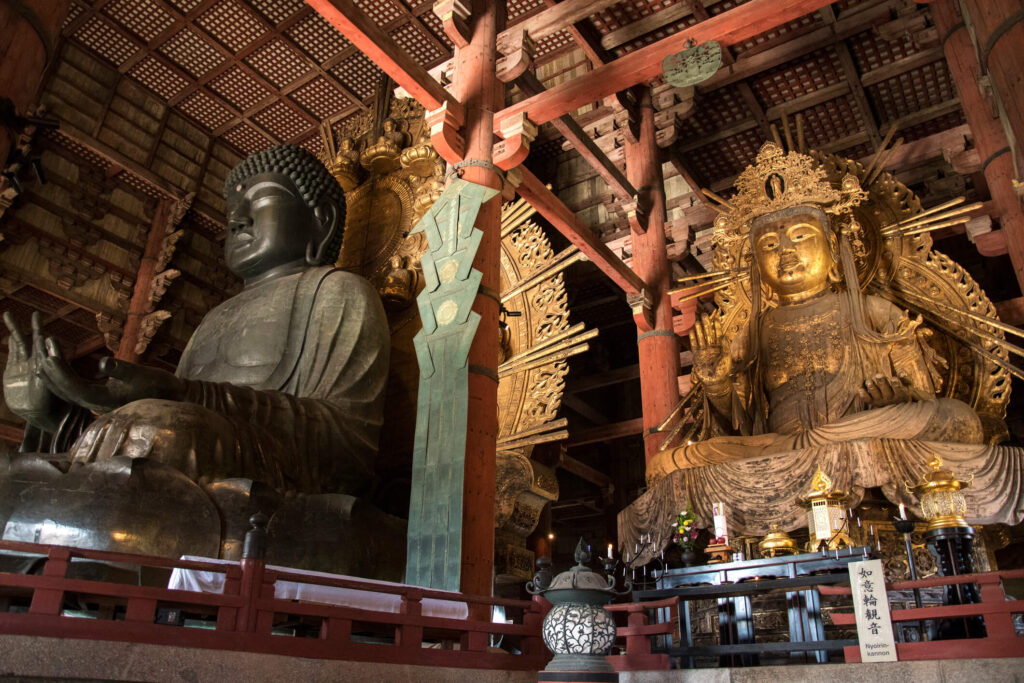
- Todai-ji Temple with the massive Buddha statue (¥600 entry)
- The building itself is mind-blowing – one of the largest wooden structures in the world
Afternoon:
- Kasuga Taisha Shrine with thousands of stone lanterns
- Walk through Naramachi old town for lunch and shopping
Evening:
- Back to Kyoto by dinner time
- Chill evening – maybe check out the Kyoto Station building’s rooftop (free views)
Personal favourite: Feeding the Nara deer never gets old, but watch your map/bags – they’ll eat anything.
Day 8: Eastern Kyoto Temple Route
Morning:
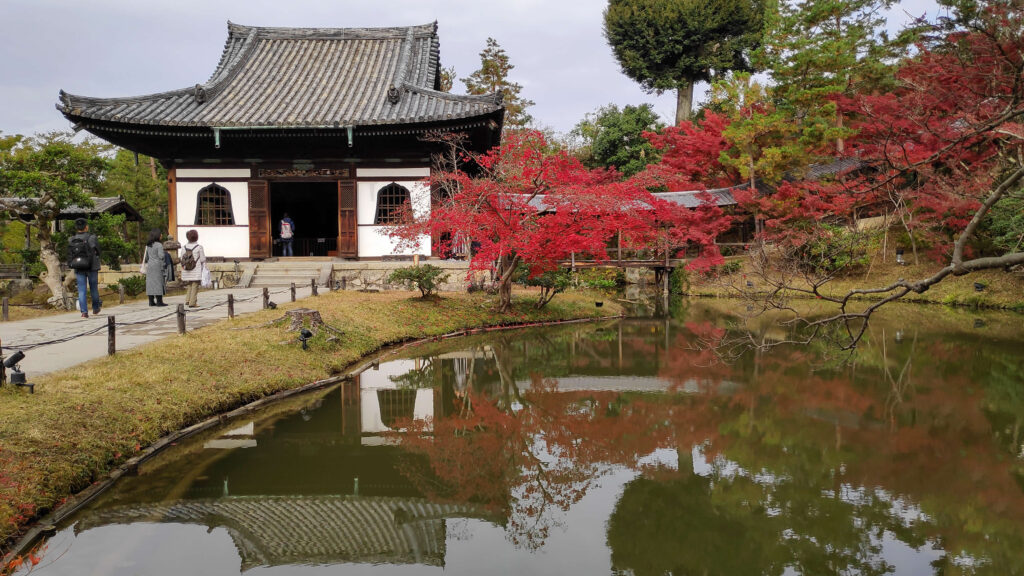
- Kiyomizu-dera Temple – iconic wooden stage with city views (¥400)
- Walk down Ninenzaka and Sannenzaka slopes – proper old Kyoto vibes
- Pop into tea shops and ceramic stores
Afternoon:
- Yasaka Shrine and Maruyama Park
- Walk the Philosopher’s Path if you’ve got energy (about 2km, gorgeous during cherry blossom season)
- Ginkaku-ji (Silver Pavilion) at the northern end (¥500)
Evening:
- Catch the sunset from Kodai-ji Temple or Yasaka Pagoda area
- Final Kyoto dinner – go for okonomiyaki or tonkatsu
Skip it if: You’re templed out. Kyoto has literally thousands of temples. It’s okay to be selective.
Day 9: Return to Tokyo & Your Last Night
Morning:
- Leisurely breakfast in Kyoto
- Last-minute shopping around Kyoto Station
Midday:
- Shinkansen back to Tokyo (¥13,320 – same price as the way there)
Afternoon/Evening:
Here’s where most itineraries tell you to visit Odaiba, Ginza, or Roppongi. And sure, those are fine options if you haven’t been yet.
But here’s my honest suggestion: Use your last night to revisit your favourite Tokyo neighbourhood. This is your chance to bookend the trip properly.
- Fancy more neon chaos? Go back to Shinjuku or Shibuya and find a different izakaya
- Want a more relaxed, food-focused evening? Head back to Asakusa for that old-school vibe
- Craving one last ramen fix? Hit up a spot you spotted earlier but didn’t have time for
Last night dinner: Splurge on sushi, ramen, or whatever Japanese food you’ve been craving (¥3,000-6,000 for a proper send-off meal)
Pro tip: This is your last chance to grab souvenirs. Hit up Don Quijote (open till midnight) for snacks and weird stuff to take home.
On a tighter budget? Check out my guide to Free Things to Do in Tokyo That Don’t Suck – there are loads of brilliant experiences that won’t cost you a cent.
Day 10: Final Tokyo Morning & Departure
Morning:
- Depends on your flight time
- Early flight: head straight to the airport
- Afternoon flight: final neighbourhood stroll or coffee in a kissaten (old-school cafe)
Airport transfer:
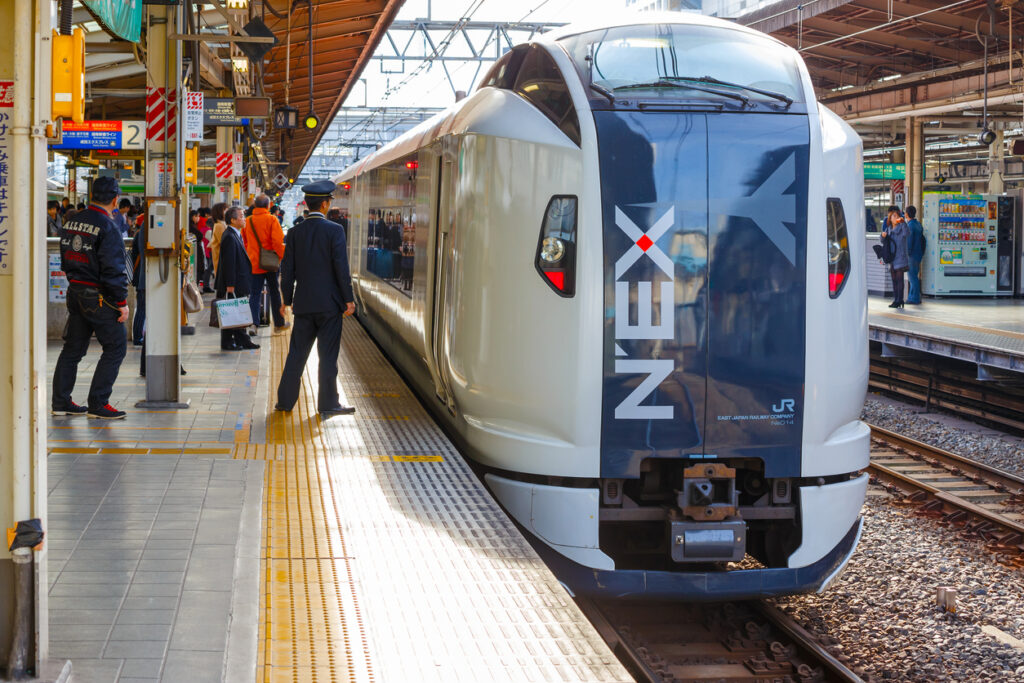
- Narita: Narita Express (1 hour, ¥3,070) or Keisei Skyliner (40 mins, ¥2,520)
- Haneda: Tokyo Monorail or Keikyu Line (20-30 mins, ¥500-600)
Essential Planning Tips
Money matters:
- Bring cash – lots of places still don’t take cards (curious why? I’ve written about why cash is still so popular in Japan)
- 7-Eleven ATMs work with international cards (small fee but reliable)
- Daily budget: ¥20,000-30,000 covers everything comfortably
- Drinks add up: A beer at an izakaya is ¥500-800, cocktails ¥800-1,500. Budget an extra ¥2,000-3,000 per day if you’re planning to have a few drinks with dinner
Transport:
- Skip the JR Pass – it doesn’t make financial sense for this route
- Tokyo-Kyoto return: ¥26,640 total (buy tickets on the day or book in advance)
- Get a Suica or Pasmo card for Tokyo/Kyoto subway and local trains (¥2,000 to start)
- Day trip costs: Hakone ¥6,100 (2-day pass), Nikko ¥2,800 return, Nara ¥1,440 return
Where to stay:
- Expect ¥10,000-20,000 per night for decent hotels (business hotels on the lower end, nicer places on the upper end)
- Book hotels near train stations – you’ll thank me later
When to go:
- Spring (March-May): Cherry blossoms but crowds
- Autumn (September-November): Fall colours and perfect weather
- Skip: Golden Week (late April-early May) and Obon (mid-August) – everything’s packed
Food:
- Breakfast: Konbini (¥300-700) or hotel breakfast
- Lunch: ¥800-1,500 at casual spots
- Dinner: ¥1,500-4,000 for decent meals
- Don’t sleep on standing sushi bars – cheap and delicious
What About the JR Pass?
Look, I know every travel blog bangs on about the JR Pass, but let’s do the maths for this specific itinerary:
JR Pass (7 days): ¥50,000
Individual tickets:
- Tokyo-Kyoto return: ¥26,640
- Hakone Free Pass (2-day): ¥6,100 or Nikko return: ¥2,800
- Nara day trip: ¥1,440
- Local transport in Tokyo/Kyoto: ¥3,000-4,000
- Total: roughly ¥37,000-38,000
You’d lose ¥12,000-13,000 with the JR Pass on this route. Only get one if you’re adding more long-distance trips (like Hiroshima, Osaka, or multiple day trips).
What I’d Skip (Controversial Opinions)
Look, everyone’s itinerary shows the same spots. Here’s what I reckon you can drop if you’re short on time:
- Tokyo Tower: Skytree’s better if you’re doing one observation deck
- Meiji Jingu Inner Garden: The main shrine’s enough unless you’re really into gardens
- Tsukiji Outer Market: It’s fine, but Nishiki Market in Kyoto beats it
- Imperial Palace grounds: Pretty but you can’t go inside without booking ages ahead
- Osaka: Controversial, but if you’ve only got 10 days, Kyoto’s more impressive
Add instead: An extra day in Kyoto, or a ryokan night with onsen in Hakone
Common First-Timer Questions
Is 10 days enough? Yep, it’s the sweet spot for hitting essentials without burnout.
Do I need to speak Japanese? Nah, you’ll be fine. Learn “sumimasen” (excuse me) and “arigatou gozaimasu” (thank you) and you’re golden. Want more? Check out my guide to essential Japanese words and phrases for first-time travellers.
What about luggage? Send it ahead with Yamato Transport (¥2,000-3,000 per bag). Beats dragging suitcases on trains.
Can I do this with kids? Absolutely. Japan’s incredibly family-friendly. Just adjust the pace and add more parks/downtime. I’ve got detailed guides for a 10-day Tokyo itinerary with kids and a 2-week Japan itinerary for families if you need kid-specific planning.
WiFi? Rent a pocket WiFi at the airport (¥6,000-8,000 for 10 days) or get an eSIM if your phone supports it.
Final Thoughts
This 10 Day Japan Itinerary for First-Timers covers Japan’s greatest hits without feeling like a forced march. I’ve walked these routes countless times, and this balance of Tokyo’s energy, Kyoto’s tradition, and manageable day trips works brilliantly for first-timers.
The real magic happens in the moments between the big sights – random ramen shops, quiet temple gardens before the crowds, conversations with locals at tiny bars. Don’t stress about seeing everything. You’ll be back. Japan has a way of doing that to people.
Before you go, you might want to read my 15 Things I Wish I Knew Before My First Japan Trip and avoid the 15 Rookie Mistakes First-Time Tokyo Visitors Make.
Need help planning? Drop questions in the comments. I’ve been visiting Japan since 2004 and love helping people nail their first trip.