Last Updated on April 14, 2026 by Vlad
A few months back I was at a tiny gyoza restaurant in Yokohama, proudly ordered my food, when the waitress asked me something. She was standing there clearly waiting for an answer. I smiled and nodded (classic) but she asked again and again… I tried to work it out without reaching for my phone, my face went red. A few slightly awkward minutes passed.
Then the elderly gentleman at the table next to me leaned over, and in perfectly good English asked if I’d like my beer now (ima) before the gyoza arrived.
That’s Japan in a nutshell. Yes, there are moments where the language gap catches you out. But someone almost always saves you, the food still arrives, and you end up with a great story to tell.
Quick answer: Yes, absolutely, you can survive Japan with only English. Japan is one of the easiest countries in the world to visit without speaking a word of the local language. Airports, trains, and major tourist areas are well set up for English speakers; translation apps handle the heavy lifting; and Japanese people still genuinely go out of their way to help. There are a handful of situations where you’ll struggle, but none of them will ruin your trip.
“Surviving” and “Thriving” Are Different Things
Japan is one of the most foreigner-friendly countries in the world, even if you don’t speak a word of Japanese. I’ve been visiting since 2004 and it’s gotten much easier every single year. The signage has improved, the apps have been invented and improved, and locals are more exposed to foreign tourists than ever before.
But there’s a meaningful difference between getting through a trip and actually getting the most out of it. This guide covers both; where English works brilliantly, where it genuinely falls short, and the simple things you can do to bridge that gap.
Where English Works Without Any Fuss
Japan hosted the 2019 Rugby World Cup and was gearing up for the 2020 Olympics before the pandemic hit. That forced an even bigger push on English signage, menus, and staff training, and most of it stuck.
Airports
Narita, Haneda, and Kansai International are almost fully bilingual. Arrivals, customs, rail connections, everything. All clearly signed in English. You won’t need to ask for help just to get out of the airport.
Trains and Getting Around
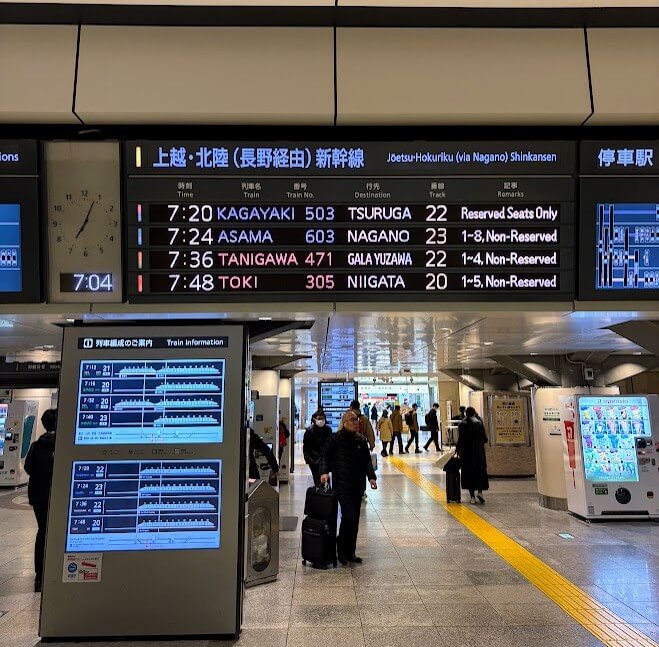
All major JR (and non-JR) and subway stations have English on the boards, clear signage in English, ticket machines, and apps. Google Maps gives step-by-step transit directions in English, including platform numbers and transfer instructions. Shinkansen announcements are made in both Japanese and English.
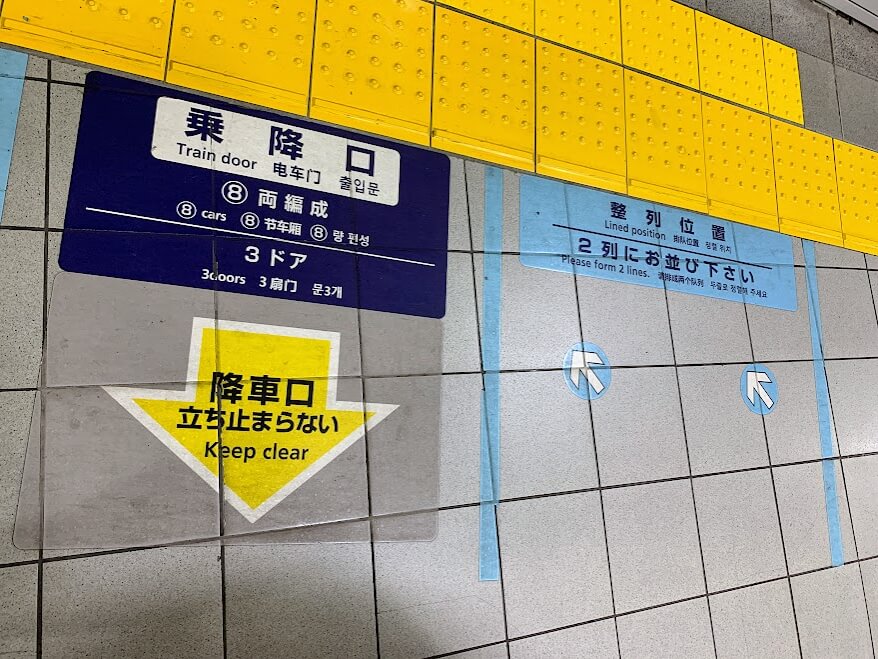
One practical tip worth acting on the moment you land: pick up a Suica, Pasmo or ICOCA card at the airport. These IC cards work on virtually every train, bus, and subway in Japan, and the top-up machines have English menus. You tap in, tap out, no need to figure out fares. They also work at convenience stores and vending machines. It’s the single most useful thing you can do before leaving the airport.
Hotels
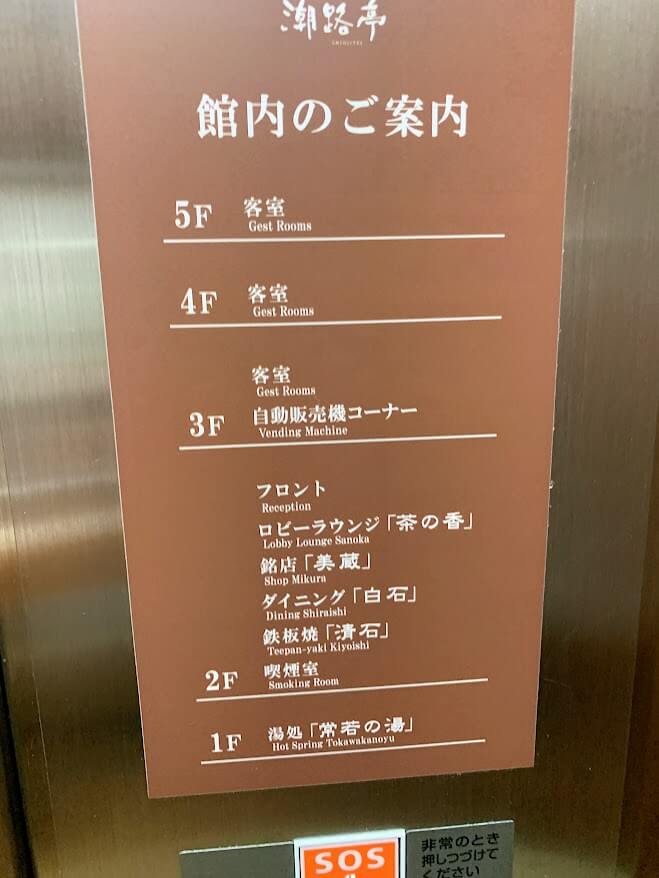
Any three-star-or-above hotel in a tourist area will have at least one English-speaking staff member at the front desk. Budget business hotels are reliable for this too. If you’re staying at a traditional ryokan, English support varies; higher-end ones and those in popular areas usually have it covered well, but a family-run super rural ryokan may not.
Major Tourist Attractions
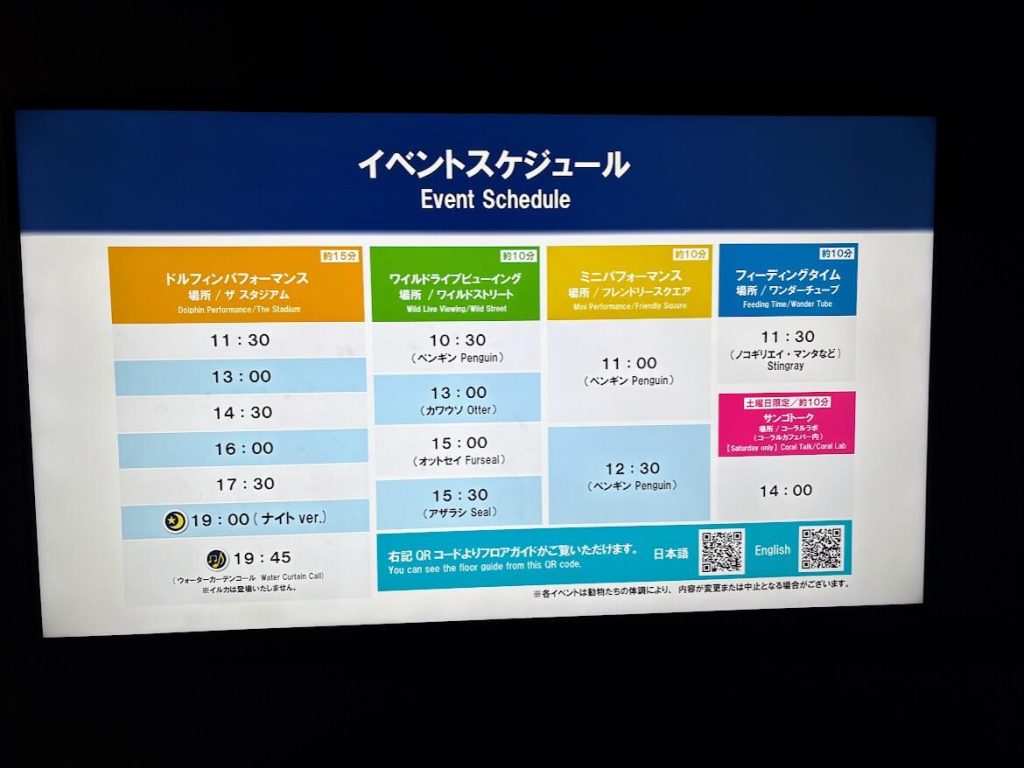
teamLab, Senso-ji, Fushimi Inari, Universal Studios Japan… the big draws all have English signage, English audio guides, and staff who can handle basic questions. Most major museums now have English-language exhibits or at minimum English descriptions alongside displays.
Convenience Stores
7-Eleven, FamilyMart, Lawson. Staff won’t (always) be fluent, but the checkout process is almost entirely point-and-press. Follow the screen, tap your IC card or hand over cash, done. Japanese convenience stores are genuinely excellent – food, toiletries, ATMs, phone charging – and navigating them requires no Japanese whatsoever.
ATMs
Japan is still more cash-reliant than most Western countries, so this matters: 7-Eleven ATMs and Japan Post ATMs reliably accept foreign cards and both offer an English interface. Many other ATMs in Japan don’t accept foreign cards, so these two are your go-to.
Where You’ll Need a Bit of Patience
Local Restaurants Without Picture Menus
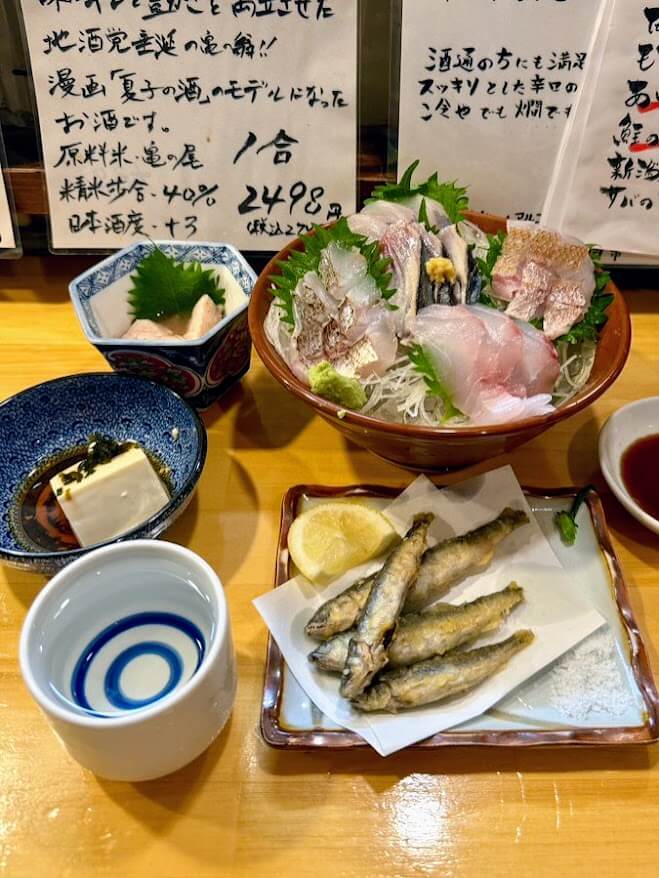
This is the most common sticking point, and the one you’ll hit most often. Ramen shops, izakayas, and neighbourhood teishoku joints often have handwritten menus entirely in Japanese. A few approaches that work well:
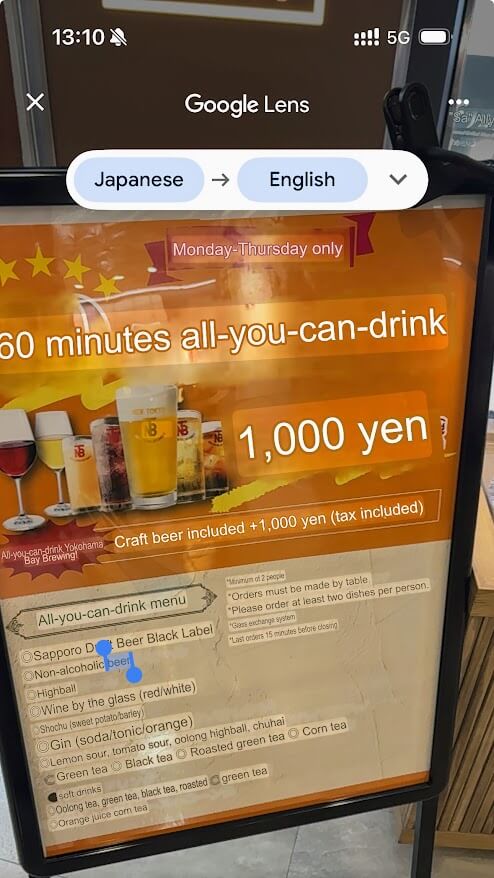
- Use Google Translate’s camera feature to read the menu in real time – it’s surprisingly accurate and works offline if you’ve downloaded the Japanese language pack. For best results do it two or three times.
- Look for plastic food displays out the front – a Japanese institution; what you see is exactly what you’ll get
- Stick to places with picture menus or QR code menus that have an English option
- Point and say “kore” (this one). Gesture at something on the next table – it works more often than you’d think
Making Reservations
Walk-in is fine for most casual places. But if you want to eat at a popular spot, like a ramen shop with limited seats, an omakase counter, or a well-known izakaya, reservations are often required, and many of these places only take bookings by phone. In Japanese.
Third-party services like Tableall and Pocket Concierge handle English bookings for higher-end restaurants, but for neighbourhood spots, your best option is to ask your hotel concierge to call ahead on your behalf (don’t be shy to ask).
Rural Areas and Small Towns
The further you get from the tourist trail, the less English you’ll encounter. Rural Tohoku, the Noto Peninsula, small onsen towns… expect less bilingual signage and staff who may not have dealt with many foreign visitors. That said, Japan’s rural areas are often where the best experiences are. Allow more patience, lean on apps, and if you’re genuinely stuck, look for someone young – younger Japanese people tend to be considerably more comfortable with conversational English.
Medical Situations
This is where language gaps can get genuinely stressful. English support at medical facilities varies significantly. Major cities have international clinics with English-speaking staff, but a local clinic in a smaller town may not.
AMDA International Medical Information Centre (03-5285-8088) can help connect you with English-speaking medical services if you’re stuck. Worth saving the number before you leave home.
Older Locals
Japanese schools historically focused on reading and writing English rather than speaking it. Many older people can read English reasonably well but feel genuinely uncomfortable speaking it. Don’t mistake hesitation for rudeness. People are often quietly mortified that they can’t help you better. The gentleman who leaned over in that gyoza restaurant was an exception, and the fact that he stepped in says a lot about the culture.
Your Japan English Toolkit
You don’t need to speak Japanese to travel Japan comfortably. You need a few things on your phone, and one card in your wallet.
- A Suica or IC card. Get one at the airport the moment you arrive. Load it up and you won’t need to think about train fares, buses, or most vending machines for the rest of the trip.
- Google Translate (with offline Japanese downloaded). Download the Japanese language pack before you leave home. The camera translation feature is a genuine game-changer for menus, signs, and product labels. No data required once the pack is downloaded.
- Google Maps (with offline maps saved). Download your destination city’s offline map. Works without data, gives you walking and transit directions, and uses English names for almost all locations.
- A local SIM, pocket wifi. Reliable data makes everything smoother. You can pick up a pocket wifi at the airport, or grab a data SIM at convenience stores or airport vending machines. You can also get an eSim online too. With a connection, all of the above work seamlessly on the go.
- ChatGPT. More useful than people expect. You can type or paste Japanese text and get a translation with actual context. Not just a word-for-word swap, but an explanation of what something means or how to respond appropriately. It handles nuance far better than a standard translation app when things get complicated. Several of my Japanese friends use it themselves when we’re chatting and they hit a concept that’s tricky to explain in English. If locals are using it to bridge the gap, you can too.
A Few Japanese Phrases Worth Knowing
You don’t need to speak Japanese. But knowing a handful of phrases will make locals warm to you immediately, and that makes the whole trip so much better.
| Phrase | Pronunciation | Use it when… |
|---|---|---|
| Sumimasen | soo-mee-mah-sen | Getting attention or apologising (use constantly) |
| Arigatou gozaimasu | ah-ree-gah-toh go-zai-mah-su | Saying thank you |
| Kore wo kudasai | ko-reh woh koo-dah-sai | Ordering (point at menu while saying it) |
| Eigo ga hanasemasu ka? | eh-go gah ha-na-seh-mah-su kah? | Do you speak English? |
| Toire wa doko desu ka? | toy-reh wah doh-ko deh-su kah? | Where is the toilet? |
Even a rough attempt at pronunciation earns a smile. Japanese people genuinely appreciate tourists who try.
For a more complete list, check out my guide to essential Japanese words and phrases for first-time travellers – it covers everything from ordering food to navigating train stations.
The Cultural Quirk That Catches Everyone Out
Asking yes/no questions.
It sounds simple, but this is the single thing that trips up English-only travellers most consistently. Ask “Is the train to Kyoto on this platform?” and you’ll often get a confident nod, even if the person didn’t fully understand you.
This isn’t evasiveness. Japanese culture places a high value on harmony and avoiding embarrassment. A confident nod is sometimes genuinely easier than admitting they didn’t follow the question. They’re not trying to mislead you; they’re trying to spare you both the awkwardness.
How to work around it:
- Show first, ask second. Pull up your phone with the destination, platform number, or map, and ask them to point rather than answer yes or no.
- Ask specific, closed questions. “Platform 3?” works better than “Is this the right platform for Kyoto?”
- Repeat back what you understood, and repeat is slowly. “So…I take this train, change at Shin-Osaka?” gives them a chance to gesture or correct you.
Station staff are almost always willing to point, gesture, or walk you to where you need to go. The system is on your side so trust it.
One more thing that makes a MASSIVE difference: SLOW DOWN. Speak slowly and clearly, drop the slang and pause between sentences. This applies across the board – young, old, hotel staff, restaurant workers. Japanese English education is strong on reading and writing but spoken English at natural speed is genuinely hard to follow. A slow, clear speaker gets understood a lot more. A fast one gets a polite nod and a guess.
Trust me on this. 22 years later I still need to slow down even when talking to my local Japanese friends.
The Honest Bottom Line
I’ve mentioned this a number of times – Japan is one of the easiest countries in the world to visit without speaking the local language. The infrastructure is excellent, translation apps do most of the heavy lifting, and the culture of going out of your way to help confused tourists is still deeply embedded despite all the overtourism publicity.
Will there be moments of confusion? Of course. Will you occasionally stare at a menu with no idea what half of it is? Definitely. Will you accidentally end up in the wrong train car? Possibly (speaking from experience).
But you won’t get stranded, you won’t go hungry, and you’ll leave with stories you couldn’t have planned for – like the elderly gentleman who leaned over to ask me if i’d like my beer now.