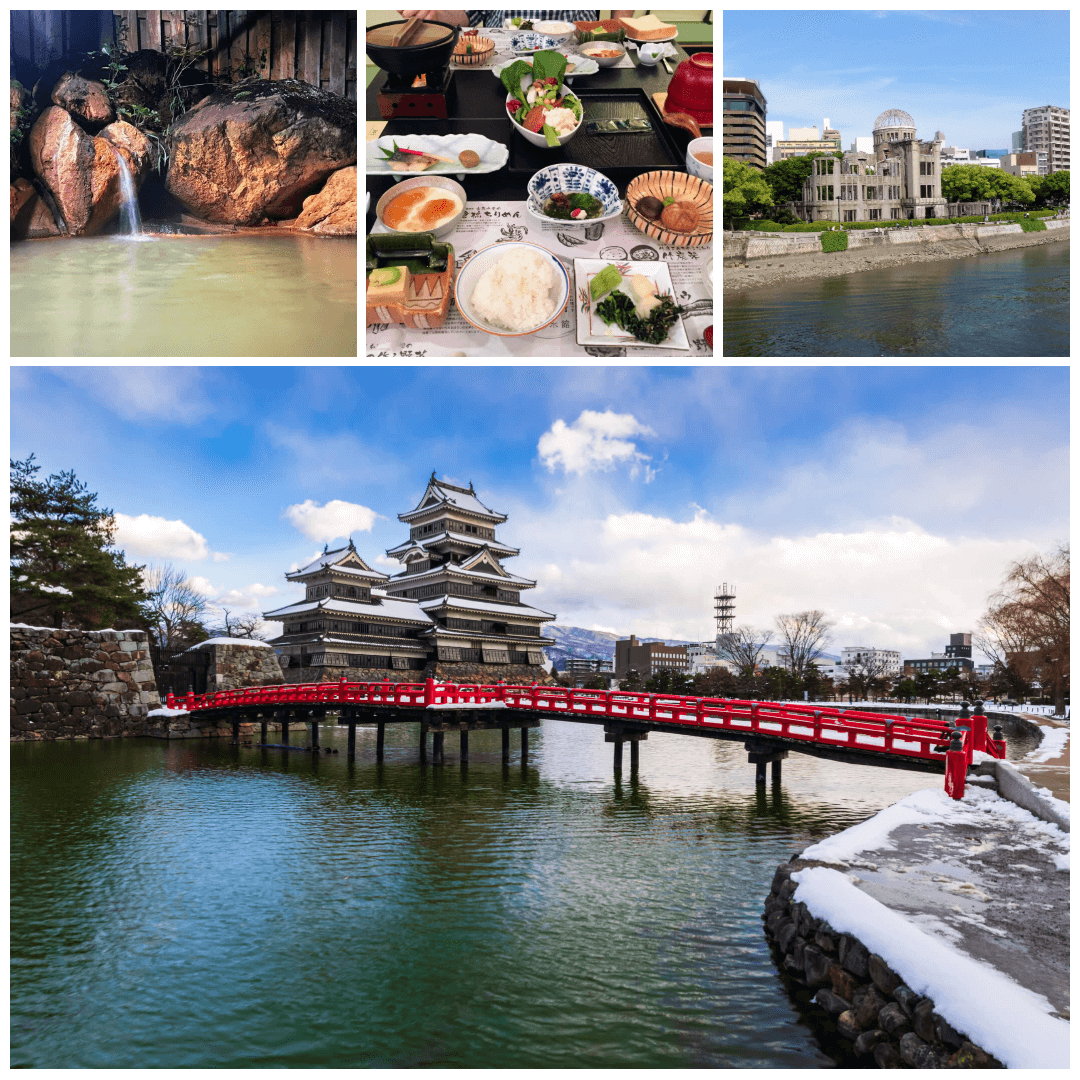
Last Updated on November 27, 2025 by Vlad
If you thought the 14-day history itinerary was comprehensive, buckle up. This 4-week journey takes you from Tokyo’s imperial palaces to Okinawa’s tropical battlefields, from samurai strongholds in the Japanese Alps to hidden Christian sites in Nagasaki. We’re covering 2,000 years of history across the length of Japan.
This isn’t for casual tourists. This is for people who get genuinely excited about visiting battlefields, who want to understand the Ryukyu Kingdom, and who don’t mind spending a full day exploring castle fortifications. If that sounds like you, you’re in the right place.
Who This Itinerary Is For:
- Serious history enthusiasts who want the complete picture
- People with 4 weeks to spare (obviously)
- First-time visitors who want to go deep rather than just hit the highlights
- Anyone fascinated by samurai, feudal Japan, WWII history, or ancient Buddhist culture
- Solo travellers or couples (less suited for families with young kids due to the intensity)
What Makes This Different:
- Covers EVERY major historical period from ancient Ryukyu Kingdom to WWII
- Includes famous battlefield sites (Sekigahara, Kawanakajima, Okinawa)
- Visits both well-known sites and off-the-beaten-path historical locations
- Written by a fellow history freak who’s actually been to most of the places multiple times
- Honest about what’s worth your time and what you can skip
- Realistic pacing so you’re not completely knackered by week two
- Includes authentic cultural experiences like traditional ryokan stays and temple lodging
📌 Not Sure If 4 Weeks Is Right for You?
If you’re wondering whether to commit to a full month in Japan, check out my 14 Day Japan Itinerary for History Lovers first. It covers the essential historical highlights (Tokyo, Kyoto, Hiroshima, Nara, Himeji) in half the time. Think of it as the “greatest hits” version, while this 4-week itinerary is the complete album with B-sides and deep cuts.
The 14-day version is perfect if you:
- Have limited holiday time
- Want to test if intensive history travel suits you
- Prefer a faster pace with fewer destinations
- Have budget constraints
This 4-week itinerary builds on that foundation by adding the Japanese Alps, battlefield sites, Kyushu, Okinawa, and more immersive cultural experiences like ryokan stays and temple lodging.
📚 Essential Reading for History Lovers:
- 14 Day Japan Itinerary for History Lovers – The condensed version if 4 weeks is too much
- Japan’s Most Famous Samurai Castles – Deep dive into castle architecture
- Exploring Japan’s Most Iconic Samurai Warriors – Meet the legends
- The 10 Most Famous Samurai Battles in History – Understanding the conflicts that shaped Japan
- JR Pass Calculator – Essential for working out your rail pass strategy
Key Considerations Before You Go
The JR Pass Situation:
For 4 weeks, you’ve got options. The standard 21-day JR Pass costs ¥100,000 (roughly $1,000 AUD). Here’s my recommended strategy:
- Option 1: 21-day JR Pass + regional passes for the remaining week
- Option 2: Two 14-day JR Passes back-to-back (¥160,000 total but maximum flexibility)
- Option 3: Mix of JR Pass + individual tickets for Okinawa/Kyushu
My pick? Start with a 21-day JR Pass for weeks 1-3, then use the JR Kyushu Rail Pass (3-day pass for about ¥10,000) for Nagasaki/Kumamoto, and book separate flights/tickets for Okinawa since there’s no JR there.
Important: Okinawa has NO JR trains. You’ll need to fly there (about ¥15,000-25,000 return from mainland) and use local buses, rental cars, or taxis.
Use our JR Pass Calculator to work out the exact costs for your specific route.
Best Time to Visit:
For a 4-week trip covering this much ground:
- Autumn (September-November): My top pick. Comfortable weather everywhere except maybe early Okinawa. Beautiful foliage in the Alps and Kyoto.
- Spring (March-May): Cherry blossoms are stunning but prepare for crowds and higher prices. Okinawa is perfect this time.
- Winter (December-February): Cheap and less crowded, but cold in northern regions. Okinawa is lovely though.
- Summer (June-August): Hot and humid everywhere. Only do this if you have no choice. Okinawa is typhoon season.
Budget Reality Check:
Let’s be honest – 4 weeks in Japan isn’t cheap. Here’s what you’re looking at:
- Rail passes: ¥100,000-160,000
- Accommodation: ¥10,000-20,000/night × 28 nights = ¥280,000-560,000
- Food: ¥5,000-7,000/day × 28 days = ¥140,000-196,000
- Attractions: ¥3,000-5,000/day × 28 days = ¥84,000-140,000
- Okinawa flights: ¥15,000-25,000
- Total: ¥619,000-1,081,000 ($6,190-10,800 AUD)
This is for mid-range travel. Add more if you want nicer hotels or plan to eat at fancy restaurants, or you drink often.
What to Pack:
- Really comfortable walking shoes (you’ll do 15,000+ steps daily for a month)
- Layers for different climates (cool mountains vs tropical Okinawa)
- Day backpack
- Portable charger
- Cash (many temples and rural areas don’t take cards)
- Small first aid kit (blisters are real after 4 weeks of walking)
- Respectful temple clothing
Physical Fitness:
This itinerary is demanding. You’ll climb castle stairs, hike mountain temples, and walk through sprawling historical sites. If you have mobility issues or limited stamina, consider:
- Adding extra rest days
- Skipping some of the more physically demanding sites (Mount Koya, some mountain temples)
- Using taxis more liberally
- Booking hotels near stations to minimise walking with luggage
Week 1: Tokyo and Eastern Japan
Days 1-4: Tokyo – Imperial Capital and Modern Metropolis
Day 1: Arrival and Eastern Tokyo
Morning:
- Arrive at Narita or Haneda Airport
- Activate your 21-day JR Pass at the airport
- Take JR trains to your hotel (stay near Tokyo or Shinjuku Station)
- Drop bags, grab quick lunch
Afternoon:
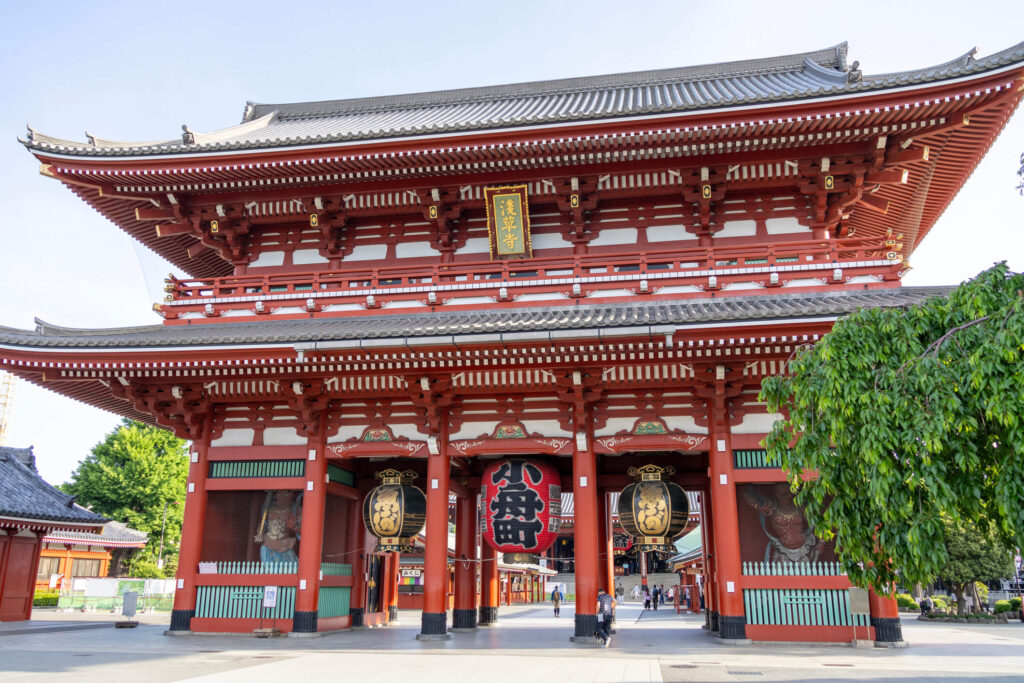
- Visit Senso-ji Temple in Asakusa (Tokyo’s oldest temple, founded 628 AD)
- Walk through Nakamise Shopping Street
- Check out the Asakusa Culture Tourist Information Centre rooftop for views
Evening:
- Explore the Sumida area
- Light dinner – you’ll be jet-lagged
Historical Context: Senso-ji was dedicated to Kannon after local fishermen found a statue in the Sumida River. It’s survived countless disasters and bombings, making it a symbol of Tokyo’s resilience.
Tip: Get to Senso-ji by 7 AM to beat the crowds. The atmosphere is magical in the early morning light.
Day 2: Imperial Tokyo
Morning:
- Visit Imperial Palace East Gardens (free, closed Mondays/Fridays)
- See the remaining Edo Castle fortifications
- The massive stone walls give you a sense of the castle’s original scale
Afternoon:
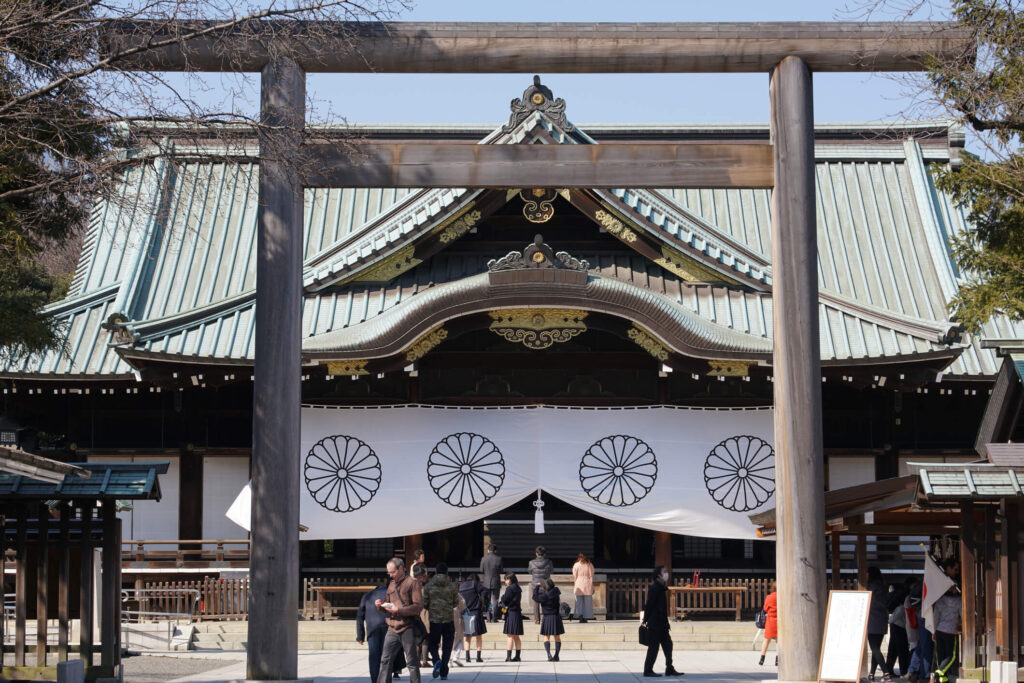
- Yasukuni Shrine – Japan’s most controversial war memorial
- Adjacent Yushukan Museum (¥1,000) shows Japan’s military history from a Japanese perspective
- This is politically sensitive but historically important to understand
Late Afternoon:
- Meiji Shrine – dedicated to Emperor Meiji who modernised Japan
- The contrast between Yasukuni and Meiji Shrine is deliberate in this itinerary
Historical Context: Emperor Meiji transformed Japan from feudal backwater to modern power in just 40 years. The Meiji Restoration (1868-1912) ended samurai rule and set Japan on a path to become an imperial power.
Food Tip: Try tonkatsu (breaded pork cutlet) at Tonki in Meguro. Been there since 1939 and still brilliant.
Day 3: Museums and Modern History

Morning:
- Tokyo National Museum in Ueno Park (¥1,000)
- Incredible collection of samurai armour, swords, and Edo Period artefacts
- Spend at least 3 hours here – there’s so much to see
Afternoon:
- Explore Ueno Park – historically significant as it was the site of a major battle during the Boshin War
- Toshogu Shrine in the park (dedicated to Tokugawa Ieyasu)
- Walk through Ameya-Yokocho black market street
Evening:
- Head to Akihabara if you want to see modern Japanese pop culture
- Or just rest – you’ve got 27 more days ahead
Why It’s Great: The Tokyo National Museum is world-class. If you love samurai history, you could easily spend a full day here.
Day 4: Northern Tokyo and Edo Culture
Morning:
- Visit Nezu Shrine (quieter, beautiful grounds)
- Explore Yanaka – one of Tokyo’s few neighbourhoods that survived WWII bombing
- Walking through Yanaka feels like stepping back to Edo-period Tokyo
Afternoon:
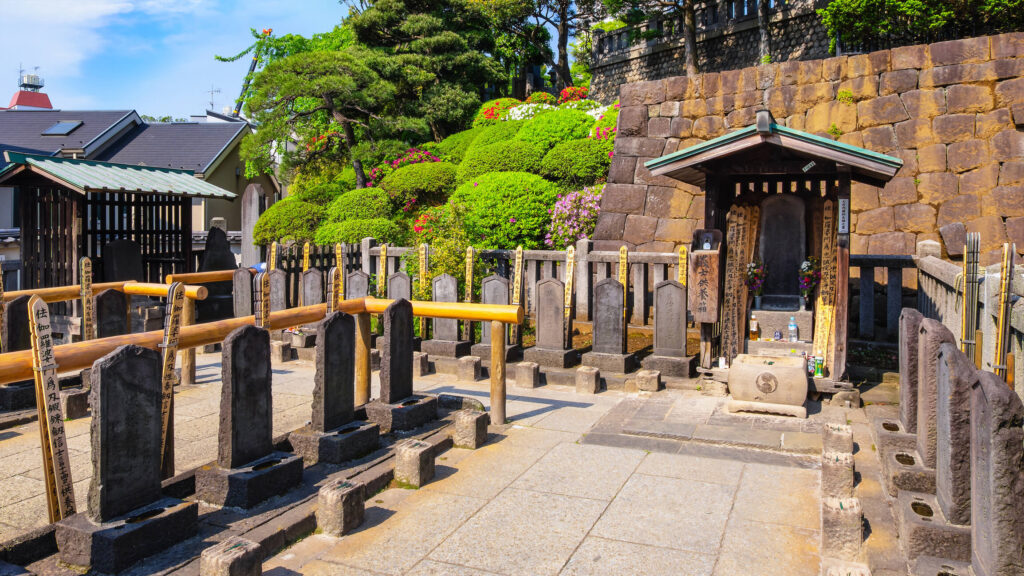
- Sengaku-ji Temple – burial place of the 47 Ronin
- This temple honours the most famous samurai loyalty story in Japanese history
- Entry: ¥500
Evening:
- Explore Roppongi or Shibuya
- You’ve earned a nice dinner after 4 days of history
Historical Context: The 47 Ronin story (1701-1703) exemplifies bushido values. After their lord was forced to commit seppuku, his samurai became ronin (masterless) and spent two years planning revenge before attacking their enemy. They succeeded, then committed ritual suicide. It’s the ultimate tale of loyalty and honour.
What to Skip: Tokyo Skytree. It’s fine but not historically significant, and you’ve got limited time.
Day 5: Nikko – Tokugawa Splendour

Morning:
- Take JR trains from Tokyo to Nikko (2 hours via Utsunomiya)
- Start at Toshogu Shrine (¥1,300) – Tokugawa Ieyasu’s lavish mausoleum
- Over 5,000 carvings including the famous three monkeys
Afternoon:
- Taiyuin Mausoleum (¥550) – Tokugawa Iemitsu’s resting place
- Rinnoji Temple – founded 766 AD
- Futarasan Shrine – one of Nikko’s oldest sites
Evening:
- Return to Tokyo or (better option) stay overnight in Nikko
- If staying, this gives you time to explore more tomorrow
Historical Context: Tokugawa Ieyasu united Japan after winning the Battle of Sekigahara in 1600. His dynasty ruled for 268 years, bringing stability after centuries of civil war. Toshogu Shrine was his grandson’s way of cementing Tokugawa legitimacy through overwhelming architectural splendour.
Tip: Arrive by 9 AM or the tour buses will make your life miserable. Nikko is stunning but gets absolutely packed.
Day 6: Nikko Area or Return to Tokyo
Option A: More Nikko
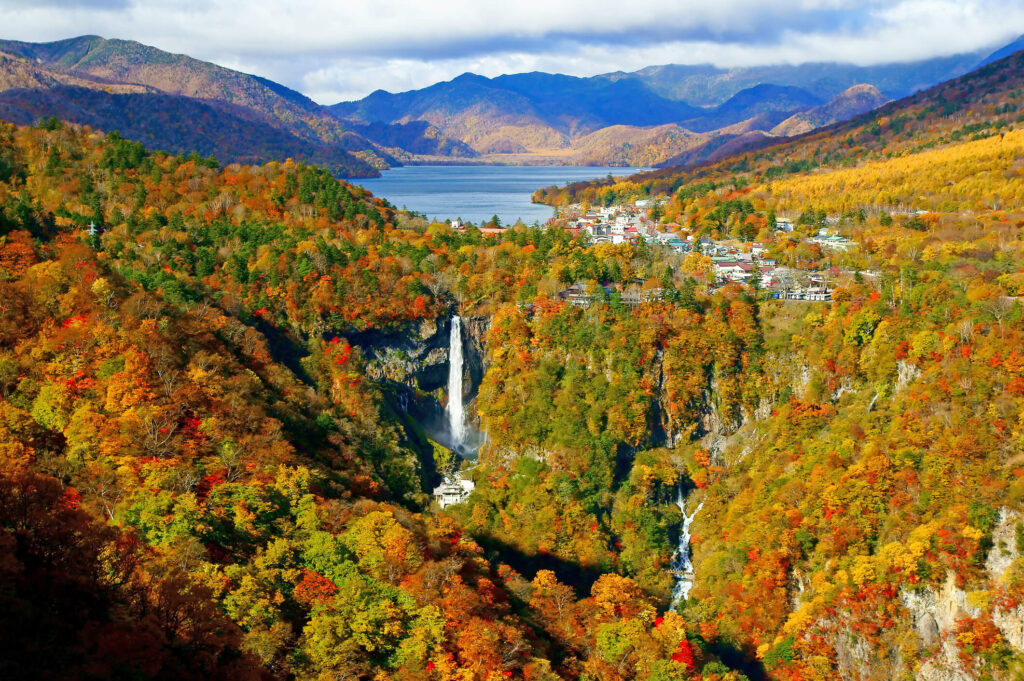
- Hike around Lake Chuzenji
- Visit Kegon Falls
- See Akechidaira Plateau for mountain views
Option B: Return to Tokyo
- Travel back in the morning
- Afternoon free in Tokyo for anything you missed
- Rest day before tomorrow’s trip to Aizu-Wakamatsu
My Pick: Option A if weather is good. The natural scenery around Nikko is beautiful and gives you a break from temple-heavy days.
Days 7-8: Aizu-Wakamatsu – Samurai Tragedy and the Boshin War
Day 7: Travel and Introduction to Aizu
Morning:
- Take JR trains from Tokyo/Nikko to Aizu-Wakamatsu (3-4 hours)
- Check into your hotel
Afternoon:
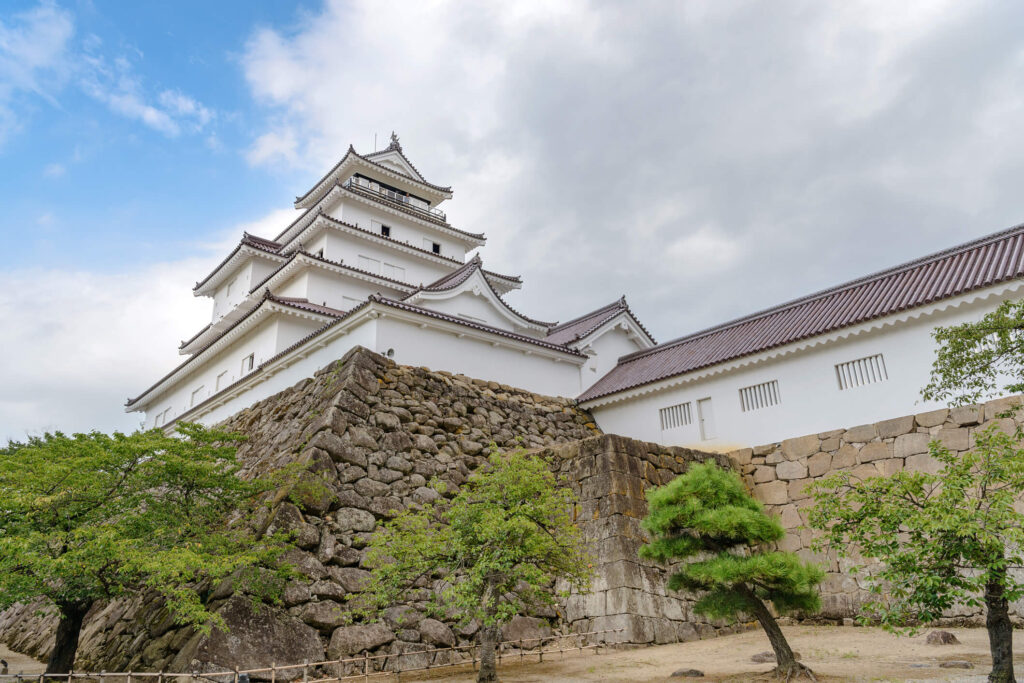
- Visit Tsuruga Castle (¥510)
- This castle was the last stand of the Aizu domain during the Boshin War
- The castle held out for a month against imperial forces in 1868
- Interior has excellent displays about the siege
Evening:
- Walk around the castle area at night (beautifully lit)
- Dinner near your hotel
Historical Context: The Boshin War (1868-69) was Japan’s civil war between forces supporting the Emperor (Meiji Restoration) and those loyal to the Tokugawa shogunate. Aizu was one of the shogunate’s most loyal domains and paid dearly for it.
Why Visit Aizu: Most tourists skip Aizu, but it’s crucial for understanding the end of the samurai era. The Meiji Restoration wasn’t bloodless – there were real battles, real casualties, and tragic consequences.
Day 8: White Tiger Brigade and Samurai Heritage

Morning:
- Visit Iimoriyama (Mount Iimori) and the White Tiger Brigade memorial
- These were teenage samurai who committed mass suicide when they mistakenly thought the castle had fallen
- The site is emotionally heavy but historically significant
- Entry: Free
Afternoon:
- Aizu Bukeyashiki (Samurai Residence) – ¥850
- See how samurai families actually lived
- Oyakuen Garden – beautiful traditional garden
- Entry: ¥330
Evening:
- Return to Tokyo by JR train (3-4 hours)
- Arrive back in Tokyo for the night
Personal Experience: Standing at Iimoriyama, looking at where these 16-17 year old boys took their own lives, hits different. They were so young. The tragedy of the Boshin War really sinks in here. It’s not glorious samurai history – it’s heartbreaking.
Food Tip: Try Aizu’s local sake – the region is famous for it. Also, try kozuyu, a traditional local soup.
Day 9: Kamakura – Japan’s First Samurai Capital

Morning:
- Take JR Yokosuka Line from Tokyo to Kamakura (1 hour)
- Visit Tsurugaoka Hachimangu Shrine
- Established by Minamoto no Yoritomo, Japan’s first shogun, in 1191
Afternoon:
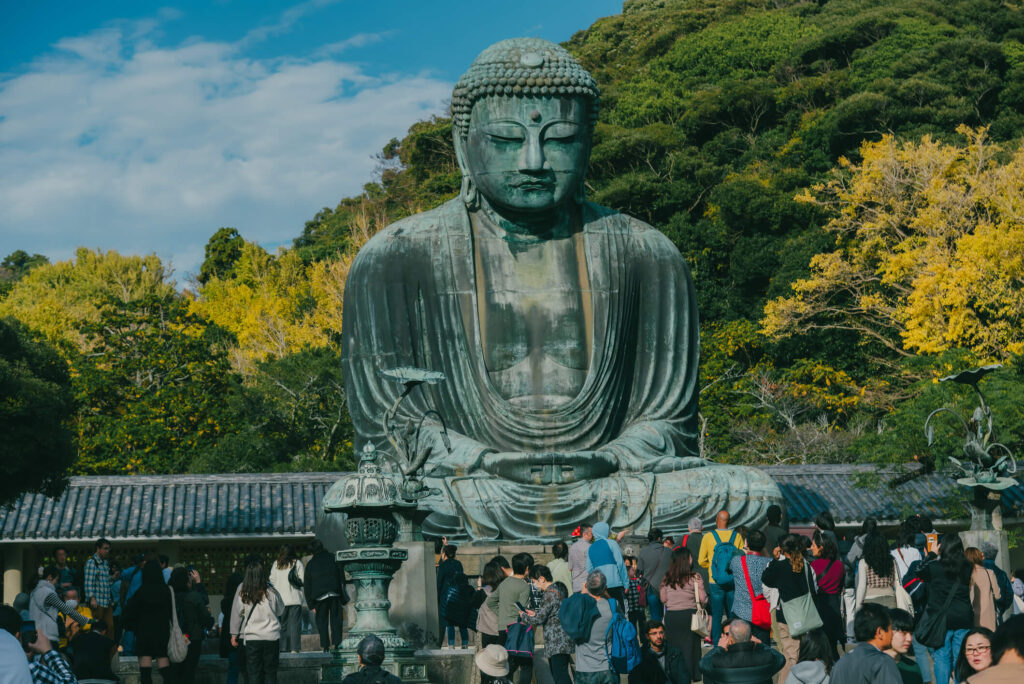
- See the Great Buddha (Daibutsu) at Kotoku-in (¥300)
- This 13.35-metre bronze statue has stood since 1252
- Visit Hasedera Temple (¥400) for coastal views
- Walk to Zeniarai Benten – a shrine where washing money supposedly multiplies it
Evening:
- Ride the Enoden Line along the coast
- Return to Tokyo
Historical Context: Kamakura was Japan’s political centre from 1185-1333 under the Kamakura shogunate. This marked the beginning of samurai rule – a system that would last nearly 700 years until the Meiji Restoration.
What I Love: Kamakura still feels like a samurai town. It’s coastal, compact, and you can sense the history in the narrow streets and hilltop temples.
Week 2: Japanese Alps and Central Japan
Day 10: Travel to Matsumoto
Morning/Afternoon:
- Take JR trains from Tokyo to Matsumoto (2.5-3 hours)
- Check into hotel
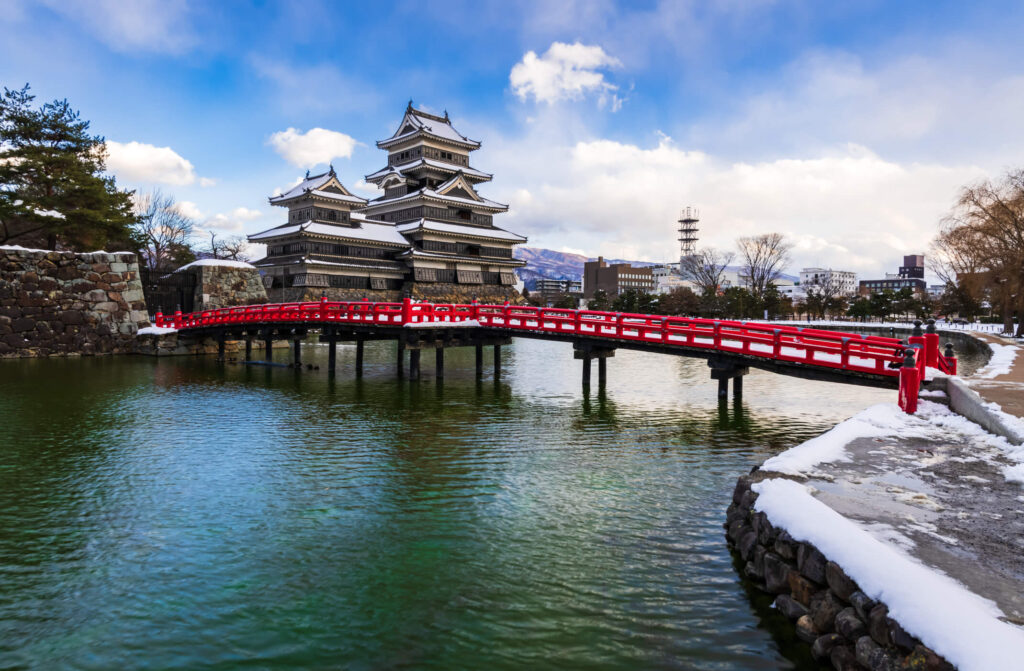
- Visit Matsumoto Castle (¥700)
- This is one of Japan’s finest original castles (not a reconstruction)
- The black exterior earned it the nickname “Crow Castle”
Evening:
- Explore Nakamachi Street – preserved merchant district
- Try soba noodles – Nagano Prefecture is famous for them
Historical Context: Matsumoto Castle was built in 1590s during the Sengoku (Warring States) period. Unlike many castles designed to look impressive, Matsumoto was built for serious warfare – notice the gun ports and defensive features.
Why It’s Great: After seeing Himeji Castle later, Matsumoto gives you a different castle style. Where Himeji is white and elegant, Matsumoto is dark and imposing. Both are originals and both are brilliant.
Days 11-12: Takayama and Traditional Ryokan Stay
Day 11: Matsumoto to Takayama
Morning:
- More time at Matsumoto Castle if you want
- Or visit Matsumoto City Museum for local history
Afternoon:
- Travel to Takayama (2.5 hours by JR)
- Check into your traditional ryokan
- Drop your bags and change into provided yukata (cotton robe)
Evening:
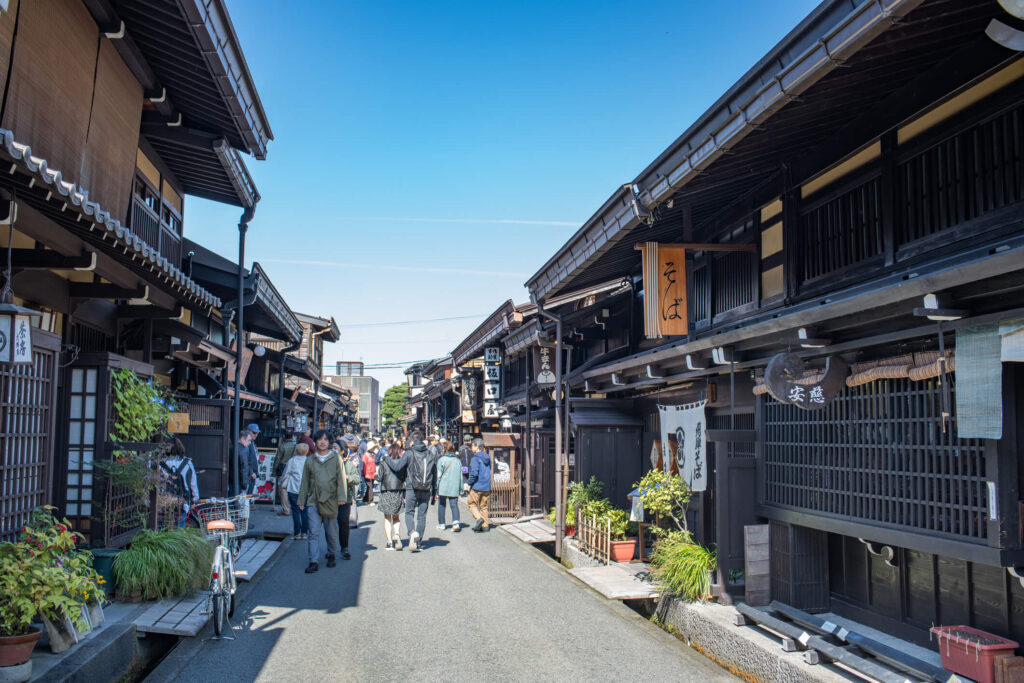
- Walk through Sanmachi Suji – preserved Edo-period streets
- Return to ryokan for kaiseki dinner (usually served 6-7 PM)
- After dinner, enjoy the onsen (hot spring bath)
Where to Stay: Traditional Ryokan
This is where you absolutely should stay in a traditional ryokan. Takayama has several older establishments that give you an authentic glimpse into Japanese hospitality culture that’s barely changed in centuries.
Recommended ryokans:
- Hoshokaku – Been around since the Meiji Period, beautiful traditional building
- Wanosato – Rustic mountain-style ryokan with excellent onsen
- Honjin Hiranoya Bekkan – Historic inn with antique furnishings
- Cost: ¥15,000-30,000 per person including dinner and breakfast

What to Expect:
The ryokan experience is living history. You’ll sleep on futon laid out on tatami mats, bathe in an onsen, and eat multi-course kaiseki meals that follow centuries-old traditions. The formal service, the seasonal ingredients, the way meals are presented – it’s all part of Japanese cultural heritage that’s been refined over generations.
When I stayed at a traditional ryokan in Takayama, the innkeeper (an elderly woman who’d been running the place for 40+ years) explained every course of the kaiseki dinner. The level of care and attention to seasonal detail was mind-blowing. This isn’t just a place to sleep – it’s an education in Japanese aesthetics and hospitality.
Ryokan Etiquette Basics:
- Remove shoes at entrance, wear provided slippers
- Don’t wear slippers on tatami mats
- Yukata provided for wearing around the ryokan
- Onsen: wash thoroughly BEFORE entering the bath (separate shower area provided)
- Onsen are gender-separated, entered naked (no swimsuits)
- Dinner served at set time – don’t be late
- Futon will be laid out while you’re at dinner
- Breakfast usually 7-8 AM
Why Takayama for Ryokan:
While you could stay at a ryokan anywhere, Takayama makes perfect sense because:
- The whole town is preserved Edo-period atmosphere
- You’re already here for 2 nights
- It’s not Tokyo prices
- The mountain setting and older ryokans feel more authentic than some modern city options
- After walking through historic streets all day, sleeping in a traditional inn completes the immersion
Booking Tip: Reserve at least 1-2 months ahead, especially for autumn foliage season. Many traditional ryokans have limited rooms and fill up quickly.
Day 12: Takayama and Shirakawa-go
Morning:
- Traditional Japanese breakfast at your ryokan (usually 7-8 AM)
- Grilled fish, miso soup, rice, pickles, tamago (egg), and various small dishes
- Check out of ryokan (usually 10 AM)
- Visit Takayama Jinya (¥440)
- This was the government office during Edo Period – only surviving example of its kind in Japan
Afternoon:
- Day trip to Shirakawa-go (bus: ¥2,600 return, about 50 minutes each way)
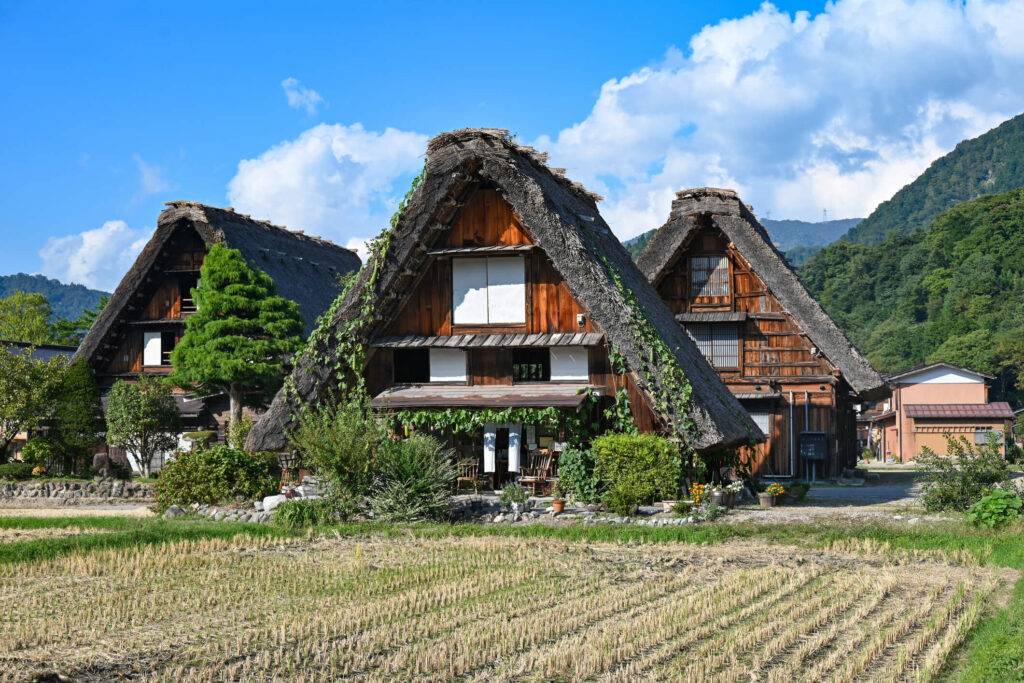
- UNESCO World Heritage Site with traditional gassho-zukuri farmhouses
- These steep thatched roofs were designed for heavy snow
- Some houses are 250+ years old and still inhabited
- Entry to some houses: ¥300-500
Evening:
- Return to Takayama
- Last walk through the old town at dusk
- Enjoy dinner somewhere in town (since you had ryokan meals last night)
- Try Hida beef – the local speciality that rivals Kobe
What Makes Takayama Special:
This mountain town was too remote to modernise quickly during the Meiji Period, so the Edo-period merchant houses survived intact. Combined with your ryokan stay, you’re basically living in a time capsule. The morning markets (Jinya-mae Market and Miyagawa Market) have been running since the Edo Period. The sake breweries use traditional methods. Even the way people speak has older dialect preserved.
Pairing the preserved streets with a traditional ryokan stay isn’t just smart planning – it’s the most immersive historical experience you’ll have outside of the temple stay at Mount Koya.
Tip: Shirakawa-go is touristy but worth seeing. The village shows how rural Japanese families lived for centuries. Go early (first bus around 8-9 AM) to avoid the worst crowds. Winter with snow is magical but buses can be affected by weather.
Day 13: Takayama to Kanazawa
Morning:
- Take JR train to Kanazawa (2.5 hours)
- Check into hotel
Afternoon:
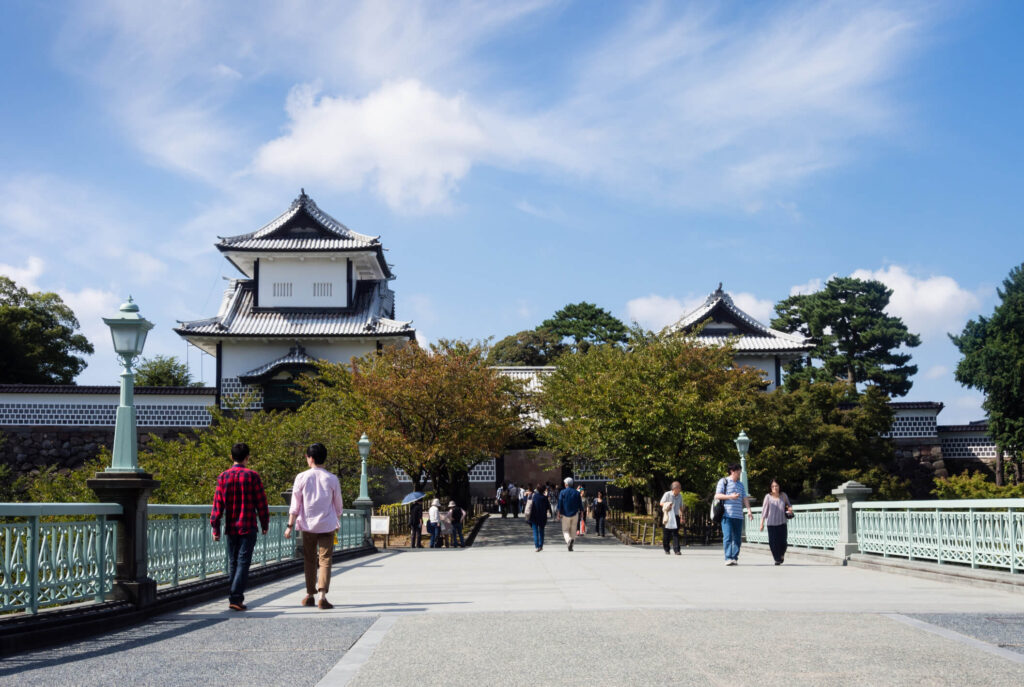
- Visit Kanazawa Castle Park (¥320)
- The castle was reconstructed, but the park and gardens are beautiful
- Explore Kenrokuen Garden (¥320) – one of Japan’s “three great gardens”

Evening:
- Walk through Higashi Chaya District (geisha district)
- These tea houses date from the Edo Period
What’s Great: Kanazawa was spared WWII bombing, so historical districts survived intact. It’s like Kyoto but with fewer tourists.
Day 14: Kanazawa Historical Districts
Morning:
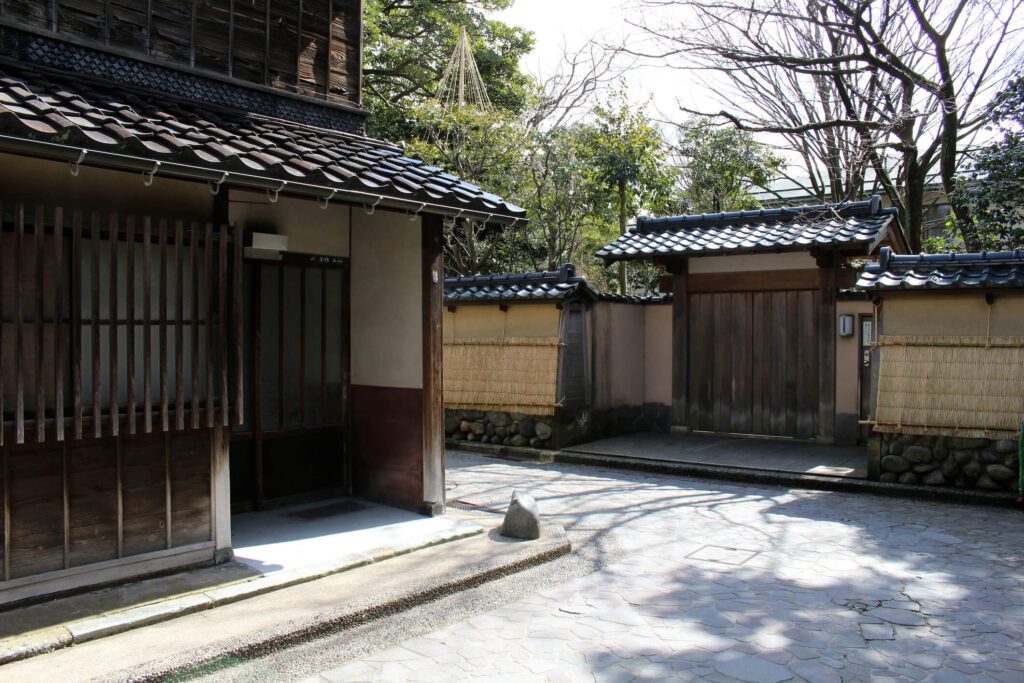
- Explore Nagamachi Samurai District
- Visit Nomura Samurai House (¥550) – beautifully preserved
- Walk through the earthen walls and narrow lanes
Afternoon:
- 21st Century Museum of Contemporary Art – skip this, you’re here for history
- Instead, visit Myoryuji (Ninja Temple) – ¥1,000
- This temple has hidden tunnels, trap doors, and secret rooms
- Booking required
Evening:
- Try Kanazawa’s famous sushi – the seafood here is incredible
- Or sample Kaga cuisine, the local traditional food
Why Visit: Kanazawa shows you what samurai districts actually looked like. The narrow streets, earthen walls, and traditional houses give you a sense of Edo-period urban planning.
Days 15-16: Sekigahara and Nagano (Battlefield Tour)
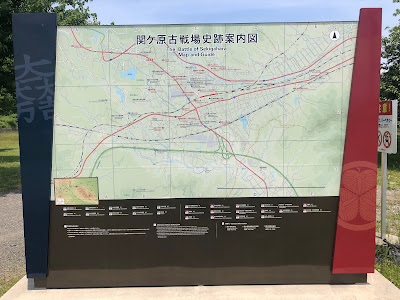
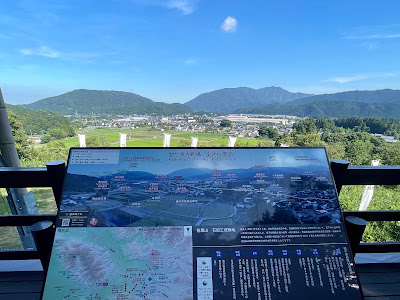
This is where the itinerary gets flexible. You’ve got two options:
Option A: Battlefield Tour (for hardcore history fans)
Day 15:
- Travel from Kanazawa towards Kyoto, but stop at Sekigahara
- Visit the Sekigahara Battlefield Memorial Museum (¥500)
- Walk the actual battlefield where Tokugawa Ieyasu won Japan in 1600
- See the various army positions marked with monuments
Day 16:
- Continue to Nagano
- Visit Zenkoji Temple – one of Japan’s most important Buddhist temples
- Day trip to Kawanakajima Battlefield where Takeda Shingen and Uesugi Kenshin fought five legendary battles
- Continue to Kyoto in evening
Option B: Direct to Kyoto (more relaxed)
Day 15-16:
- Travel from Kanazawa to Kyoto (2.5 hours)
- Extra time in Kyoto
- Use these days to rest before the intensive Kyoto/Nara week
My Take: If you’re truly into samurai history and have read about these battles, Option A is brilliant. Walking the actual ground where Sekigahara was fought – where 160,000 men fought and where Japan’s fate was decided – is spine-tingling stuff. But if you’re starting to feel temple fatigue, Option B gives you recovery time.
For this itinerary, I’ll assume Option A because you’re doing the 4-week version, which means you’re serious.
Historical Context – Sekigahara: On October 21, 1600, the Battle of Sekigahara decided who would rule Japan. Tokugawa Ieyasu’s Eastern Army faced Ishida Mitsunari’s Western Army. The battle lasted only 6 hours, but the outcome shaped 268 years of Japanese history. Key moment: Kobayakawa Hideaki’s betrayal, when he switched sides mid-battle, sealing the Eastern Army’s victory.
For more on Sekigahara, check out our detailed post on The 10 Most Famous Samurai Battles in History.
Week 3: Kansai Region and Western Japan
Days 17-19: Kyoto – 1,000 Years as Imperial Capital
Day 17: Eastern Kyoto
Morning:
- Arrive in Kyoto from Nagano/Sekigahara
- Check into hotel near Kyoto Station
- Visit Kiyomizu-dera Temple (¥400)
Afternoon:
- Walk through Higashiyama District preserved streets
- Visit Yasaka Shrine
- Explore Gion district
Evening:
- Walk along Shirakawa Canal at dusk
- This is peak Kyoto atmosphere
Tip: You could spend 2 weeks in Kyoto and still not see everything. We’re hitting the historical highlights, but feel free to add extra days if you’re loving it.
Day 18: Western and Northern Kyoto

Morning:
- Kinkaku-ji (Golden Pavilion) – ¥500
- Ryoan-ji (Zen rock garden) – ¥500
Afternoon:
- Ninnaji Temple (¥500)
- Kitano Tenmangu Shrine – famous for plum blossoms and connections to scholarship
Evening:
- Nishiki Market for dinner
- Try Kyoto’s traditional foods
What Makes Kyoto Different: As Japan’s imperial capital for 1,000+ years, Kyoto developed a refined culture that still exists today. The city was deliberately spared from WWII bombing, which is why so much survives.
Day 19: Central Kyoto and Fushimi

Morning:
- Nijo Castle (¥1,300) – where the last shogun resigned
- Kyoto Imperial Palace (free, book ahead)
Afternoon:
- Travel to Fushimi Inari Shrine
- The thousands of red torii gates are stunning
- Hike to the top (2-3 hours return) or just do the lower section
Evening:
- Pontocho Alley for dinner
- Narrow street with traditional restaurants
Historical Significance: Nijo Castle is where Tokugawa Yoshinobu formally resigned as shogun in 1867, ending 700 years of samurai rule. The ornate rooms show Tokugawa power at its peak, making the resignation more poignant.
Day 20: Nara Day Trip

Morning/Afternoon:
- Day trip to Nara from Kyoto (45 minutes)
- Todai-ji Temple (¥600) – Japan’s largest bronze Buddha
- Kasuga Taisha (¥500)
- Nara Park with the deer
- Kofuku-ji Temple
Evening:
- Return to Kyoto
Why Nara Matters: As Japan’s capital from 710-794 AD, Nara represents Buddhism’s establishment in Japan. The scale of Todai-ji shows the power of the emperor and Buddhist institutions in the 8th century.
Tip: The deer in Nara Park can be aggressive when they smell food. Keep your belongings secure and don’t tease them with deer crackers. They bow when asking for food, which is adorable, but they also bite and headbutt if you’re not quick enough.
Day 21: Osaka and Osaka Castle

Morning:
- Travel to Osaka (30 minutes from Kyoto)
- Check into hotel or do as day trip
Afternoon:
- Osaka Castle (¥600)
- The castle is a 1931 concrete reconstruction, but the stone walls and moats are original
- Shitennoji Temple (¥300) – founded 593 AD
Evening:
- Dotonbori for dinner and nightlife
- Try takoyaki, okonomiyaki, kushikatsu
Historical Context: Osaka Castle was built by Toyotomi Hideyoshi, the warlord who unified Japan before Tokugawa. The castle fell to Tokugawa forces in 1615 during the Summer Siege of Osaka, eliminating the Toyotomi clan and solidifying Tokugawa control.
Day 22: Himeji Castle


Morning:
- Travel from Osaka/Kyoto to Himeji (1 hour Shinkansen or local JR)
- Visit Himeji Castle (¥1,000)
- Spend 3-4 hours here – this is Japan’s most spectacular castle
Afternoon:
- Continue to Hiroshima (1 hour Shinkansen from Himeji)
- Check into Hiroshima hotel
- Light exploration near hotel
Evening:
- Rest – tomorrow is emotionally heavy
Personal Take: Himeji Castle is absolute paradise for castle lovers. It’s never been destroyed, so you’re seeing the real thing from 1609. The defensive maze, the aesthetic beauty, the engineering genius – it’s all there. When I visit Himeji, I feel like a kid in a lolly shop. Don’t rush this one.
Read more about why Himeji is special in our Japan’s Most Famous Samurai Castles guide.
Days 23-24: Mount Koya – Buddhist Mountain Retreat

Day 23: Journey to Mount Koya
Morning/Afternoon:
- Travel from Hiroshima back towards Osaka area
- Take the Nankai Line to Mount Koya (complex journey but JR Pass covers part)
- Arrive at Mount Koya by afternoon
- Check into temple lodging (shukubo)
Evening:
- Evening prayers at your temple
- Traditional vegetarian Buddhist dinner (shojin ryori)
- Early to bed – temple schedule starts early
What’s Mount Koya: The headquarters of Shingon Buddhism, founded by Kobo Daishi in 816 AD. Over 100 temples dot this mountain top, and 52 offer lodging. Staying overnight is the point – you experience Buddhist monastic life.
Cost: Temple stays cost ¥10,000-15,000 per person including dinner and breakfast.
Day 24: Mount Koya Exploration
Morning:
- Wake up for morning prayers (around 6 AM)
- Buddhist breakfast
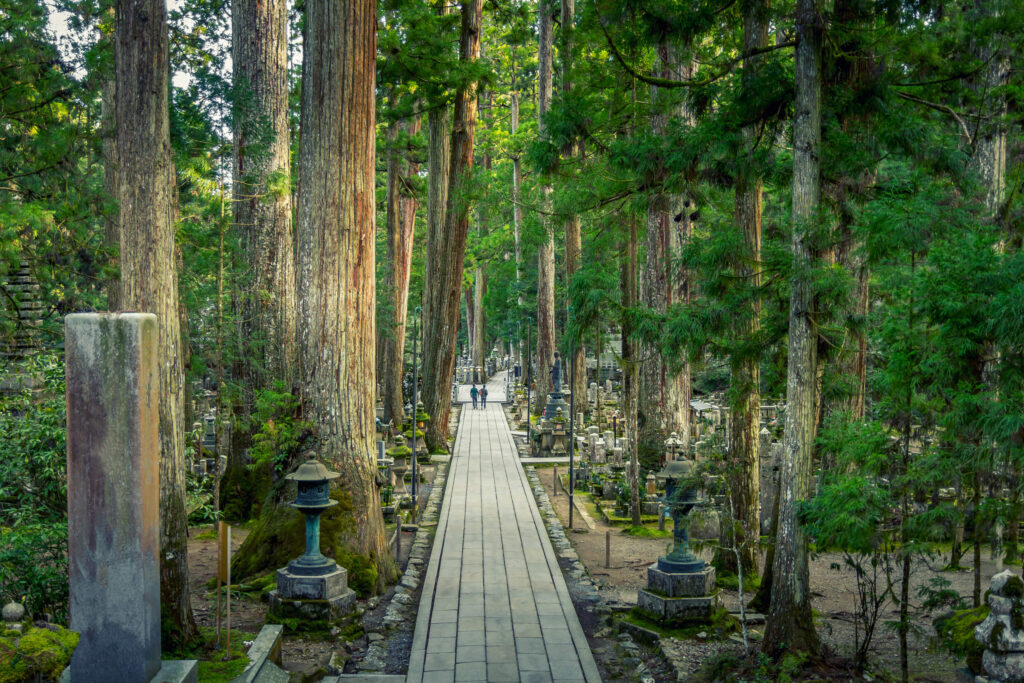
- Visit Okunoin Cemetery – Japan’s largest cemetery
- Walk the 2km path through ancient cedars past 200,000+ graves
- Kobo Daishi Mausoleum at the end – still believed to be meditating
Afternoon:
- Kongobu-ji Temple (¥500) – head temple of Shingon Buddhism
- Danjo Garan temple complex
- Travel down mountain towards Hiroshima
Why It’s Special: Mount Koya gives you a completely different aspect of Japanese history – the religious and spiritual side. After all the warfare and castles, this mountain retreat shows Japan’s contemplative traditions.
Tip: Book temple lodging well in advance, especially during peak seasons. Not all temples accept foreign guests, so use the Mount Koya tourism website for bookings.
Days 25-26: Hiroshima and Miyajima
Day 25: Hiroshima
Morning/Afternoon:
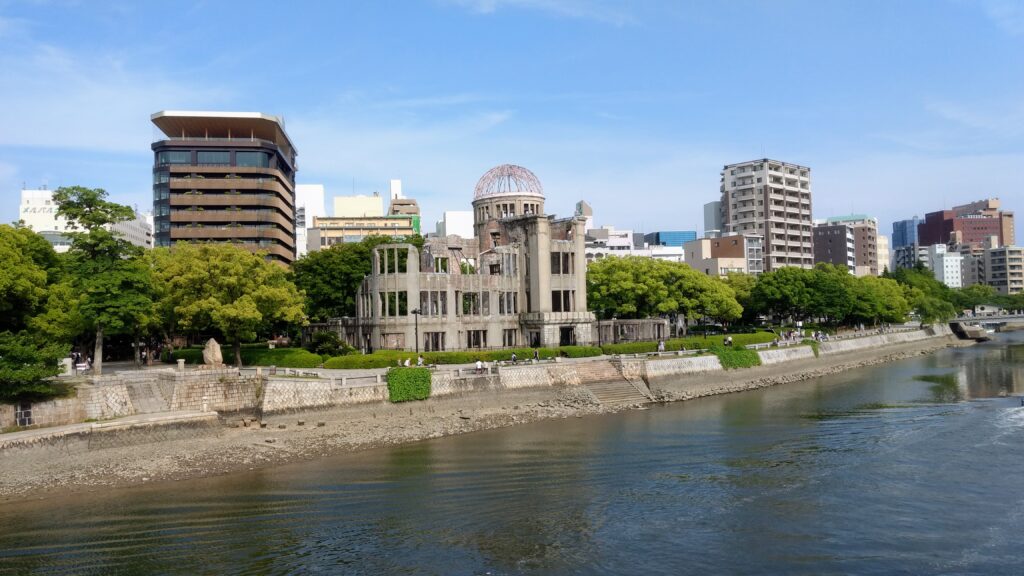
- Hiroshima Peace Memorial Park and Museum (¥200).
- This is intense. When I walked through here, the weight was overwhelming. You realise the immense suffering and also humanity’s capacity for both destruction and reconciliation.
- Take your time. Don’t rush this.
- Visit the official site here
Evening:
- Quiet dinner near your hotel
- Process what you’ve seen
Historical Context: On August 6, 1945, at 8:15 AM, the atomic bomb “Little Boy” detonated over Hiroshima. An estimated 80,000 people died instantly. By the end of 1945, the death toll reached 140,000. The city has rebuilt itself as a testament to peace.
Important: This isn’t entertainment. You’re bearing witness to one of history’s darkest moments. Approach with respect and humility.
Day 26: Miyajima Island

Morning:
- Take JR train + ferry to Miyajima (covered by JR Pass)
- Visit Itsukushima Shrine (¥300)
- The “floating” torii gate is iconic
- Check tide times – it looks completely different at high vs low tide
Afternoon:
- Hike Mount Misen or take the ropeway (¥2,000 return)
- Walk through Momijidani Park
- See Daisho-in Temple
Evening:
- Return to Hiroshima
- Try Hiroshima-style okonomiyaki for dinner
Why After Hiroshima: Miyajima’s natural beauty and spiritual peace provides essential balance after Hiroshima’s emotional weight. It reminds you that Japan is more than its darkest chapter.
Tip: Stay overnight on Miyajima if possible. The island after day-trippers leave is magical. Early morning at Itsukushima Shrine with no crowds is worth the extra cost.
Week 4: Kyushu and Okinawa
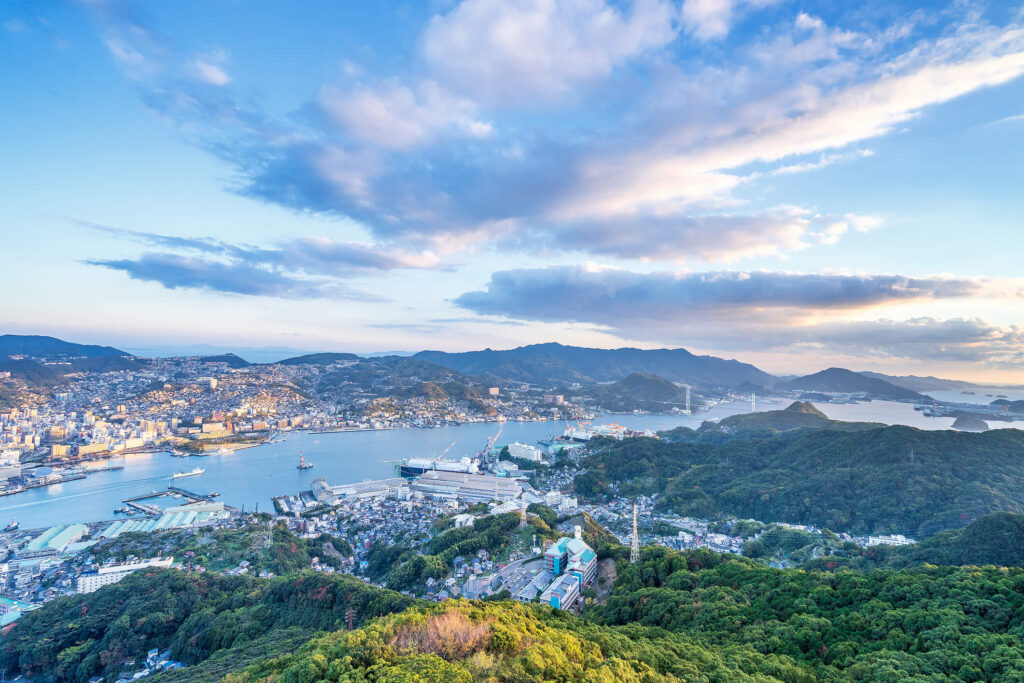
Days 27-28: Nagasaki – Hidden Christians and Atomic History
Day 27: Travel and Nagasaki Introduction
Morning:
- Travel from Hiroshima to Nagasaki (2.5-3 hours by Shinkansen + limited express)
- This is where your JR Kyushu Pass might come in handy if your 21-day pass has expired
- Check into Nagasaki hotel
Afternoon:
- Visit Nagasaki Atomic Bomb Museum (¥200)
- Hypocenter Park – ground zero of the bomb
- Peace Park with the Peace Statue
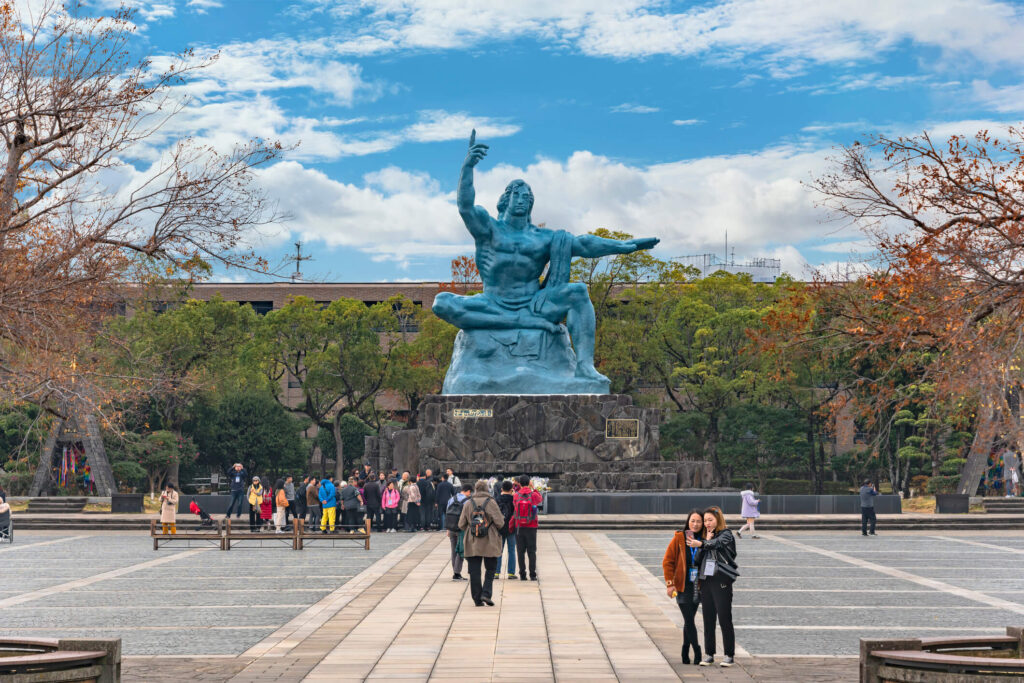
Evening:
- Walk around Nagasaki Harbour
- Dinner in Chinatown – Nagasaki has strong Chinese influences
Historical Context: On August 9, 1945, three days after Hiroshima, the atomic bomb “Fat Man” was dropped on Nagasaki. The original target was Kokura, but cloud cover forced the bomber to Nagasaki. About 40,000 people died instantly, with the total reaching 70,000+ by year end.
Difference from Hiroshima: Nagasaki’s hills contained the blast somewhat. The museum is smaller but equally moving. Some find it even more tragic because it was the second bomb – proof that one wasn’t enough to force surrender.
Day 28: Nagasaki’s Hidden Christian History

Morning:
- Oura Church (¥600) – Japan’s oldest standing church (1865)
- Glover Garden (¥620) – historic Western residences
- Learn about Nagasaki’s role as Japan’s only window to the West during isolation
Afternoon:
- Twenty-Six Martyrs Museum (¥600)
- Tells the story of Christians crucified here in 1597
- Explains Japan’s complicated relationship with Christianity
- If time, visit Dejima – the Dutch trading post
Evening:
- Try champon (Nagasaki noodle dish) or shippoku ryori (fusion cuisine)
Why Nagasaki Matters: This city represents Japan’s engagement with the outside world – both its openness (Dutch trade, early Christianity) and its isolation (persecution of Christians, closed country policy). Plus the atomic bomb legacy. Nagasaki is complex.
Hidden Christian Sites: If you’re really into this history, some villages outside Nagasaki are UNESCO sites showing where Christians practised in secret for 250 years. Need a car to reach them though.
Day 29: Kumamoto
Morning/Afternoon:
- Travel from Nagasaki to Kumamoto (2-2.5 hours)
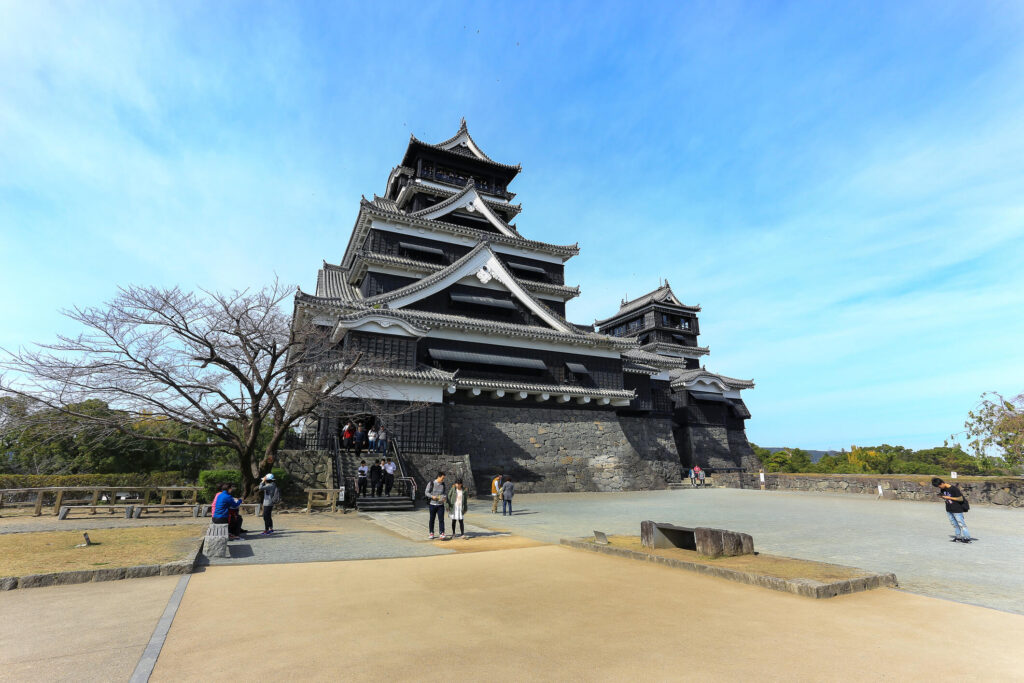
- Visit Kumamoto Castle
- The castle was heavily damaged in 2016 earthquakes and is being reconstructed
- Entry: ¥800 (limited access due to restoration)
- Can view from outside and see the impressive stone walls
Late Afternoon:
- Suizenji Garden (¥400) – beautiful traditional garden
- If time permits, visit Honmyo-ji Temple
Evening:
- Travel to airport for flight to Okinawa
- Or stay in Kumamoto and fly out tomorrow morning
Historical Note: Kumamoto Castle was considered impregnable and withstood a 50-day siege during the 1877 Satsuma Rebellion (the last samurai uprising). Much of the castle burned during that siege, was rebuilt, then damaged again by earthquakes. It’s a phoenix that keeps rising.
Reality Check: Kumamoto is partially here to break up the journey to Okinawa. The castle is impressive but under reconstruction. If you’re running short on time or energy, you could skip Kumamoto and fly directly from Nagasaki to Okinawa.
Days 30-33: Okinawa – Ryukyu Kingdom and Battle of Okinawa
Day 30: Arrival and Southern Okinawa
Morning:
- Fly from Kumamoto (or Nagasaki/Fukuoka) to Naha, Okinawa (1.5-2 hours)
- Pick up rental car at airport (recommended) or prepare to use buses/taxis
- Okinawa is spread out – car makes life easier
Afternoon:
- Visit Himeyuri Peace Museum (¥310)
- Tells the story of Okinawan schoolgirls mobilised as nurses
- Extremely moving
- Himeyuri no To (memorial tower)
Evening:
- Check into hotel in Naha
- Walk around Kokusai Dori (International Street)
- Try Okinawan food – it’s different from mainland Japan
Welcome to Okinawa: This isn’t just “Japan’s Hawaii.” Okinawa was an independent kingdom (Ryukyu Kingdom) for 450 years before Japan annexed it in 1879. The culture, language, food, and history are distinct. Treat it as such.
Day 31: Battle of Okinawa Sites
Morning:
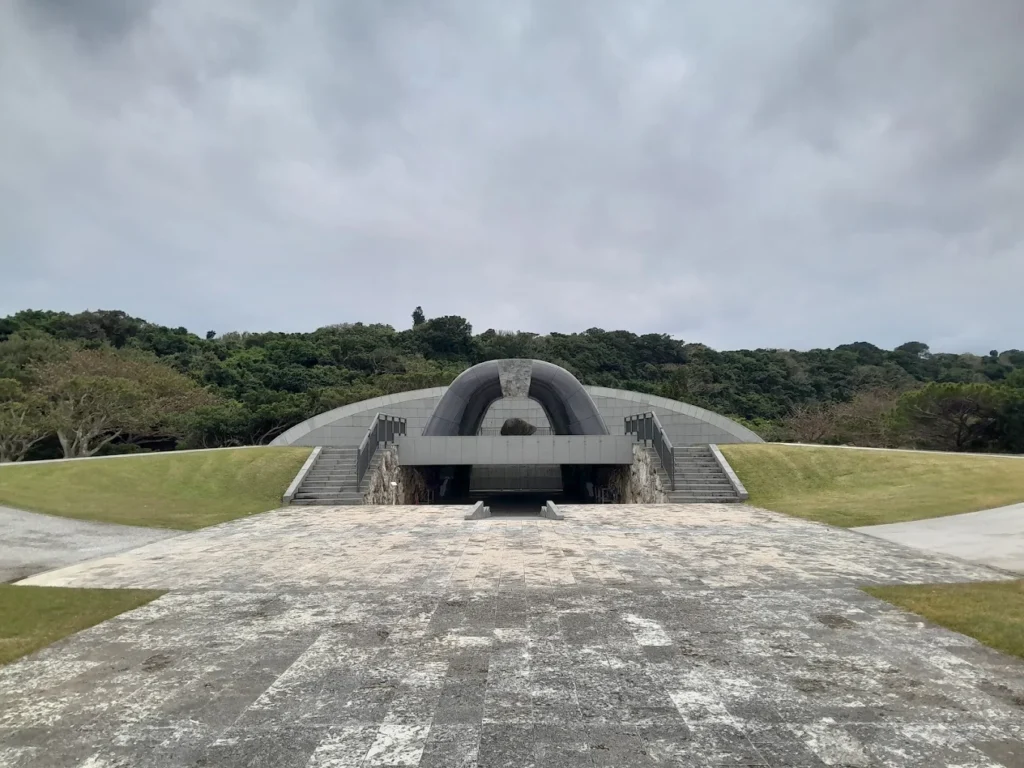
- Okinawa Prefectural Peace Memorial Museum (¥300)
- Peace Memorial Park – names of all who died carved in stone
- Cornerstone of Peace – includes American, Korean, Taiwanese names too
Afternoon:
- Former Japanese Navy Underground Headquarters (¥600)
Evening:
- Return to Naha
- Quiet evening
Historical Context: The Battle of Okinawa (April-June 1945) was the bloodiest battle in the Pacific War. Over 100,000 Japanese soldiers died, along with 12,000+ Americans. But worst of all, 100,000-150,000 Okinawan civilians were killed – caught between two armies on their home island. Many were forced into suicide by the Japanese military.
Personal Take: Okinawa hits differently than Hiroshima or Nagasaki. The civilian toll, the coercion, the fact that Okinawans were treated as expendable by mainland Japan – it’s a different kind of tragedy. The museum doesn’t shy away from Japanese military atrocities against Okinawans.
Day 32: Ryukyu Kingdom History
Morning:
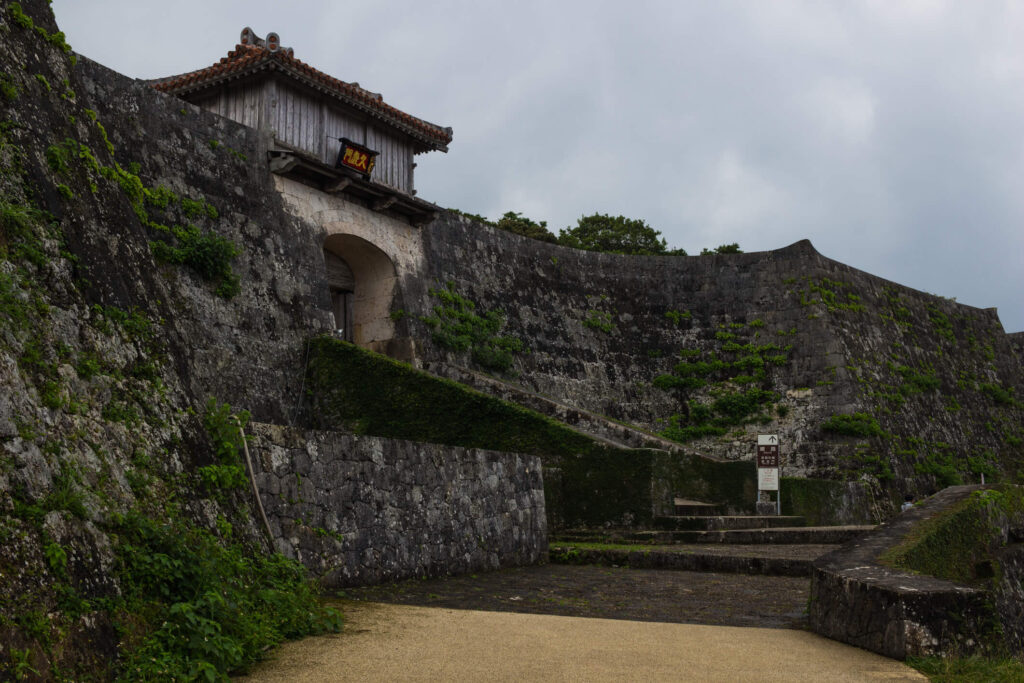
- Shuri Castle (¥400 once reopened – currently being rebuilt after 2019 fire)
- Former palace of Ryukyu Kings
- Even with reconstruction, the site and surviving structures are worth seeing
Afternoon:
- Tamaudun Mausoleum (¥300) – royal tombs
- Shikinaen Garden (¥400) – royal garden
- Okinawa Prefectural Museum (¥530) – covers Ryukyu Kingdom history
Evening:
- Dinner in Naha
- Try goya champuru, Okinawa soba, rafute (braised pork belly)
- Sample awamori (Okinawan spirit)
Historical Context: The Ryukyu Kingdom (1429-1879) was a tributary state to China while also trading with Japan, Korea, and Southeast Asia. The kingdom had its own language, culture, and royal family. Japan forcibly annexed it in 1879 and suppressed Ryukyu culture. This history shapes Okinawa’s complicated relationship with mainland Japan today.
Day 33: Northern Okinawa or Beach Day
You’ve been going hard for 32 days. You’ve earned options:
Option A: More History
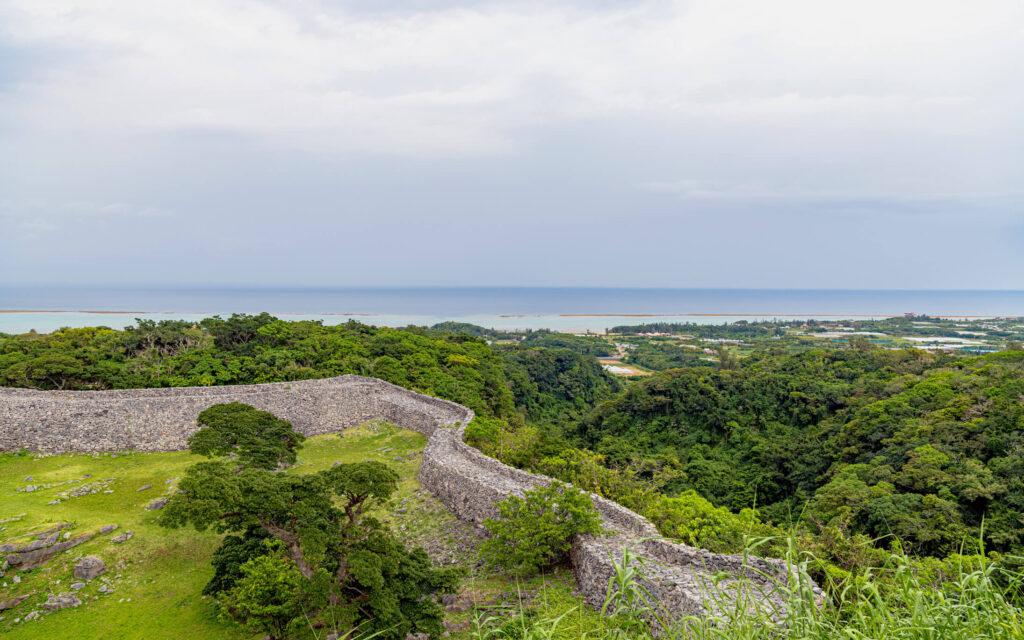
- Drive to Nakijin Castle Ruins (¥600) in northern Okinawa
- UNESCO World Heritage Site
- Former castle of northern Ryukyu kingdom
- Ocean Expo Park and Okinawa Churaumi Aquarium if you fancy something different
Option B: Beach Recovery
- Head to one of Okinawa’s beautiful beaches
- Manza Beach, Emerald Beach, or Sunset Beach
- Just relax. You’re at the end of 4 weeks. Your feet hurt. It’s okay to rest.

My Recommendation: Split the day. Morning at Nakijin Castle, afternoon at a beach. You’ll feel less guilty about lounging if you’ve ticked off one more historical site first.
Day 34: Departure
Morning:
- Last breakfast in Okinawa
- Return rental car if you had one
- Head to Naha Airport
Afternoon/Evening:
- Fly back to mainland Japan if needed (usually Tokyo or Osaka)
- Then international flight home
- Or direct international flight from Naha if available
Tip: Okinawa has limited international flights. Most people fly to Tokyo/Osaka first, then catch international connections. Budget extra time if doing this.
Practical Tips for 4 Weeks
Luggage Strategy:
You do NOT want to lug a massive suitcase around Japan for 4 weeks. Here’s what works:
- Main luggage: Use takkyubin (luggage forwarding) to send bags between major cities
- Cost: ¥2,000-3,000 per bag
- Takes 1-2 days delivery
- Send your main bag ahead, travel with day pack only
- Available at hotels and convenience stores
Example: Send main bag from Tokyo to Kyoto, arrive with just a day pack. Bag arrives at Kyoto hotel next day. Repeat throughout trip.
Accommodation Strategy:
- Book near major JR stations for convenience
- Mix hotels with special experiences (ryokan in Takayama, temple stay at Mount Koya)
- Budget: Business hotels (¥8,000-12,000/night)
- Mid-range: Comfort hotels (¥12,000-20,000/night)
- Splurge: Ryokan or nice hotel (¥20,000-40,000/night)
Managing Temple Fatigue:
By week 2, temples start blending together. Combat this:
- Take breaks. Beach day in Okinawa isn’t cheating.
- Mix temple days with castle days with museum days
- Don’t see every temple in a city – be selective
- Skip temples that are just “nice” and focus on historically significant ones
- Coffee breaks are not a sign of weakness
Food Budget:
You can eat cheaply or expensive:
- Cheap: Convenience store meals (¥500), ramen/udon (¥900), chain restaurants (¥1,100)
- Mid-range: Local restaurants (¥2,000-3,000), izakaya (¥3,000-4,000)
- Expensive: Kaiseki (¥10,000+), high-end sushi (¥15,000+)
- Average: Budget ¥5,000-6,000/day and you’ll eat really well
Physical Preparation:
Start walking NOW if you’re not already active:
- Build up to 15,000 steps daily before your trip
- Break in your shoes weeks before departure
- Bring bandaids
- Consider knee supports if you have dodgy knees
- Pack anti-inflammatories
Staying Connected:
- Rent pocket WiFi at airport (¥1,000/day or ¥6,000/week)
- Or get Japan SIM card
- Data roaming is also an option. I do this with Optus
- Download offline Google Maps
- Get Google Translate app (camera function is brilliant for menus)
Money Matters:
- Many places are still cash-only (temples, small restaurants, rural areas)
- Keep ¥20,000-30,000 cash on hand
- 7-Eleven ATMs accept foreign cards
- Notify your bank before travelling
- Credit cards widely accepted in cities
Booking Windows:
Book in advance:
- Accommodation: 2-3 months for peak seasons
- Ryokan stays (Takayama): 1-2 months
- Temple stays (Mount Koya): 1-2 months
- Myoryuji (Ninja Temple): Few days to a week
- Kyoto Imperial Palace: Few weeks ahead
- Flights to Okinawa: As early as possible for best prices
What to Skip:
Even in 4 weeks, you can’t see everything. Feel free to skip:
- Tokyo Skytree (not historical)
- Teamlab Borderless (cool but not why you’re here)
- Most contemporary museums
- Generic shrines that aren’t historically significant
- Tourist trap attractions
Cultural Etiquette Reminders:
- Remove shoes when entering temple buildings and ryokans
- Don’t eat/drink while walking
- Be quiet in temples and shrines
- Don’t photograph people without permission (especially in Hiroshima)
- Queue properly
- Don’t tip (it’s considered rude)
- Learn basic Japanese phrases (helps enormously)
Alternative Routes and Modifications
If You Can’t Do 4 Full Weeks:
- 3 weeks: Cut either Kyushu or the Japanese Alps section
- 2.5 weeks: Skip Okinawa and reduce Kyushu to just Nagasaki
- 2 weeks: Switch to my 14 Day Japan Itinerary for History Lovers which focuses on the core historical sites (Tokyo, Nikko, Kamakura, Kyoto, Nara, Osaka, Himeji, Hiroshima, Miyajima). It covers the essential samurai castles, imperial sites, and WWII history without the extended travel to remote battlefields or Okinawa.
If You Want to Go Even Deeper:
Add these locations:
- Kanazawa to Nagasaki Detour: Visit Hagi – preserved samurai town in Yamaguchi
- More Battlefields: Nagashino battlefield between Nagoya and Matsumoto
- More Castles: Matsue Castle, Hikone Castle, Inuyama Castle
- Hokkaido: Hakodate for end-of-shogunate history
- More Okinawa Islands: Ishigaki, Miyako for quieter Ryukyu culture
Different Focus Options:
This itinerary covers broad history. You could instead focus on:
- Samurai-only: Deep dive into warrior culture, more castles, all the battlefields
- WWII-focused: Add more WWII sites, museums, memorial sites
- Religious history: More temples, pilgrimages, Mount Koya extension
- Edo Period: Focus on preserved towns, merchant culture, Tokugawa sites
FAQ
Is 4 weeks too long in Japan?
For history enthusiasts? Absolutely not. You could do 2 months and still find more to see. For casual tourists, yes, 4 weeks might be overkill.
Will I get tired of temples and castles?
Probably, yes. That’s normal. Take breaks. Have lazy mornings. Skip things when you need to. This itinerary is comprehensive, not mandatory. Listen to your body.
How much Japanese do I need?
None required, but learning basics helps enormously:
- Hello (Konnichiwa)
- Thank you (Arigatou gozaimasu)
- Excuse me (Sumimasen)
- Yes/No (Hai/Iie)
- How much? (Ikura desu ka?)
Is this itinerary suitable for seniors?
Depends on fitness level. There’s a LOT of walking and stairs. If mobility is limited, you could:
- Use taxis more liberally
- Skip physically demanding sites
- Add more rest days
- Focus on more accessible locations
Can I do this with kids?
This specific itinerary? No. It’s too intensive and historical sites get boring for children. Check out our family-friendly guides instead, and consider a different itinerary that balances history with kid-friendly activities.
Best travel insurance for 4 weeks?
Get comprehensive insurance that covers:
- Medical emergencies
- Trip cancellation
- Lost luggage
- Natural disasters (earthquakes, typhoons)
Japan is safe but medical care is expensive without insurance.
What about natural disasters?
Japan has:
- Earthquakes: Common but usually small. Big ones are rare.
- Typhoons: Mainly July-October. Can disrupt travel.
- Heavy snow: Winter in mountains can close roads.
Check weather forecasts. Follow local news. Have backup plans.
Solo travel vs group?
This itinerary works brilliantly solo:
- Easy transport
- Safe everywhere
- Lots of solo travellers in Japan
- You set your own pace
Groups can work but need everyone on board with intensive history focus.
Will I have time for shopping?
Not much, honestly. This itinerary is packed. You can shop at:
- Okinawa (Kokusai Dori, last few days)
- Tokyo (first/last days)
- Random opportunities in cities
But you’re here for history, not shopping. Stay focused.
What if I want more samurai content?
You’re in luck. Check out these detailed guides:
- Exploring Japan’s Most Iconic Samurai Warriors
- The 10 Most Famous Samurai Battles in History
- Japan’s Most Famous Samurai Castles
How do I calculate my JR Pass savings?
Use our JR Pass Calculator to input your specific routes and see if it makes financial sense. For this 4-week itinerary, a 21-day pass plus regional passes for week 4 is usually the best value.
Final Thoughts
Four weeks tracing Japanese history from ancient temples to WWII memorials, from samurai battlefields to royal palaces, from Buddhist mountain retreats to tropical islands – it’s a huge journey, both physically and emotionally.
You’ll walk hundreds of kilometres. Climb countless castle stairs. Stand in places where history was made. Bear witness to humanity’s best and worst moments.
Some days will be thrilling (Himeji Castle!). Some will be exhausting (another temple?). Some will be deeply moving (Hiroshima, Okinawa). Some will just be pleasant (Miyajima beaches).
That’s the point. History isn’t just dates and facts. It’s understanding where we’ve been, what we’ve done, and who we are. It’s feeling the weight of centuries as you walk through castle gates. It’s standing where 160,000 men fought for Japan’s future. It’s seeing the names of bombing victims and feeling the tragedy in your gut.
The ryokan stay in Takayama will show you Japanese hospitality traditions refined over centuries. The temple stay at Mount Koya will give you a glimpse into Buddhist monastic life that’s barely changed since 816 AD. Walking the Sekigahara battlefield will make you understand how one afternoon in 1600 shaped 268 years of history.
Take your time with this journey. Don’t rush. Read the plaques. Talk to locals. Sit quietly in temples. Let these places affect you. Savour your kaiseki dinner at the ryokan. Wake up for morning prayers at Mount Koya. Stand silently at the Peace Memorial in Hiroshima.
And when you get home and someone asks “How was Japan?”, you won’t know where to start. Because you won’t have just “been to Japan.” You’ll have walked through 2,000 years of history.
Safe travels, mate. This is going to be an incredible journey.