Last Updated on December 15, 2025 by Vlad
I’ll never forget the look on my son’s face when he touched snow for the first time in Hakuba. It was late March 2025, a beautiful sunny day as we stood outside our hotel. He reached out, felt the cold on his little hands, and his eyes went wide with pure wonder. That moment alone made the entire trip worth it – and we didn’t even ski.
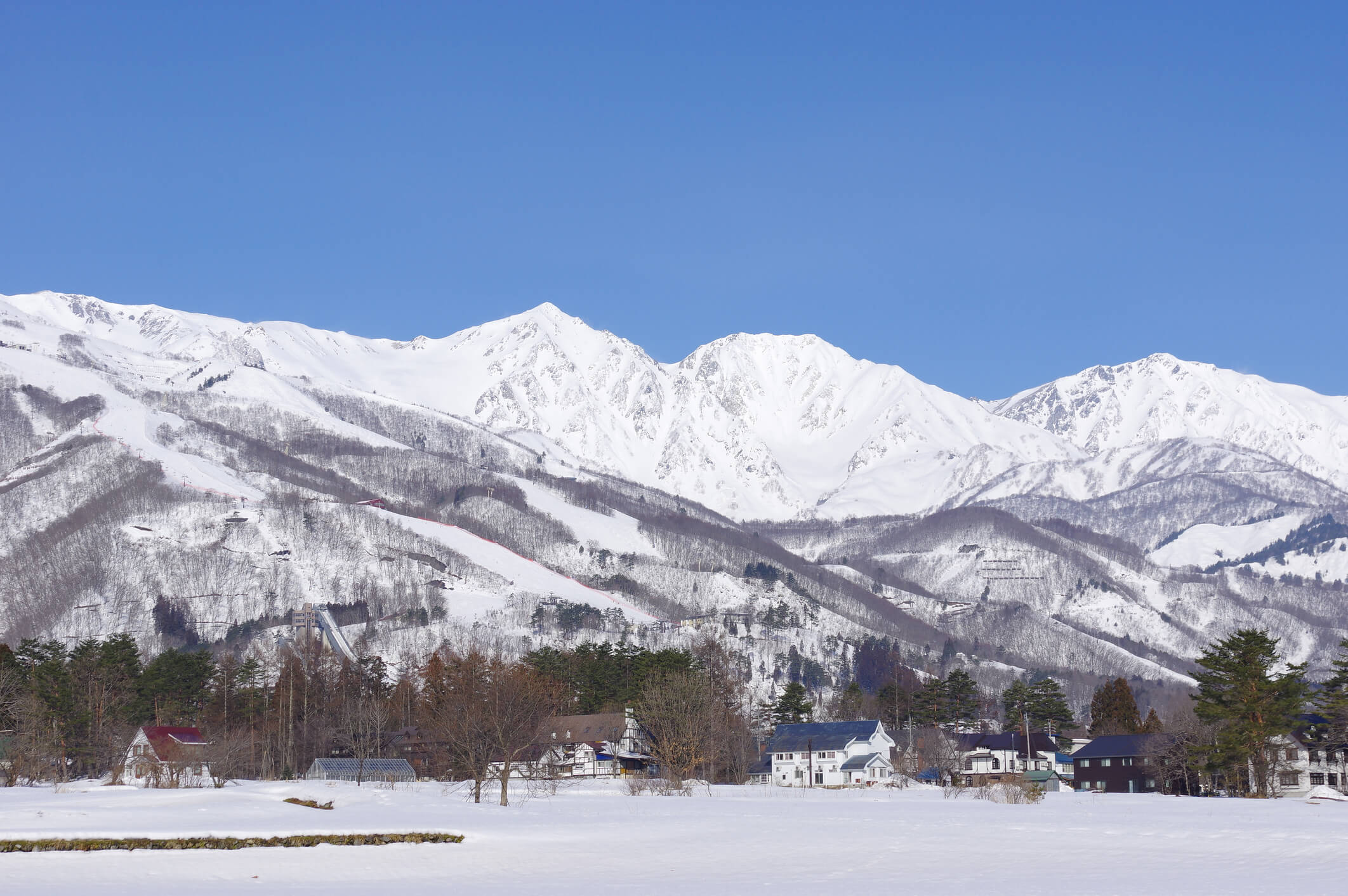
That’s the thing about Hakuba Valley that most guides won’t tell you: this place isn’t just for hardcore powder hounds and ski enthusiasts. Sure, it’s one of Japan’s premier ski destinations with world-class resorts and those stunning 3,000-meter Northern Japanese Alps as your backdrop. But it’s also where families create magical winter memories, where you can soak in outdoor onsens while snow falls around you, and where your kids can experience proper deep snow for the first time.
Just a few hours from Tokyo, Hakuba offers that perfect blend of accessible adventure and genuine Japanese mountain culture. Whether you’re strapping on skis for the first time, letting your toddler discover snow, or just wanting to soak in hot springs with mountain views, Hakuba’s got you sorted.
Quick Navigation
Jump to the section you need:
📍 Planning Essentials
- Quick Planning Guide
- Is Hakuba Worth It Without Skiing?
- When to Visit: Peak vs Shoulder Season
- Money & Real Costs
🎿 Skiing & Activities
- Lift Tickets & Ski Passes
- Which Resort Should You Choose?
- Best Snow Play Areas
- What to Do Without Skiing
🚆 Getting There & Around
🏨 Accommodation & Gear
📊 Comparisons & Practical Info
Quick Planning Guide
- Best Time to Visit: January-February for peak snow conditions; March for warmer weather, smaller crowds, and cheaper accommodation (when we went – still had heaps of snow!)
- Transport: Hokuriku Shinkansen to Nagano then bus (~4 hours, ¥13,000), OR Azusa Limited Express from Shinjuku direct (~4 hours, ~¥8,500, better scenery)
- Language: English widely spoken at major hotels and rental shops, plus Chinese, French, and German at many places
- Non-Skier Friendly: Absolutely yes (we spent 3 days there without skiing)
- Kid-Friendly: Very – proper snow play areas, family hotels, safe environment
- Average Cost: Budget ¥30,000-50,000 per night for mid-range family accommodation with meals
- Best For: Skiers, families with young kids, first-time snow experiences, onsen lovers, Alps photography
📚 Essential Winter Japan Resources
Planning a winter trip to Japan? These guides will help you make the most of it:
- Best Places to See Snow in Japan – Compare Hakuba with other top snow destinations
- Winter in Japan with Kids – Complete family winter travel guide
- Visiting Tokyo in Winter – What to do before/after Hakuba
- Winter Packing Generator – Get a custom packing list for your trip
- Japan Travel Planning Tools – Calculators, maps, and practical resources
- 2026 Public Holidays in Japan – Avoid crowds and price spikes
Is Hakuba Worth It If You Don’t Ski?
Short answer: Absolutely yes. And I’m living proof.
I’ve been to Hakuba 3 times over the years. Some trips I’ve skied, some I haven’t. This March 2025 trip with my toddler? Zero skiing, zero snowboarding. Just snow, onsens, and family time. And honestly, it was one of the best Japan trips I’ve done to date.
What We Actually Did (No Skiing Required)
Day 1: Arrival & First Snow
- Arrived via Hokuriku Shinkansen and bus from Nagano
- Settled into Hakuba Highland Hotel
- Walked around the hotel – watching my son experience snow for the first time
- Called up Woody Rentals – they picked us up, we tried the cloths, and went snow play
- Night: Outdoor onsen while snow fell (one of those moments you remember forever)
Day 2: Heavy Snowfall & Discovery
- Woke up to proper heavy snowfall – the good stuff
- Happo One (Nakiyama Snow Land) – let him play in deep snow, touch it, walk through it
- Watched him get cold hands and laugh about it
- Tried Goryu (waste of time for snow play – skip it)
- Back to Happe One again
- More onsen time (because why not?)
Day 3: Sunrise Magic
- Woke to clear blue skies
- Same outdoor onsen spot from Day 1, but completely different experience
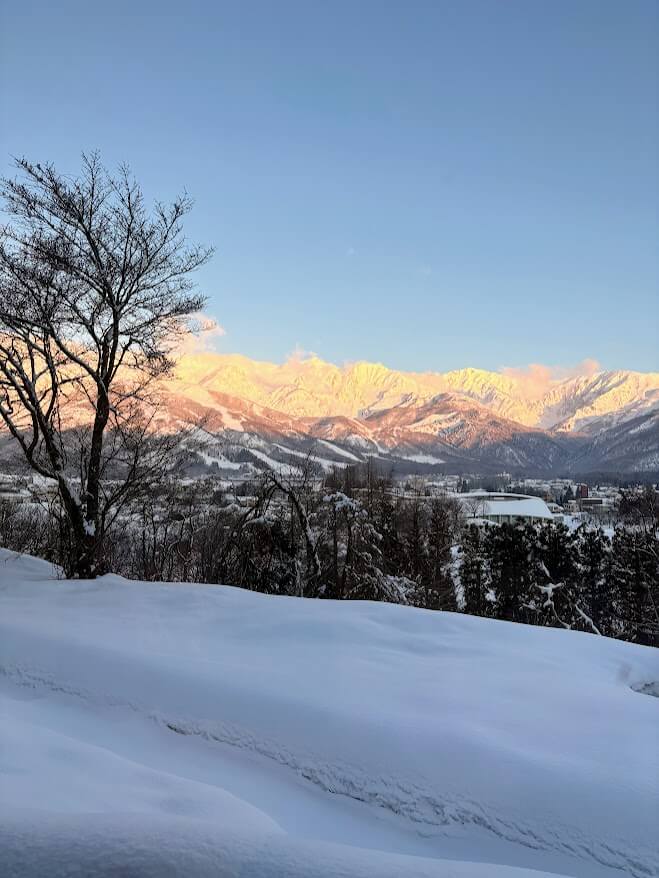
- Sunrise turned those 3,000m Alps peaks pink and orange – absolutely spectacular
- Final snow play session
- Departed
The Experience That Sold Me
That outdoor onsen moment with my son on the first night. We’re sitting in hot water, big snowflakes falling around us, mountains barely visible through the snow. He’s quiet, just taking it all in. Next morning, same onsen, crystal clear skies, and those peaks glowing orange and pink at sunrise.
You can’t ski your way into that memory. That’s pure Hakuba magic, no chairlift required.
Other Things to Do Without Skiing
- Multiple onsens with Alps views – hotel onsens, public bathhouses, day spas
- Restaurants and cafes – proper mountain village atmosphere, many with views
- Photography – especially sunrise over the Alps (bring your camera!)
- Just existing in a beautiful snowy mountain environment
- Snow play areas – not just for kids, sledding’s fun for everyone
- Day trips: Matsumoto Castle (90 minutes – one of Japan’s most stunning original castles), Jigokudani Snow Monkeys (via Nagano), local temples
Who’s This Perfect For?
- Parents introducing kids to snow (what we did)
- Onsen enthusiasts who want mountain views
- Couples wanting a winter mountain escape without the sport
- Anyone who wants the vibe of a ski resort without the skiing
- Photographers chasing that Alps sunrise shot
Lift Tickets & Ski Passes (If You’re Skiing)
If you are planning to ski, here’s what you need to know about lift tickets.
Hakuba Valley Joint Lift Ticket
This pass gives you access to multiple resorts across Hakuba Valley – brilliant if you want to try different mountains.
2025/2026 Official Pricing:
- 1-Day Pass: ¥10,400 (Adult) / ¥6,000 (Child 6-12)
- Multi-Day Passes Available: 2-day, 3-day, 5-day options with discounts
- 5-Day Pass: ¥50,000 (Adult) – works out cheaper per day
The Flexibility Bonus: Multi-day passes have built-in flexibility:
- 2-day pass is valid for use over 4 days
- 5-day pass is valid for use over 10 days
This means you can take rest days, do snow play with the kids, or explore off the mountain without wasting your pass.
Kids Under 6: Ski free at most resorts (legend!)
How to Get Your Pass (Important Update): As of 2024/2025 season, physical passes are no longer delivered to hotels. Here’s the new system:
- Purchase online here
- Receive QR code via email
- Redeem at resort ticket windows or SKIOSK vending machines
- No more waiting for hotel delivery
Individual Resort Tickets
You can also buy single-resort tickets if you’re planning to stick to one mountain. Prices vary by resort but generally run ¥5,000-6,000 for a day pass at individual resorts.
Which Hakuba Resort Should You Choose?
Hakuba Valley has 10 ski resorts, and they’re not all the same. Here’s the honest breakdown to help you pick based on your ability and what you’re after:
Happo-One (八方尾根)
Best for: Intermediate to advanced skiers, Olympic history buffs, Families with kids
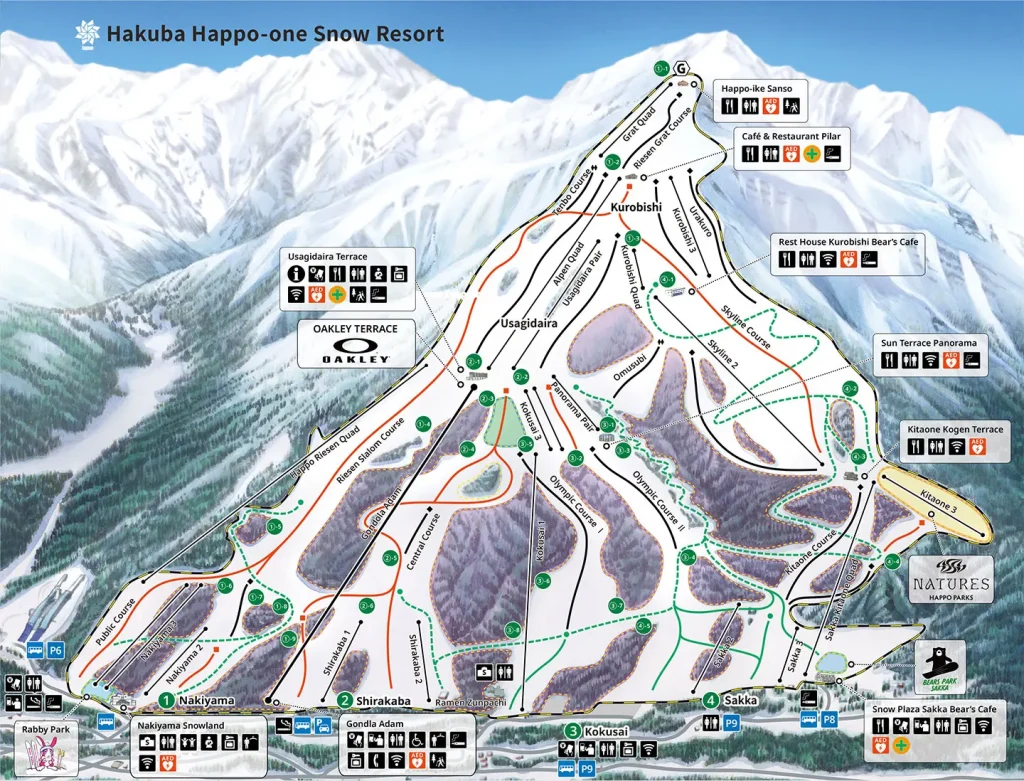
The big name – hosted events during the 1998 Nagano Olympics. Largest resort in Hakuba with steep pitches and challenging terrain.
Why we rate it:
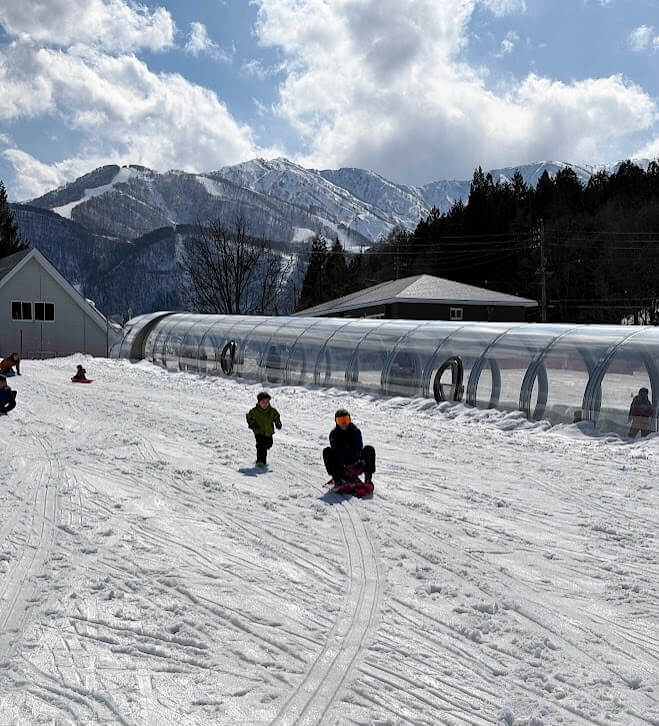
- Best snow play area for non-skiers (Nakiyama Snow Land – where my son played)
- Challenging runs if you can actually ski
- Excellent facilities and English support
- Centrally located
Skip it if: If you are a complete beginner and lessons/school is booked out
Tsugaike Kogen (栂池高原)
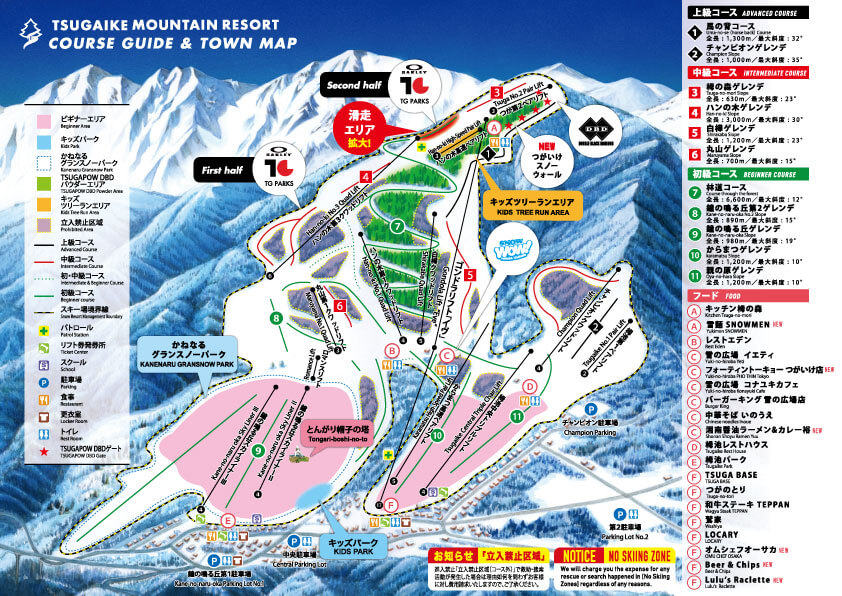
Best for: Beginner skiers, families with kids learning to ski
This is beginner heaven – wide, gentle slopes from top to bottom.
Why it’s great for first-timers:
- Genuinely easy terrain (not “intermediate pretending to be easy”)
- Multilingual ski schools
- Long, cruisy runs that build confidence
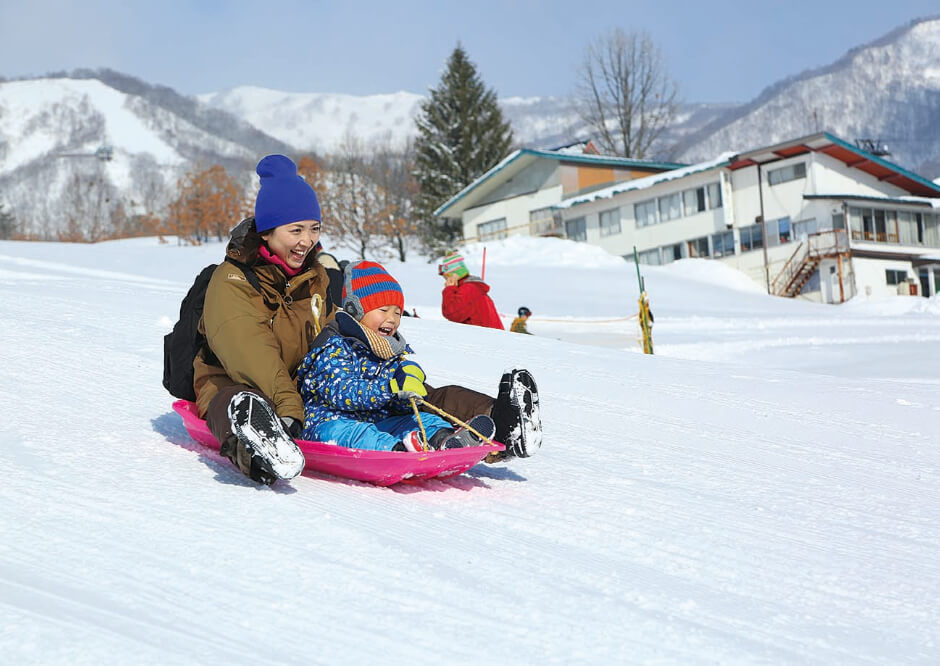
- Good snow play area (we tried this one too)
Skip it if: You’re an advanced skier looking for challenges
⚠️ CRITICAL SAFETY WARNING – Backcountry & Off-Piste Skiing
Hakuba has excellent backcountry access, but it’s also serious avalanche terrain. If you’re considering going off-piste or into the backcountry:
- Never go alone – hire a qualified guide who knows the terrain
- Proper equipment is essential – avalanche beacon, probe, shovel (and know how to use them)
- Get trained – avalanche safety courses are available in Hakuba
- Check conditions daily – The official Hakuba Avalanche Bulletin provides danger ratings and conditions
- Respect closure signs – They’re there for a reason
Every year, people die in avalanches in Japan’s backcountry. Don’t be a statistic. If you’re not experienced, stick to marked runs or hire a guide.
Hakuba Cortina (白馬コルチナ)
Best for: Powder lovers, tree skiing enthusiasts
Known as the “powder capital” of Hakuba – receives significantly more snow than other resorts.
Why powder hounds love it:
- Best snow quality in the valley
- Excellent tree skiing
- Less crowded than Happo-One
- More backcountry access points
Skip it if: You want groomed runs and beginner terrain
Jigatake & Kashimayari (鹿島槍)
Best for: First-timers, families with young kids
These connected resorts are seriously family-friendly.
What makes them special:
- Special kids’ slope with “Chibikko Troika” lift
- Free sled hire at Kashimayari
- Gentle terrain perfect for learning
- Less intimidating than bigger resorts
- Good value for families
Skip it if: You’re looking for variety or advanced terrain
Goryu (五竜)
Best for: Intermediate skiers, snowboarders
Solid all-rounder with variety of terrain.
Our honest take: Fine for skiing, disappointing for snow play (as we discovered). Stick with Happo-One if you’re not actually skiing.
Quick Resort Selector
I’m a complete beginner: Tsugaike Kogen or Jigatake/Kashimayari
I want the full Hakuba experience: Happo-One (but not for learning)
I’m chasing powder: Hakuba Cortina
I’ve got young kids learning to ski: Jigatake/Kashimayari
I’m not skiing at all: Happo-One (for Nakiyama Snow Land)
Best Snow Play Areas: The Honest Take
Not all snow play areas are created equal. Here’s what we learned the hard way.
Happo One – Nakiyama Snow Land: Our Winner ⭐⭐⭐⭐⭐
This is where my son had his first proper snow play experience, and it was brilliant.
Why it’s great:
- Dedicated snow play area that’s actually set up for kids
- Gentle slopes for sledding (proper fun, not scary)
- Deep snow for walking through and playing in
- Safe, contained space – you can relax while kids explore
- Close to facilities (toilets, food, warm-up spots)
- Staff who actually understand families
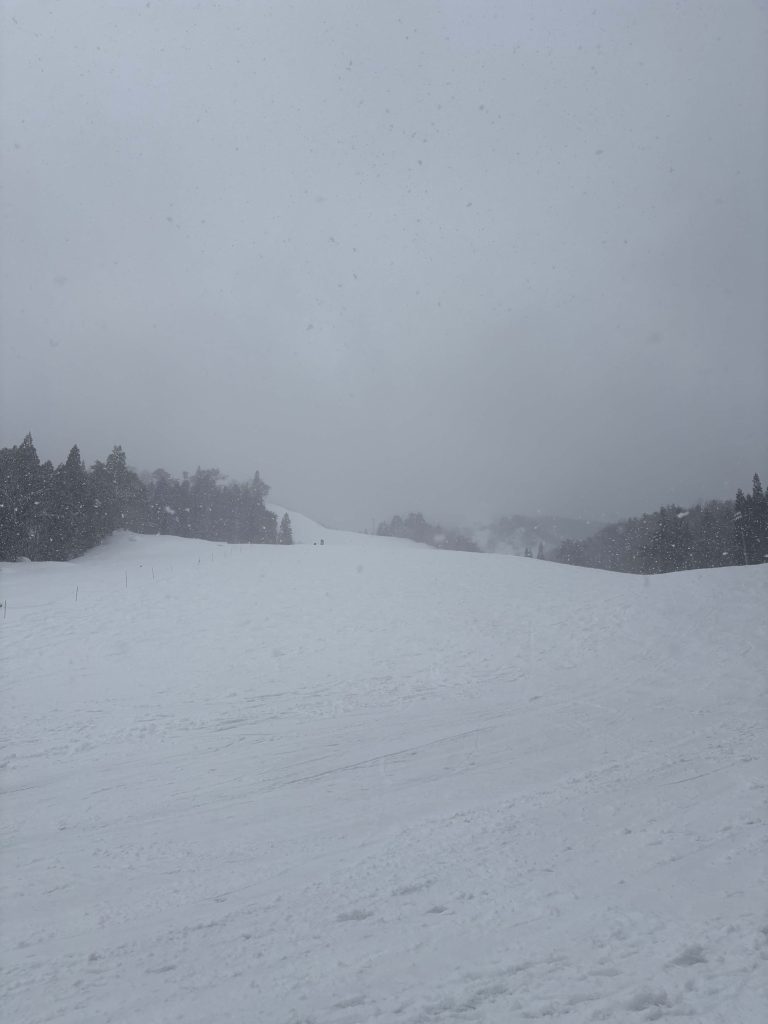
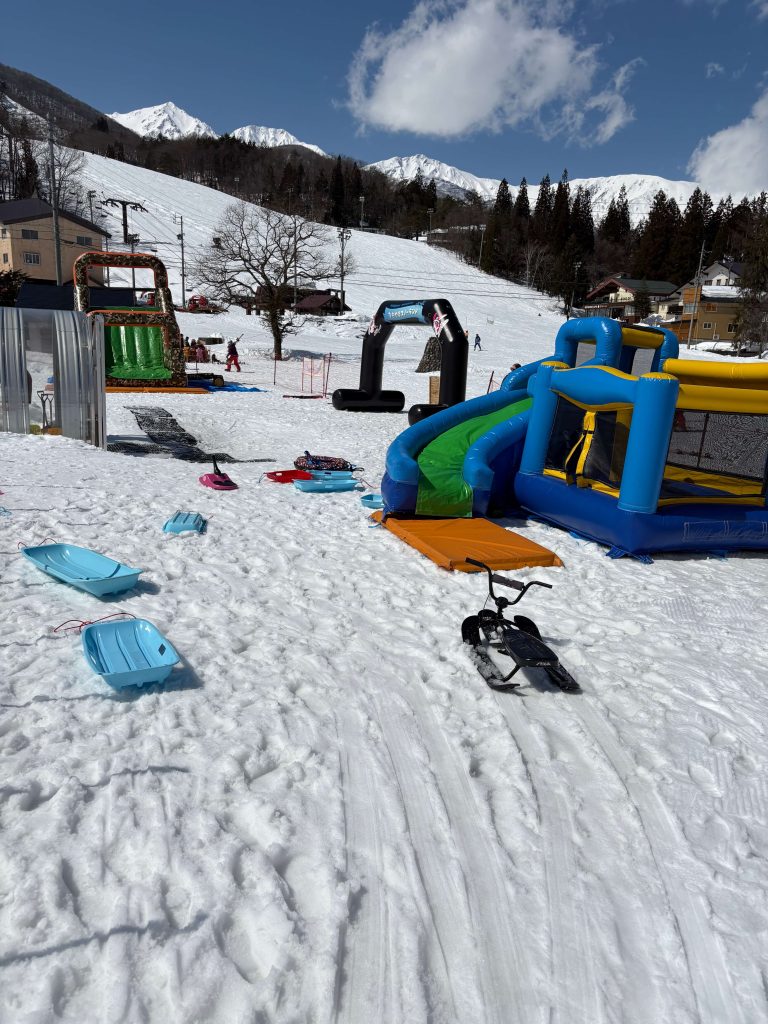
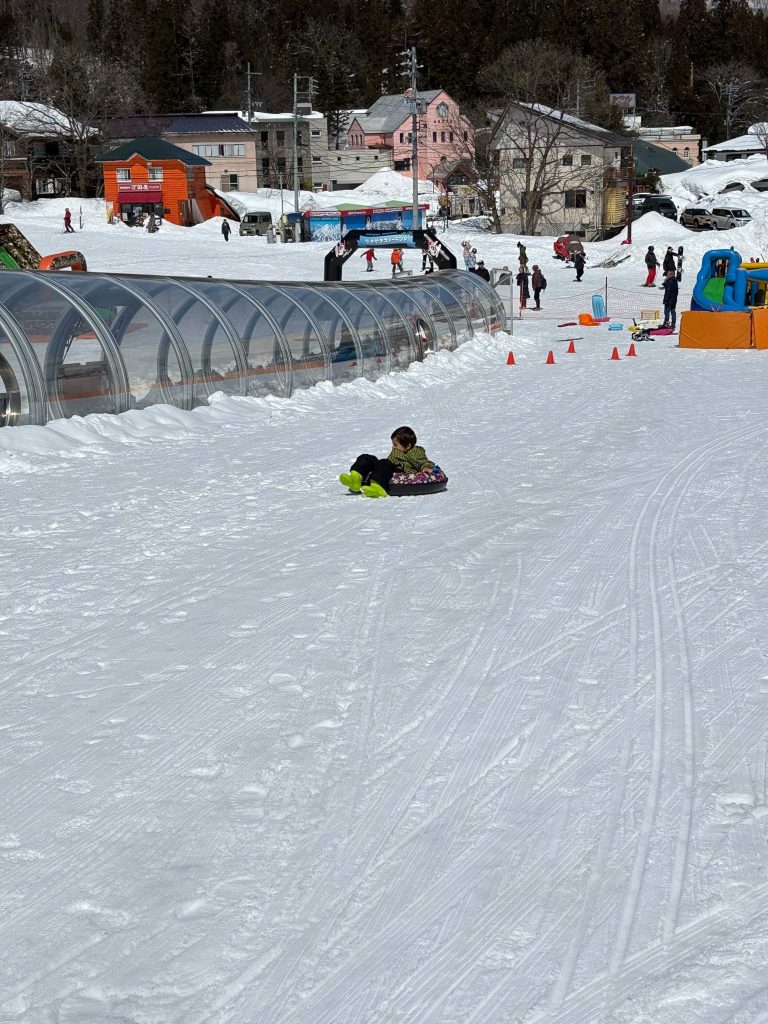
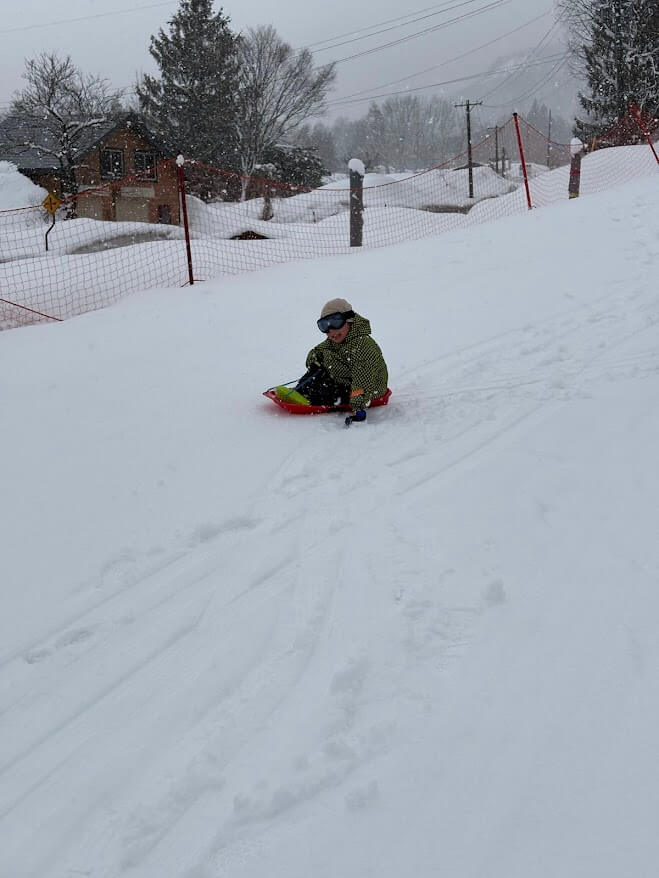
Our experience: Second day when it was snowing heavily. Watching a little kid walk through deep snow, fall over, laugh, get up, do it again. Pure joy. The look on his face when the snow came up to his knees? Priceless.
Cost: Around ¥1,000-2,000 for access (check current pricing) Best time: Morning hours before it gets busy
Goryu: Don’t Waste Your Time (For Snow Play) ⭐
We went here expecting another good snow play setup. Big mistake.
The reality:
- Basically nothing for non-skiing kids
- The so called dedicated play area had nothing
- Facilities focused entirely on skiers
- Wasted two hours we could’ve spent back at Happo One
Our take: If you’re skiing, fine. If you’re just playing in snow with kids, skip it completely. Save your time and energy for Happo One.
Tsugaike Snow Park: Also Good ⭐⭐⭐⭐
Didn’t spend as much time here, but it’s another solid option for families. Worth checking out if you’re staying nearby or want variety from Happo One.
Getting There: Two Routes from Tokyo
Option 1: Hokuriku Shinkansen + Bus (What We Did)
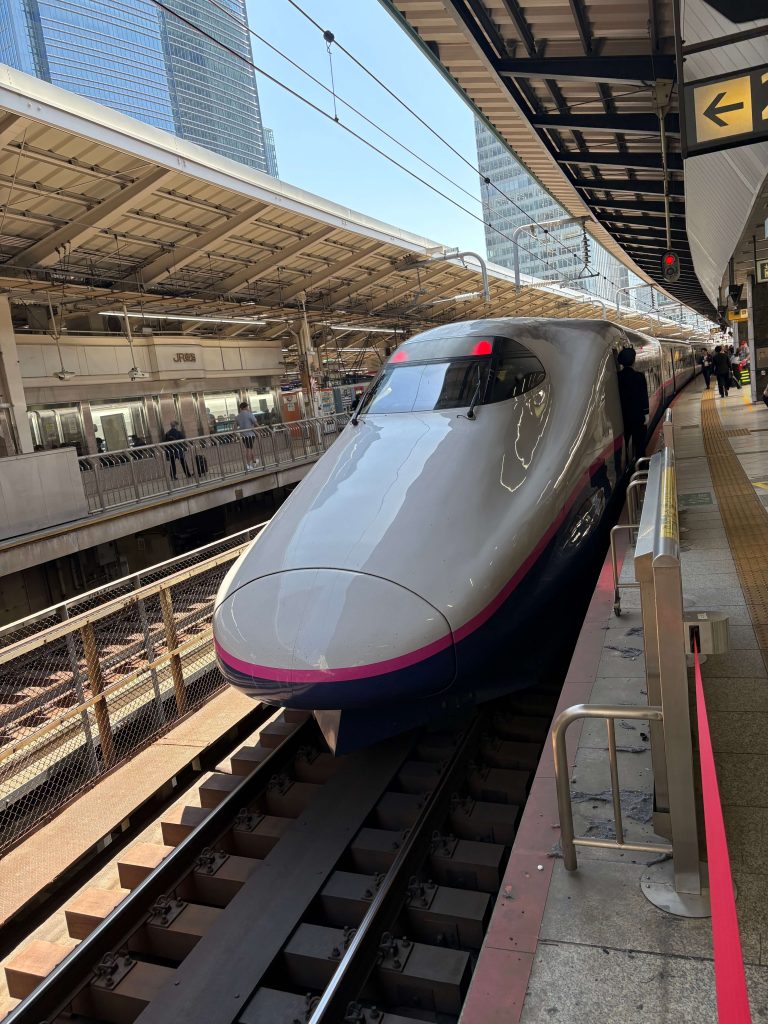
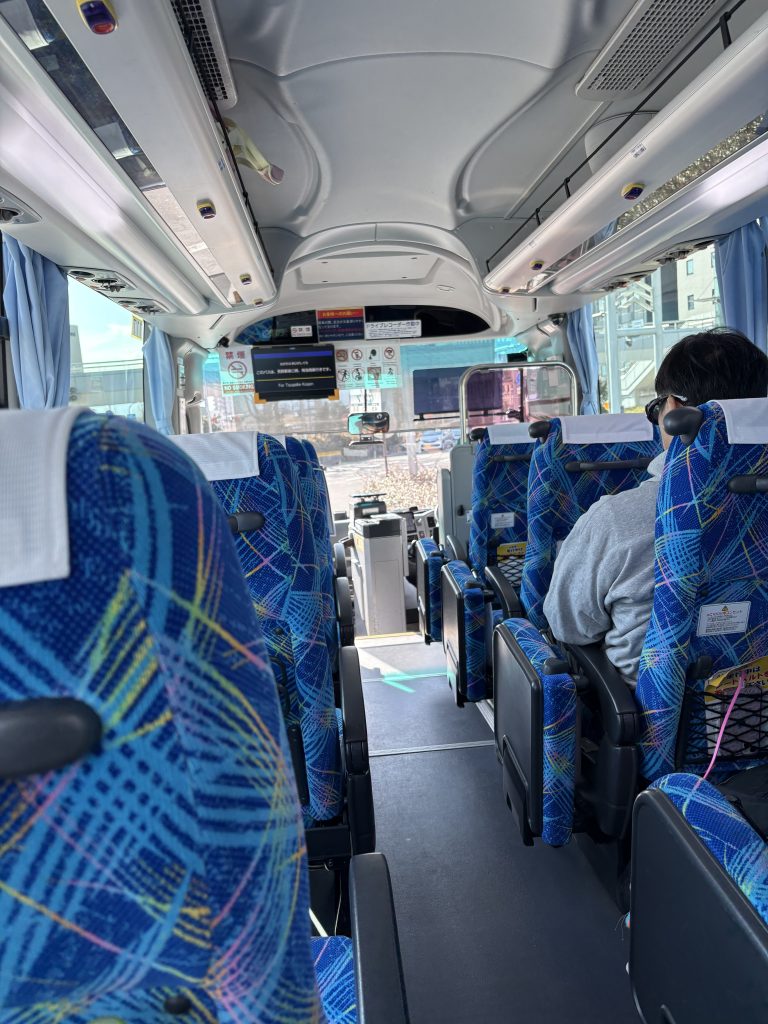
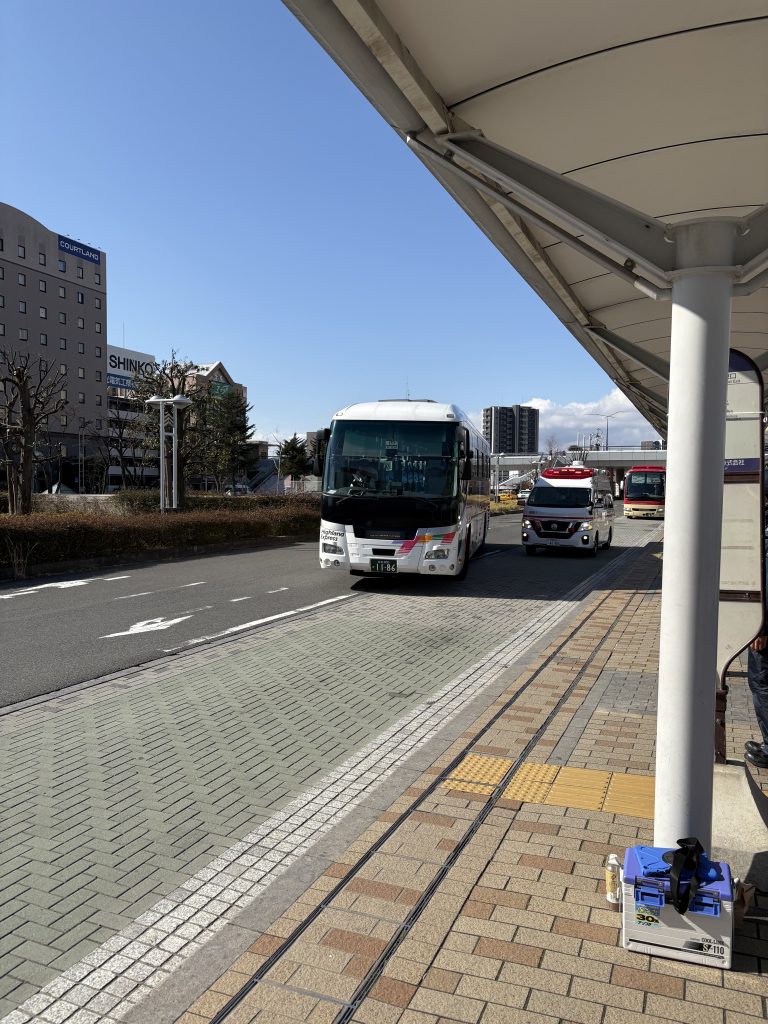
Route: Tokyo Station → Nagano Station (Hokuriku Shinkansen) → Hakuba (bus)
Cost: About ¥13,000 per person (one way) Time: Roughly 4 hours total
- Shinkansen: 1.5 hours
- Bus: 1-1.5 hours
Pros:
- Fast and smooth (shinkansen is always a winner)
- Reliable timing
- Comfortable for kids (my son loves the shinkansen)
Cons:
- Need to transfer at Nagano
- Less scenic than the alternative
- Slightly more expensive
Our experience: Easy with a toddler. The shinkansen is smooth enough that he could walk around if needed, and the bus from Nagano was straightforward. The transfer at Nagano Station is well-signposted.
Bus Details (Nagano to Hakuba): The main Alpico bus service offers two options for winter 2025/2026:
- Non-Reserved: First-come, first-served, same-day tickets only (risk of no seats during peak times)
- Reservation-Only: Guaranteed seat, book ahead (recommended for peak season)
Official Winter Fare: ¥3,500 one-way from Nagano Station to major stops (Happo Bus Terminal, Goryu)
Tip: JR Pass covers the shinkansen portion if you’re using one. Bus is separate. Not sure if a JR Pass is worth it for your trip? Check out my JR Pass Calculator to crunch the numbers.
Option 2: Azusa Limited Express (My Preferred Route)
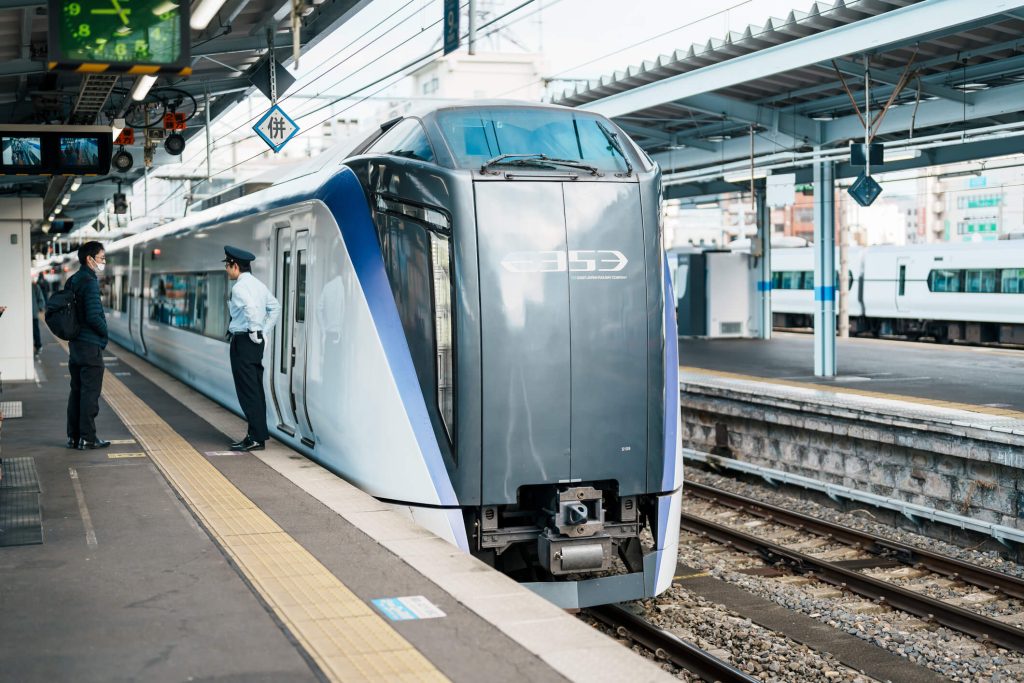
Route: Shinjuku Station → Hakuba Station (direct via Matsumoto)
Cost: Around ¥8,000-9,000 per person (one way) Time: Roughly 4 hours (similar to Option 1)
Pros:
- Direct – no transfers! (huge win with kids and luggage)
- Better scenery in my opinion
- Cheaper than shinkansen route
- Watching the landscape change is part of the experience
Cons:
- Books out fast during peak season (January-February)
- Less frequent than shinkansen services
My take: This is actually my preferred route when not travelling with my son (shinkansen lover). No transfer means way less hassle. And the scenery? Beautiful. You feel like you’re properly heading into the mountains, not just fast-tracking there.
Tip: If you’re travelling in March you’ll have no trouble getting seats. Peak season (Jan-Feb)? Book as early as possible – this train fills up with ski groups.
Which One Should You Choose?
- Travelling with young kids? Azusa’s direct route wins
- Using JR Pass? Shinkansen is already paid for
- Peak season (Dec-Feb)? Book whichever you can get seats on
- Want the scenic route? Azusa through the mountains
- Need flexibility? Shinkansen has more frequent services
Where to Stay: Real Experience & Options
Our Pick: Hakuba Highland Hotel ⭐⭐⭐⭐⭐
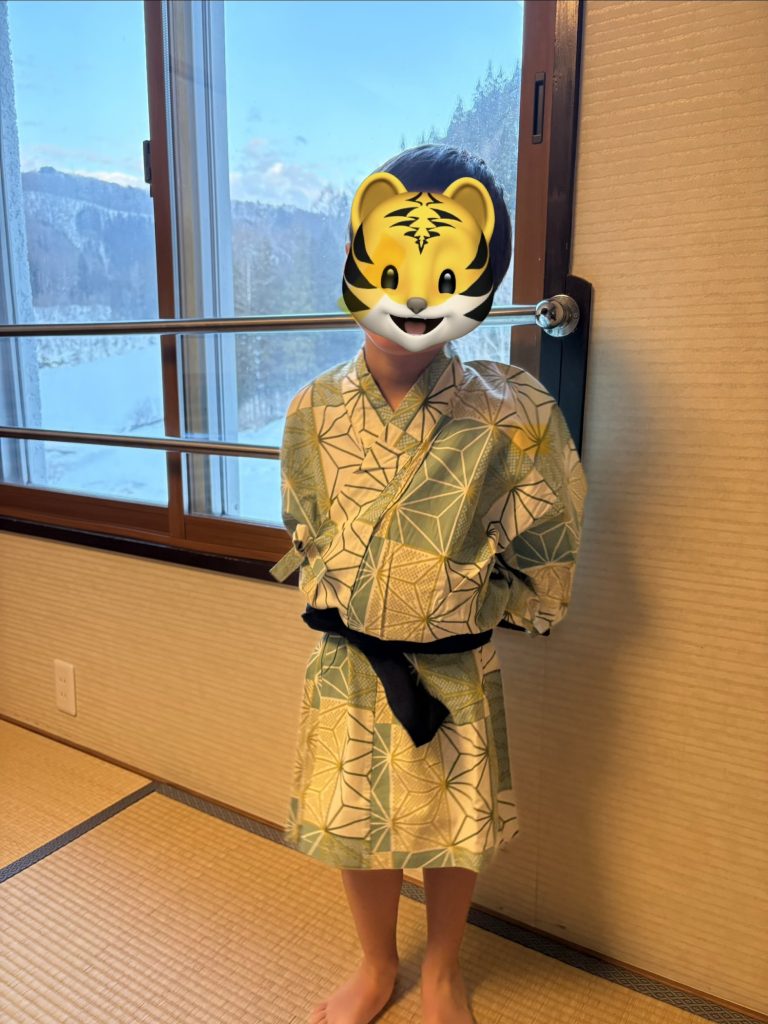
We stayed here in March 2025 with our toddler, and honestly, it was spot on.
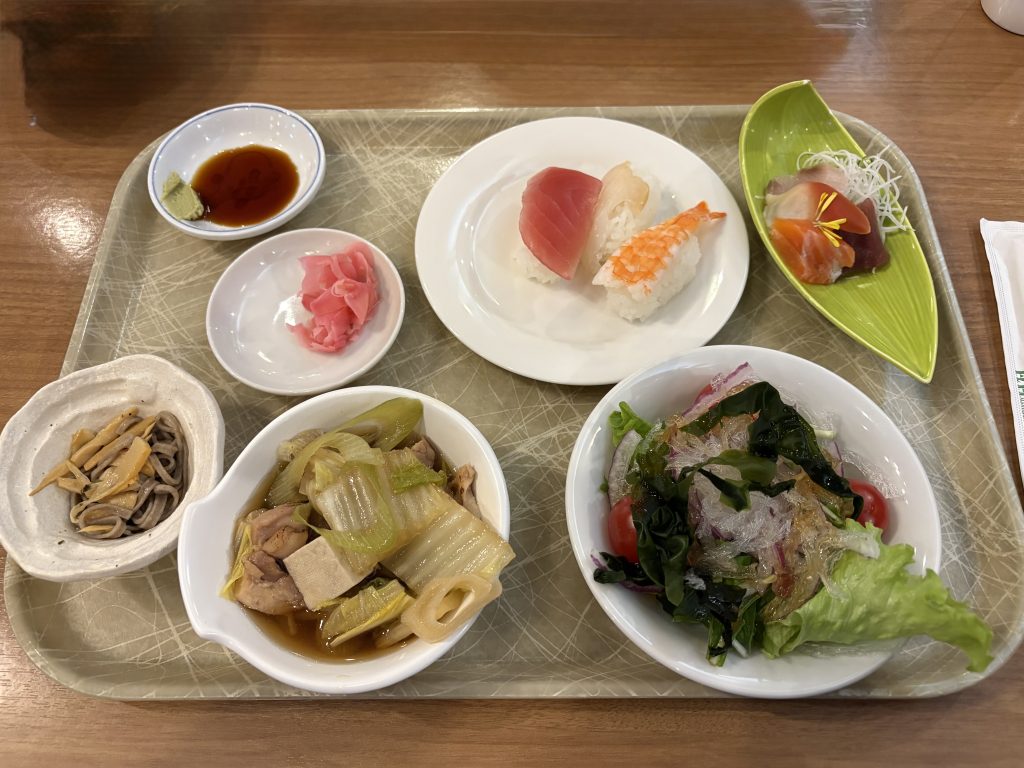
What we paid: ¥70,000 for 2 nights (including a few drinks at dinner each night) – works out to about ¥35,000 per night for the family with two buffet dinners and two buffet breakfasts.
The good stuff:
- Food: Buffet-style that was actually excellent – proper variety (Japanese and Western), local delicacies, fresh dishes, kid-friendly options without being daggy
- Views: Direct Alps views from the hotel – those pink/orange sunrise peaks I mentioned?
- Service: Top notch without being stuffy – mostly Japanese guests, which tells you something about the quality
- Languages: Staff speak English confidently, plus Chinese, French, and German available
- Onsen: This is where we had that magical outdoor soak. Outdoor bath, mountain views, snow falling. Perfect. The indoor onsen is good too. Keep in mind that they have a public one too (but this is not where you’ll go)
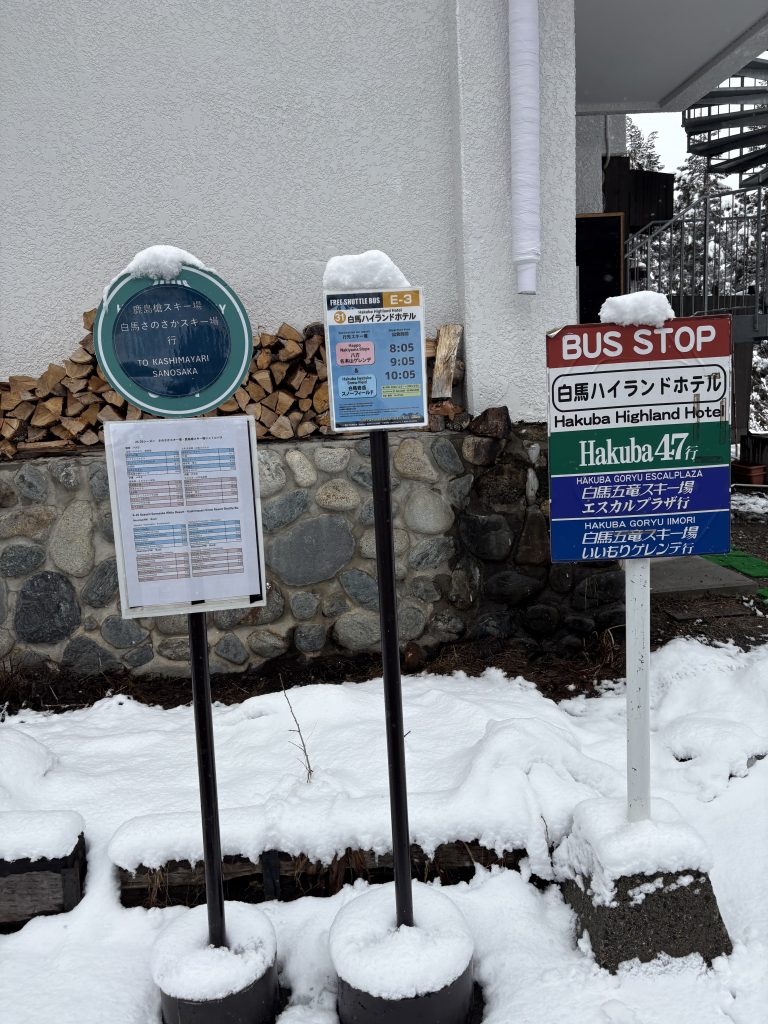
- Location: Free shuttle bus access to ski resorts (they leave early so you better be up)
- Family-friendly: High chairs, kids’ menus, staff who actually get families
The reality check:
- You’re paying for quality – it’s not budget accommodation
- Free shuttle requires early mornings (not always easy with toddlers)
- March is quieter; peak season would be busier
Would we stay again? Absolutely. The onsen alone makes it worth it, and the food was genuinely good (not just “good for a buffet”).
Other Accommodation Options
If You’ve Got the Budget:
Hotel La Neige Honkan (5-star)
- Proper luxury experience
- Expect ¥70,000+ per night
- French-influenced design
- For when you want to splash out
The Happo by HHG (4-star)
- Solid upmarket choice
- Close to Happo One ski resort
- Expect ¥50,000+ per night
- Good for families who want quality without full luxury pricing
Grand Phenix Hakuba (New, Luxury Apartments)
- Brand new, spacious luxury apartments in Happo area
- Perfect for groups or families wanting more space
- Modern facilities, proper kitchens
The Castle (Premium Private Chalet)
- 8-bedroom private chalet in Echoland
- Ideal for large families or groups travelling together
- Full privacy, luxury amenities
Ski-In/Ski-Out Convenience:
Hotel Marillen
- Austrian-style chalet at the base of Happo-One
- Literally walk to the lifts
- Great if skiing is your main focus
Hakuba Powder Mountain
- Recently renovated lodge
- Steps from Sakka lift
- Good value for ski-in/ski-out access
If You’re Watching the Budget:
Starfall Lodge (Hostel/Lodge style)
- Budget-friendly option
- Good for younger travellers or families wanting to spend less on accommodation
- More basic facilities but clean and functional
Accommodation Tips
Peak Season (Jan-Feb):
- Book 2-3 months ahead minimum
- Prices: ¥30,000-100,000+ per night depending on hotel quality
- Weekend rates are even higher
Shoulder Season (March, early Dec):
- Better deals available (roughly half of peak season rates)
- More flexibility with booking
- March still has excellent snow conditions
- December snow can be disappointing
Types of Accommodation:
- Hotels – What we chose, great for families
- Lodges – Budget option, more hostel-like
- Pensions – Small family-run places, breakfast included
- Vacation rentals – Good for longer stays or larger groups
Real Talk: There’s accommodation for every budget in Hakuba. We’re talking everything from ¥5,000/night backpacker beds to ¥100,000+/night luxury ryokans. The key is deciding what matters most – proximity to slopes? Onsen quality? Food? Budget accordingly.
Getting Around Hakuba
Free Shuttle Buses
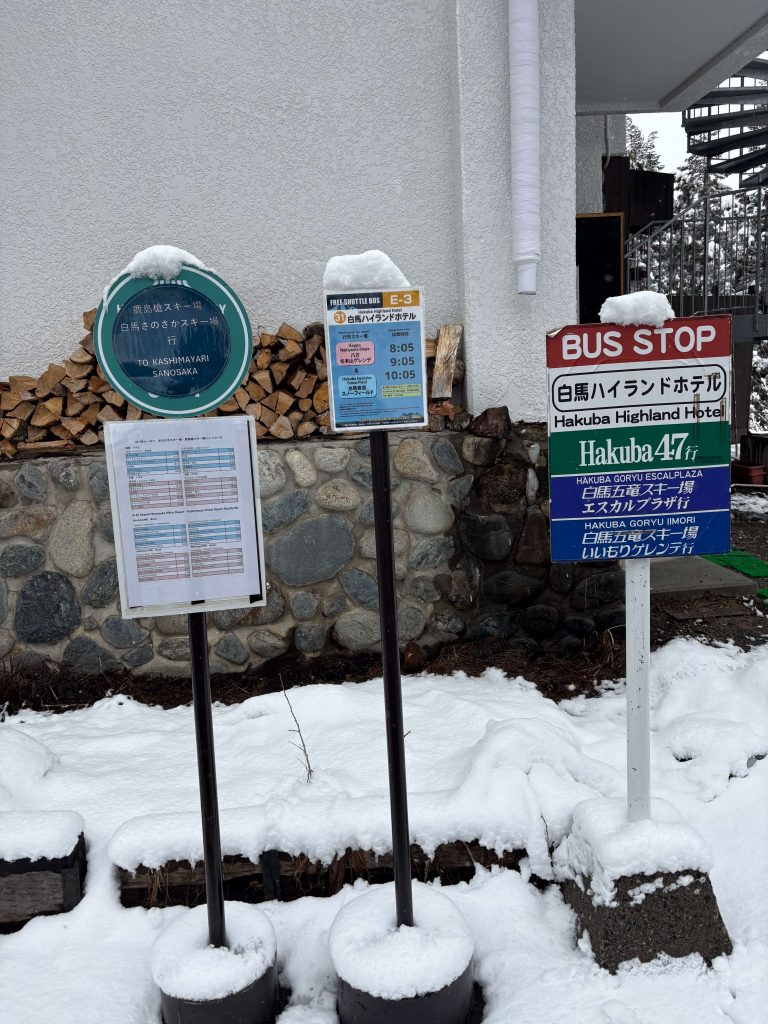
Most major hotels (including Hakuba Highland Hotel) run free shuttles to the main ski resorts.
The Schedule:
- Usually depart 8:00-9:00am
- Return runs in afternoon (check with your hotel)
- Routes cover major resorts (Happo One, Goryu, Hakuba 47)
The Catch: They leave EARLY. Miss the morning shuttle, and you’re looking at:
- Taxis – Expensive (¥2,000-3,000+ per trip) but convenient
- Hotel assistance – Some hotels can arrange alternative transport
- Walking – Depending where you’re staying and which resort (sometimes viable, often not in deep snow)
Our experience: The shuttle made life way easier, but getting a toddler fed, dressed in snow gear, and ready by 8:30am was sometimes a mission. Factor in extra time if you’re travelling with little ones. That morning rush is real.
Local Buses
Public buses run between areas if you’re staying somewhere without hotel shuttles. Routes aren’t super frequent (hourly or less), so check timetables.
Do You Need a Car?
Short answer: No.
Without a car: Totally doable with hotel shuttles and occasional taxis
With a car: More flexibility, especially for day trips to Matsumoto or hot springs
Winter driving warning: If you’re not used to driving in snow, don’t start in Japan. The rental car companies won’t give you chains unless you ask, and mountain roads can be sketchy. Stick with shuttles and buses.
Gear Rentals: Everything You Need to Know
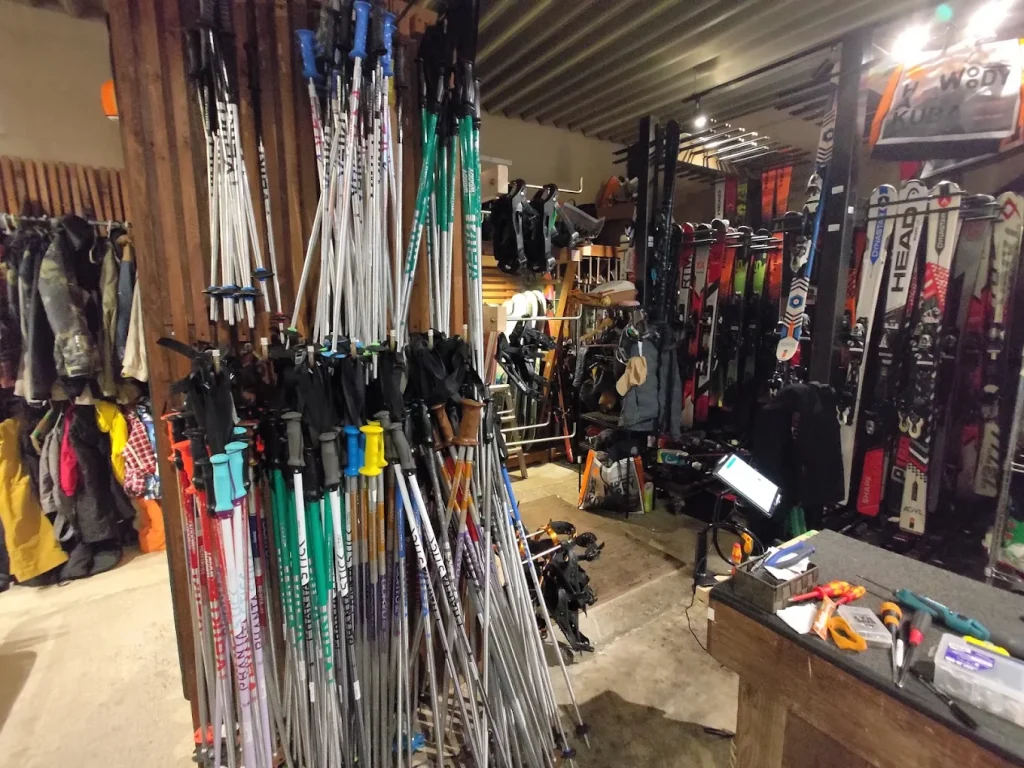
Right, so most international tourists rock up like we did – with exactly zero snow gear beyond maybe a warm jacket. Here’s the complete breakdown.
What Do You Actually Need to Rent?
Non-Skiers (like we were):
- Snow boots (absolutely essential – your sneakers won’t cut it)
- Waterproof snow pants
- Waterproof jacket (if you don’t have one)
- Gloves (or buy cheap ones at convenience stores for ¥300-500)
- Beanie (optional if you’ve got one already)
Kids Just Playing in Snow:
- Full snow suit (easier than separate pieces for little ones)
- Snow boots (kids’ sizes available everywhere)
- Waterproof gloves (the thick kind, not fashion gloves)
- Optional: Sleds (some snow play areas provide these free)
If You’re Actually Skiing:
- Everything above PLUS
- Skis/snowboard
- Poles (skiing)
- Helmet (essential, especially for kids)
- Goggles
Where to Rent
Standalone Rental Shops:
- They’re EVERYWHERE in Hakuba Valley
- Central Snow Sports, Woodys, Rhythm, Spicy Rental, Lion Gear…
- Better selection than hotel shops
- More size options
- Competitive pricing
Hotel Rental Shops:
- Convenient (don’t need to go anywhere)
- More limited range
- Fine if you’re average sizing
- Sometimes slightly pricier
Our experience: We used a standalone shop (Woody Rentals). The range was better for getting myself properly fitted, and the service was excellent. They picked up us from our hotel, took us to their rental shop to try the clothes, and then dropped us off at Happo One.
The Pickup Service (This is Gold!)
Many rental shops offer this service:
- They pick you up from your hotel (yes, really)
- Drive you to their shop
- Help you get fitted with proper gear
- When you’re done (2-3 days later), they pick up the gear from your hotel
- Some will even drop you at the station when you leave
Why this matters: Trust me, carrying rental gear, luggage, AND a toddler on shuttle buses is not fun. The pickup service is worth every yen, especially for families.
Cost: Usually free pickup if you’re renting for 2+ days
Rental Costs (Real Prices)
Prices vary depending on:
- Which shop you use
- Quality of gear (standard vs premium)
- Season (peak or off-peak)
- How many days you’re renting
Rough Guide (per day):
- Adult snow boots: ¥1,000-2,000
- Adult snow pants: ¥2,000-3,000
- Adult jacket: ¥2,000-3,000
- Kids’ full snow suit: ¥2,000-3,500
- Kids’ boots: ¥800-1,500
- Adult Ski/snowboard package (skis, poles & boots): ¥4,000-7,500
Multi-day discounts: Usually 20-30% cheaper if you rent for 3+ days
Our spend: About ¥13,000 per day for the three of us (basic snow gear, no ski equipment)
Booking: Ahead vs Walk-In
Book Ahead If:
- Peak season (Jan-Feb) – shops can run out of sizes
- You’re unusual sizing (very tall, very short, wide feet)
- You want guaranteed availability
- You want to compare prices online
Walk-In If:
- Shoulder season (like we did in March)
- Average sizing
- You want to see/feel the gear first
- More flexibility if plans change
Our experience: We booked one day ahead (late March). No stress, plenty of stock, got fitted same day. In January or February? I’d book at least a week ahead.
Tips from Experience
What worked:
- Getting fitted in person (especially for kids, and those of larger build – sizing can be tricky)
- Asking for recommendations based on weather forecast
- Taking photos of how everything goes on (helps when you’re dressing a squirming toddler in the hotel room later)
Money-saving tricks:
- Book multi-day packages (way better value than daily rates)
- Bring your own gloves/beanie from home (lightweight to pack, saves rental costs)
- Buy cheap waterproof pants at Uniqlo in Tokyo before the trip if you’re doing multiple ski resorts (HeatTech stuff works great underneath)
- Some hotels have basic free gear for guests (sleds, gloves) – worth asking
Don’t stress about:
- Bringing everything from home – rentals are sorted in Hakuba
- Looking daggy in rental gear – everyone’s in the same boat
- Your toddler getting gear dirty – that’s literally what it’s for
Kids’ Gear: Special Notes
Sizing: Japanese kids’ sizing runs slightly smaller than Australian/Western sizing. If your kid is between sizes, go up one.
All-in-one vs separates: For toddlers and young kids, the full snow suit is worth it. Easier to get on, nothing rides up, properly waterproof. For older kids (8+), separates work fine.
Helmet requirements: Needed for ski lessons, not for just playing in snow. If you’re doing any skiing with kids, helmets are non-negotiable.
Hakuba vs Other Ski Resorts: The Honest Comparison
Wondering how Hakuba stacks up against other Japanese ski destinations? Here’s the reality. (For a deeper dive into all of Japan’s best snow destinations, check out my complete guide to the best places to see snow in Japan.)
| Factor | Hakuba | Niseko | Nozawa Onsen | Shiga Kogen |
|---|---|---|---|---|
| Distance from Tokyo | ~4 hours (2 route options) | ~9-11 hours (flight + train) | ~3.5 hours | ~3.5 hours |
| Getting there | Train or shinkansen+bus | Usually fly to Sapporo | Shinkansen to Nagano + bus | Shinkansen to Nagano + bus |
| Non-skier activities | Excellent (we proved it!) | Good | Excellent (traditional onsen village) | Limited |
| Kids’ snow play | Happo One is fantastic | Good options available | Good | Limited facilities |
| Hotel shuttles | Free from major hotels | Free from major hotels | Limited | Limited |
| English support | Excellent everywhere | Excellent (very international) | Good at major places | Limited |
| International vibe | High (lots of Aussies) | Very high (Australian takeover) | Medium | Lower |
| Family-friendly | Very (we stayed with toddler) | Very (geared for families) | Very | Medium |
| Onsen quality | Excellent (outdoor with views!) | Good | Excellent (entire village is onsen town) | Good |
| Gear rentals | Everywhere, pickup service | Everywhere, excellent selection | Good availability | Limited compared to others |
| Cost level | $$$ (¥35k/night mid-range) | $$$$ (most expensive) | $$ (best value) | $$ |
| Best for | Families, first-timers, Alps views, non-skiers welcome | Powder skiing, full international experience | Traditional Japan experience, serious onsens | Serious skiers wanting variety, less crowded |
| Peak season | January-February | January-February | January-February | January-February |
| Our verdict | Perfect for families, even without skiing. Alps views are stunning. | A bit too overwhelming. | Haven’t been in winter yet. Loved it in green season. | Haven’t been yet |
Bottom line: If you’re coming from Tokyo with a family and want the full package (great skiing, non-skier options, stunning scenery, manageable travel time), Hakuba wins. Niseko’s the pick if you want maximum powder and don’t mind the longer journey. Nozawa Onsen looks brilliant for a more traditional Japanese village experience with seriously good hot springs.
When to Visit: Peak vs Shoulder Season
January – February (Peak Season)
Snow Conditions: ⭐⭐⭐⭐⭐
- Guaranteed powder – this is when Hakuba truly delivers
- Regular fresh snowfall
- Cold temperatures (can drop to -10°C or lower)
- Best snow quality of the year
Crowds: 😅😅😅
- Resorts are packed, especially weekends
- Restaurants need bookings
- Shuttle buses full
- Slopes busy (not ideal for first-timers)
Costs: 💸💸💸
- Accommodation: ¥30,000-100,000+ per night
- Everything else is peak pricing
- Book 3-4 months ahead minimum
- Weekend rates even higher
Our take: If powder skiing is your main goal and you’ve got the budget, this is your window. For families with young kids? Consider March instead.
December (Early Season)
Snow Conditions: ⭐⭐⭐
- Season just starting
- Snow coverage often patchy or limited
- Not usually reliable for great conditions
- Can be hit or miss
Crowds: 😊
- Quieter than peak season
- Some facilities may not be fully operational
Costs: 💸💸
- Cheaper than peak season
- Better availability
Our take: Risky for snow quality. If you’re making a special trip for snow, wait until January. If you’re flexible and can handle potentially disappointing conditions, the quiet slopes and cheaper rates might appeal.
March (When We Went – Shoulder Season)
Snow Conditions: ⭐⭐⭐⭐
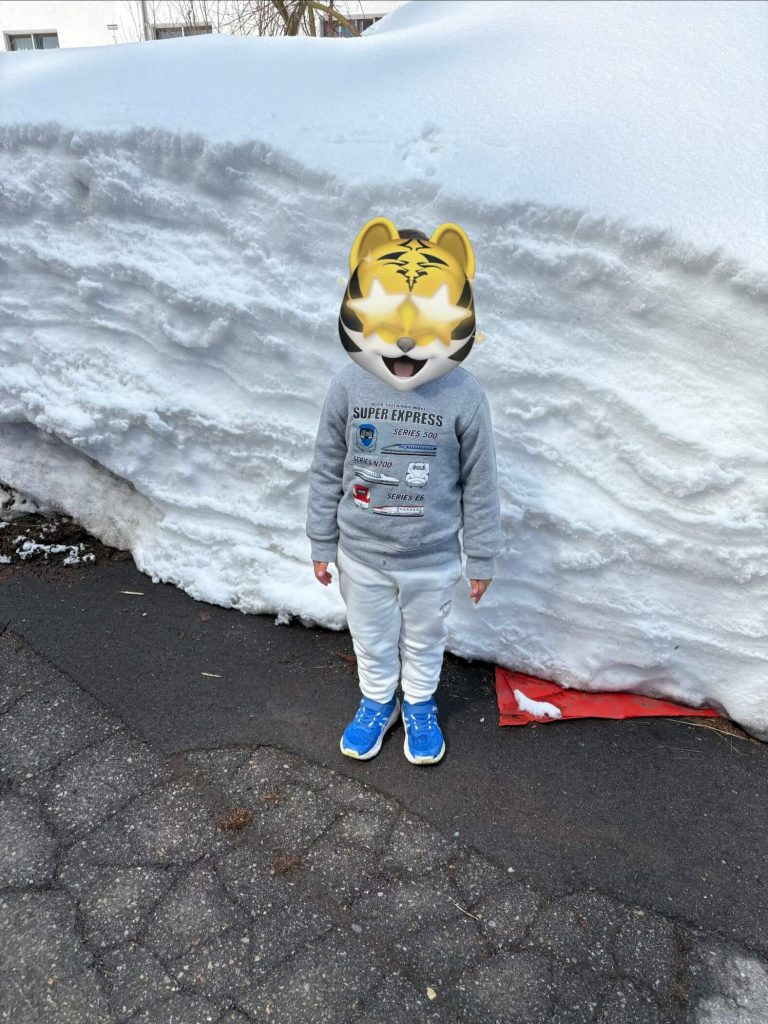
- Still heaps of snow (we had heavy snowfall!)
- Warmer days (0°C to +5°C)
- Spring snow by late March (still great for playing)
- Conditions perfect for kids
Crowds: 😊
- Noticeably quieter than peak
- Restaurants have space
- Shuttle buses manageable
- Snow play areas less packed
Costs: 💸💸
- Accommodation: ¥15,000-50,000 per night (roughly half the peak season rates!)
- Better value across the board
- Can book 1-2 weeks ahead and be fine
- More last-minute flexibility
Our take: This is the sweet spot for families. Still proper snow, but warmer days mean your kids aren’t freezing. Cheaper accommodation means money for other stuff. Less crowded means more relaxed experience.
Bonus: Cherry blossoms start blooming at lower elevations. Day trip to Matsumoto? Cherry blossoms AND snow mountains. Unbeatable.
April (Late Season)
Snow Conditions: ⭐
- There may be no season
- Slushy snow
- Coverage getting patchy
- Most areas closed
Practical:
- Very quiet
- Best deals of the year
- Many facilities closed
- Hit or miss for snow quality
Our take: Don’t bother. Unless it has been an exceptional season and there’s still plenty of snow.
First-Timer Recommendation
With young kids (under 8): March wins. Warmer weather, decent snow play conditions, cheaper, less overwhelming.
Serious skiing focus: January-February for guaranteed powder.
Budget conscious: March is your best bet for value (still good snow, half the price).
Want it all: Late February or early March – still good snow, crowds starting to thin, prices dropping.
Practical Day-to-Day Planning
Sample 3-Day Itinerary (Non-Skiers, like we did)
Day 1: Arrival & Settling In
- Arrive Hakuba (before lunch time ideally)
- Check into hotel, sort gear rentals
- Afternoon: Hit the snow!
- Evening: Hotel onsen, dinner at hotel
Day 2: Main Snow Play Day
- Early: Happo One (Nakiyama Snow Land) – morning session
- Lunch: Facilities around Happo One
- Afternoon: More snow play or explore different area
- Evening: Onsen, rest (kids will be knackered)
Day 3: Relaxed Morning & Departure
- Early: Sunrise onsen (if conditions are clear)
- Late morning: Final snow play or explore village
- Lunch: Leave Hakuba after lunch
Sample 5-Day Itinerary (Mix of Skiing & Non-Skiing)
Day 1: Arrival
- Same as above
Day 2: Skiing Day
- Full day at Happo One or Goryu (for adults/older kids)
- Younger kids: Lessons or snow play
Day 3: Non-Skiing Day
- Snow play for everyone
- Explore village
- Try different onsen
Day 4: Day Trip
- Matsumoto Castle (90 mins by train – stunning black castle)
- Or Jigokudani Snow Monkeys
- Return evening
Day 5: Final Snow Fix & Departure
- Morning: Last runs or snow play
- Depart after lunch
Daily Schedule Tips
With Young Kids:
- Start slow – don’t pack too much in
- Morning: Active snow time (when they’re fresh)
- Afternoon: Quieter activities or rest
- Evening: Onsen and dinner (early, before they crash)
Meal Planning:
- Hotel breakfasts are usually buffet (fill up!)
- Pack snacks for snow play (kids get hungry)
- Lunch: Facilities at snow areas or convenience store supplies
- Dinner: Hotel is easiest with tired kids
Downtime:
- Build in rest time (snow play is exhausting for little ones)
- Rainy day backup: Local museums, covered shopping areas
- Evening onsen becomes routine (and kids actually look forward to it)
Money Matters: Real Costs
Our 3-Day Trip Breakdown (Family of 3, No Skiing)
Accommodation: ¥70,000 (2 nights, including meals) Transport: ¥26,000 (return train/bus for 2 adults) Gear rentals: ¥23,000 (2 days for 3 people, basic snow gear) Activities: ¥5,000 (snow play area entry) Food/extras: ¥10,000 (snacks, drinks, souvenirs)
Total: ~¥134,000 ($1,300 AUD / $860 USD)
That’s for comfortable mid-range accommodation with good food, not skimping but not splashing out either.
Budget Breakdown by Category
Per Day Per Person (Rough Guide):
Budget Traveller:
- Accommodation: ¥5,000-8,000 (hostel/budget lodge)
- Food: ¥2,000-3,000
- Activities: ¥1,000-2,000
- Lift tickets (if skiing): ¥5,000-6,000/day
- Rentals: ¥5,000-10,000/day
- Total: ¥13,000-19,000/day (non-skier) or ¥18,000-27,000/day (skiing)
Mid-Range (What we did):
- Accommodation: ¥15,000-20,000 (nice hotel with meals)
- Food: ¥1,000-2,000 (snacks, drinks, lunch)
- Activities: ¥2,000-3,000
- Lift tickets (if skiing): ¥10,400/day (Hakuba Valley pass)
- Total: ¥18,000-25,000/day (non-skier) or ¥28,000-35,000/day (skiing)
Luxury:
- Accommodation: ¥25,000-50,000+ (upscale hotel, premium food)
- Food: ¥3,000-5,000
- Activities: ¥3,000-5,000
- Lift tickets (if skiing): ¥10,400/day
- Total: ¥31,000-60,000+/day (non-skier) or ¥41,000-75,000+/day (skiing)
Reality Check: If you’re skiing, add at least ¥10,000 per person per day for lift tickets. Multi-day passes bring this down – a 5-day pass works out to ¥10,000/day instead of paying ¥10,400 daily.
Money-Saving Tips
Accommodation:
- March instead of January/February (half price!)
- Midweek instead of weekends
- Avoid December if snow quality matters to you
- Book package deals (accommodation + meals + lift passes if skiing)
Food:
- Convenience store breakfasts/lunches (surprisingly good in Japan)
- Hotel buffets – load up at breakfast
- Bring snacks from Tokyo (buy at supermarkets, not convenience stores)
Activities:
- Some snow play is free (parks, hotel grounds)
- Onsen at your hotel (already paid for) vs day-trip onsens
Transport:
- JR Pass if you’re doing more of Japan (covers most of the journey)
- Azusa train vs shinkansen (saves ¥4,000+ per person)
- Free hotel shuttles vs taxis
Gear:
- Multi-day rental packages
- Bring basic items from home (gloves, beanie)
- Buy cheap stuff at Uniqlo in Tokyo before heading to Hakuba
Frequently Asked Questions
Can we do this with a toddler?
Yes! We did it with our toddler (4) and it was brilliant. Hakuba’s actually perfect for little kids:
- Snow play areas designed for young children
- Many hotels are family-friendly (high chairs, kids’ menus)
- Onsen culture accepts kids (ours loved it)
- Pace is relaxed – you’re not rushing between activities
- Gear rental includes toddler sizes
Reality check: Getting a toddler dressed in snow gear takes 20 minutes. They’ll want to come inside every 30-40 minutes. They’ll be exhausted by 6pm. But watching them discover snow? Worth every bit of hassle.
For more tips on travelling Japan in winter with kids, check out my complete Winter in Japan with Kids guide.
Do we need ski experience?
Not at all. We spent 3 days there without skiing once. Plenty to do:
- Snow play areas (sledding, building snowmen, walking in snow)
- Onsens with mountain views
- Gondola rides for scenery
- Village exploring
- Photography
- Day trips
Is March too late for snow?
Nope. We went late March 2025 and had heavy snowfall on day two. Snow play areas had heaps of snow, mountains were covered, and conditions were actually better for kids (not too cold). March is the sweet spot – still proper winter but warmer days.
What if we’ve never been in snow before?
Perfect! Hakuba’s great for first-timers:
- Gear rental shops walk you through everything
- Staff speak English
- Snow play areas are safe and controlled
- Other tourists are also first-timers (you’re not alone)
- March weather is forgiving (not extreme cold)
How cold does it get?
January-February (Peak): Down to -10°C or lower (properly cold, best snow) December: Similar temps but often less snow coverage March: Usually 0°C to +5°C during the day (manageable cold, still good snow)
With proper gear (which you’ll rent), it’s totally fine. We were out playing in snow for hours without issues.
Is everything in English?
Major areas: Yes
- Hotels have English-speaking staff
- Rental shops have English support
- Restaurants in tourist areas have English menus
- Signage at resorts is English/Japanese
Smaller places: Less English, but people are helpful. Download Google Translate. Pointing and smiling goes a long way. Learning a few essential Japanese phrases will make your trip smoother and earn you appreciation from locals.
Can we do this as a day trip from Tokyo?
No, not really. It’s 4 hours each way, and you’d spend your whole day travelling. You need at least 2 nights to make it worthwhile. The magic happens over multiple days – sunrise onsen, falling snow at night, different weather conditions.
Do we need travel insurance?
Yes. Always. Especially for winter activities. Even if you’re not skiing, accidents happen (slips on ice, kids falling). Medical costs in Japan add up fast without insurance.
Can we book everything last minute?
March or April: Usually fine, 1-2 weeks ahead Peak season (Jan-Feb): No chance. Book 3-4 months ahead minimum, especially accommodation December: More availability than peak, but snow conditions are risky
What’s the wifi/internet situation?
Hotels have wifi. Rental shops have wifi. Restaurants often have wifi. But coverage can be patchy in mountain areas. Rent a pocket wifi or get a SIM card if you need reliable connection. We used pocket wifi – worked great everywhere.
Are there coin lockers?
Yes, at major stations (Hakuba Station, Happo One base). Useful for day trips or storing luggage before/after hotel check-in. Regular size fits most luggage.
What about dietary restrictions?
Hotels with buffets usually have variety (vegetarian options, different proteins). Let them know in advance about serious allergies. Japanese food culture is getting better with dietary needs, but it’s still not as accommodating as Western countries. Bring backup snacks if you’re fussy or have strict requirements.
Do I need to buy lift tickets in advance?
Not essential, but it’s more convenient. You can buy the Hakuba Valley Joint Lift Ticket online before you arrive – you’ll get a QR code via email and redeem it at the resort. Saves queuing on your first day. Individual resort tickets can be bought on the day at ticket windows, but expect queues during peak season (January-February weekends).
Can I use the same lift ticket at multiple resorts?
Yes, but only if you buy the Hakuba Valley Joint Lift Ticket. This covers access to 10 resorts across the valley. Individual resort tickets only work at that specific resort. If you’re planning to try different mountains, the joint ticket is worth it.
Will my kids be bored if we don’t ski?
Not a chance. My toddler was entertained for hours just walking through snow, touching it, throwing snowballs, sledding, and playing in snow. Older kids (5-10) have even more options – proper snow play areas, sledding hills, building things, exploring. The novelty of snow is huge if they’re from Australia/NZ/warmer places.
Do we tip anyone?
No. Japan doesn’t have tipping culture. Don’t tip hotel staff, restaurant servers, taxi drivers, rental shop staff, anyone. It’s actually considered rude or confusing. The service is excellent without tipping. I’ve written a whole guide about the tipping situation in Japan if you want the full story.
Can we see the Northern Lights from Hakuba?
No, mate. You’re thinking of Hokkaido (much further north), and even then it’s rare. Hakuba’s not far enough north. What you DO get are stunning Alps views and possibly the best sunrise mountain photography in Japan.
Final Thoughts: Is Hakuba Right for You?
Hakuba’s perfect if you want:
- First-time snow experience for kids
- Mountain beauty without the skiing commitment
- Amazing onsens with views
- Relatively easy access from Tokyo
- Mix of Japanese and international culture
- Options for both skiers and non-skiers
Hakuba might not be ideal if you:
- Want remote, undiscovered Japan (it’s pretty touristy)
- Need everything dirt cheap (it’s not budget accommodation)
- Don’t like cold weather at all
- Want guaranteed English everywhere (major areas yes, everywhere no)
Our honest verdict: We’ve been back to Japan 20+ times since 2004. This March 2025 trip to Hakuba ranks in our top experiences. Watching my son discover snow, soaking in that outdoor onsen while snowflakes fell, seeing the Alps turn pink at sunrise – those moments are priceless. And we didn’t ski once.
Hakuba proved that ski resorts aren’t just for skiers. They’re for families creating memories, for people who love mountains, for anyone who wants to experience proper Japanese winter without the complexity of Hokkaido or the crowds of peak season.
Would we go back? Already planning it.
Questions? Hit me up in the comments. I’ll share more details, specific costs, recommendations, whatever helps you plan your trip.
Planning to spend time in Tokyo before or after Hakuba? Check out my Visiting Tokyo in Winter guide for the best things to do in the capital during the cold months.
Last updated: December 2025. Prices and details based on March 2025 trip and December 2025 lift & rental gear passes. Always check current information before travelling.